
From the primitive days of cannabis edibles to the current era, where such products have developed in precision and testing, cannabis edibles have evolved in several ways. First, there is an answer to why these edibles have evolved; it has happened due to stricter regulations, improved technology, and increased demand by consumers.
The knowledge of how cannabis edibles have evolved would help consumers know what makes current products like chocolates, gummies, and beverages better in terms of flavoring and dosage, and with higher safety measures as compared to edibles from just ten years back. Companies like Capital Region Co. fit well into this evolution of edibles as we work with licensees in New York.
History of Cannabis Edibles
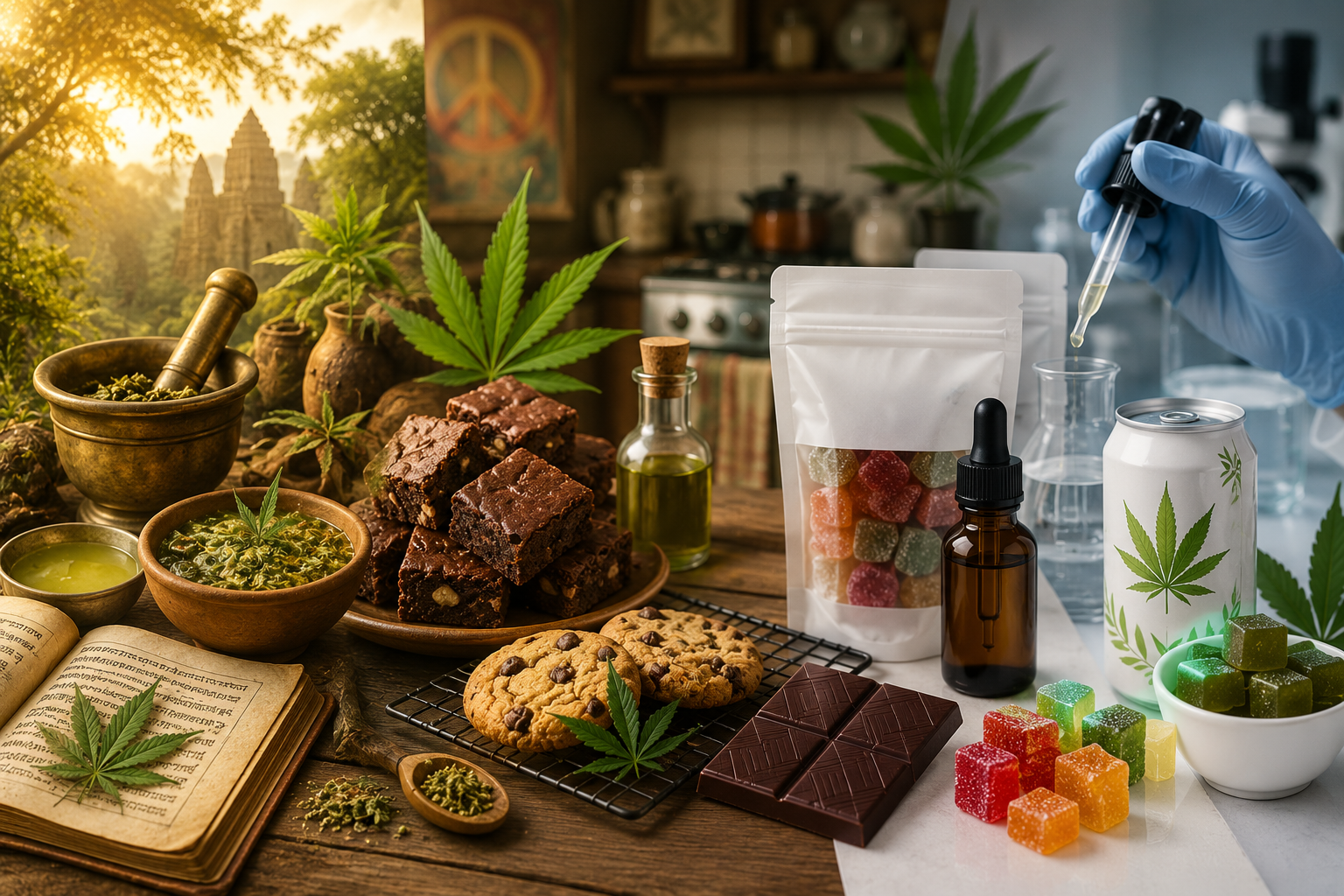
Long before there were any dispensaries, measuring guides, and packaging, cannabis was already being used in food and drink for medicinal or religious reasons. In ancient times in India and China, it was mixed with milk, butter, ghee, and various herbs, mostly as a medicine and not an intoxicant. Because there were no ways of measuring their potency, these edibles were inconsistent in their results.
In America, the history of cannabis edibles started making a new turn with the emergence of the hippie culture of the sixties and seventies. This was when homemade brownies and other sweets became common. However, only in the 2010s did cannabis edibles start getting some regulation. This means that now they have lab-tested, labeled, and childproof packaging.
How Cannabis Edibles Have Evolved Over Time
It took more time for the transition from amateur experimentation on a kitchen table to creating shelf-stable, tested products. Early edible products had their problems with dose inconsistency, delayed onset time, and insufficiently good flavors for hiding the taste of cannabis. It was important for manufacturers to figure out, sometimes through mistakes, how to distribute all active compounds in a product evenly.
That is precisely how the evolution of cannabis edibles took place due to the use of such technologies as emulsification and nanoemulsification, as well as lab testing. Today's changes are based on developments in these areas, allowing producers to ensure exact milligram potency.
What Are Some Different Types of Cannabis Edibles Available Today?
Today’s consumer has access to many different types of cannabis edibles. This is due to the varying methods of consumption, dietary restrictions, and preferred times to take effect.
- Gummies and chewables: because of their easy-to-measure dosage and longevity
- Confectionaries: for the ability to mask taste and the exact dose
- Beverages: to provide a quicker onset and a more drink-like experience
- Capsules and tinctures: for those who like to measure out the dosage of cannabis they take
- Cookies and baked treats: a timeless category of cannabis edibles
These different types of cannabis edibles demonstrate just how far this product type has evolved to include the consumer’s tastes and lifestyles.
What Makes Modern Cannabis Edibles Different from Earlier Ones?
Modern cannabis edibles are made using much more advanced formulation methods than earlier products. These days, manufacturers use water-soluble cannabinoids, rapid action mechanisms, and strict batch testing to guarantee that each piece corresponds to what it is labeled as. Such accuracy was out of reach for home bakers and dispensaries before the existence of any guidelines in this area.
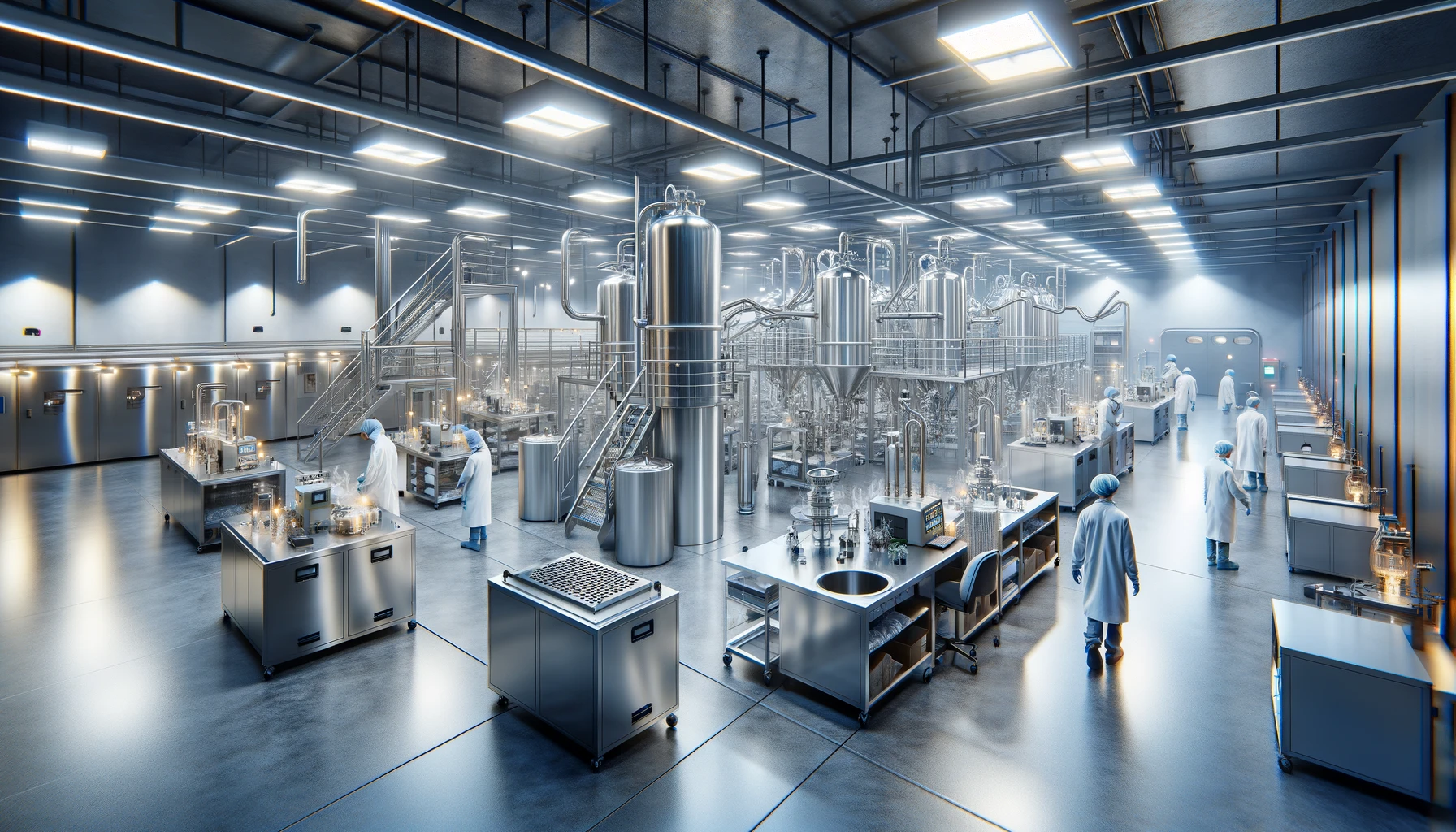
But behind such a shift, there is a complicated manufacturing process that many brands cannot handle by themselves. And here is when cannabis product formulation edibles in NY steps on the scene. The support of licensed professionals in dosing, ingredients selection, and shelf-life will help the manufacturer to get through the transition from a recipe used at home to a proper retail product.
Why Is Cannabis Product Formulation Important for Safety and Quality?
Formulation is not only about flavor. It decides the safety, reliability, and legality of a product. All of that can be done effectively only through proper coordination in recipes, testing, and packaging.
- Dosage precision: makes sure each piece is consistent with its advertised potency.
- Ingredient integrity: It prevents ingredient degradation and consequent changes to the product’s taste or effect.
- Compliance: It brings products in line with the state standards of testing and labeling.
- Management of shelf life maintains the freshness of cannabis edible products from manufacture to consumer
This is what proper cannabis product formulation in New York involves, and that is why brands choose to work within well-known networks of manufacturers.
What Must Consumers Understand Before They Try Edibles?
Novice users tend to be unaware of the drastic difference that edibles present from other forms of cannabis consumption. These few pointers will ensure that their first experience remains pleasant.
- Time to onset: effects may be felt within 30 mins to 2 hours
- Start at a low dosage: 2.5 to 5 mg should be enough for beginners
- Know what is on the label: make sure the product shows milligram amounts and recommended serving sizes before taking it
- Don’t combine with alcohol: this will have unpredictable results on the effects
These simple guidelines can help consumers understand edibles rationally as opposed to simply guessing, since this was not possible with the first forms of the product.
How Will Cannabis Edibles Keep Evolving In The Future?
The transformation of cannabis edibles is far from complete, with the new technologies being used to cut down on the time taken for the onset of their effect to 15 minutes and to minimize the strong bitter taste typical of these edibles due to new extraction processes. There is also a concern about sustainability, and the manufacturers try to come up with biodegradable packaging and more environmentally friendly ingredients.
Along with the development of modern cannabis edibles, there will be more types of cannabis edibles that will be designed for particular purposes like relaxation, sleep, or improved concentration.
The Road Ahead for Cannabis Edibles
Edibles are no longer simple home-baked items without exact measurement; they've become highly formulated and laboratory-tested products. This is because there are manufacturers who understand the importance of formulations and lab testing and are serious about creating quality products that meet standards.
The company Capital Region Co. is an example of a manufacturer that prioritizes formulations and lab testing in its products as it operates a woman-owned licensed cannabis company in New York.
Are you a brand hoping to launch a compliantly formulated edible product in New York? Explore partnering options with us today!
FAQs:
Why do cannabis edibles take more time to start working compared to smoking and vaping?
This is because edibles have to go through the digestion and liver processes first, before being absorbed into the bloodstream; hence the delay. It is also the reason behind the longer duration of the effects.
How does the manufacturer ensure uniform dosing of the entire batch of cannabis products (gummies, chocolates)?
It involves precise mixing of cannabinoids using specific emulsion processes prior to being cut up, followed by batch testing to verify the dose from licensed laboratories.
What is the main difference between the fast-acting and regular cannabis edibles?
Nanoemulsion processes are involved in the preparation of fast-acting edibles. Regular edibles involve normal fat-soluble absorption processes.
Is it possible for two different edibles with the same milligram to produce different results in the same person?
Yes, this is because metabolism, consumption, and the method of manufacturing of the edible all affect how the dosage affects you. This means that one can start by consuming a small amount of the product despite being familiar with the milligram content of the product.
Why are some edibles that contain cannabis refrigerated while others are not?
This is because of the ingredients in the edibles, such as dairy, fruits, and certain types of chocolates, which require refrigeration.
%20copy.png)




.jpeg)

.png)
.png)

.png)

.png)
.png)
.png)
.png)
.png)


