
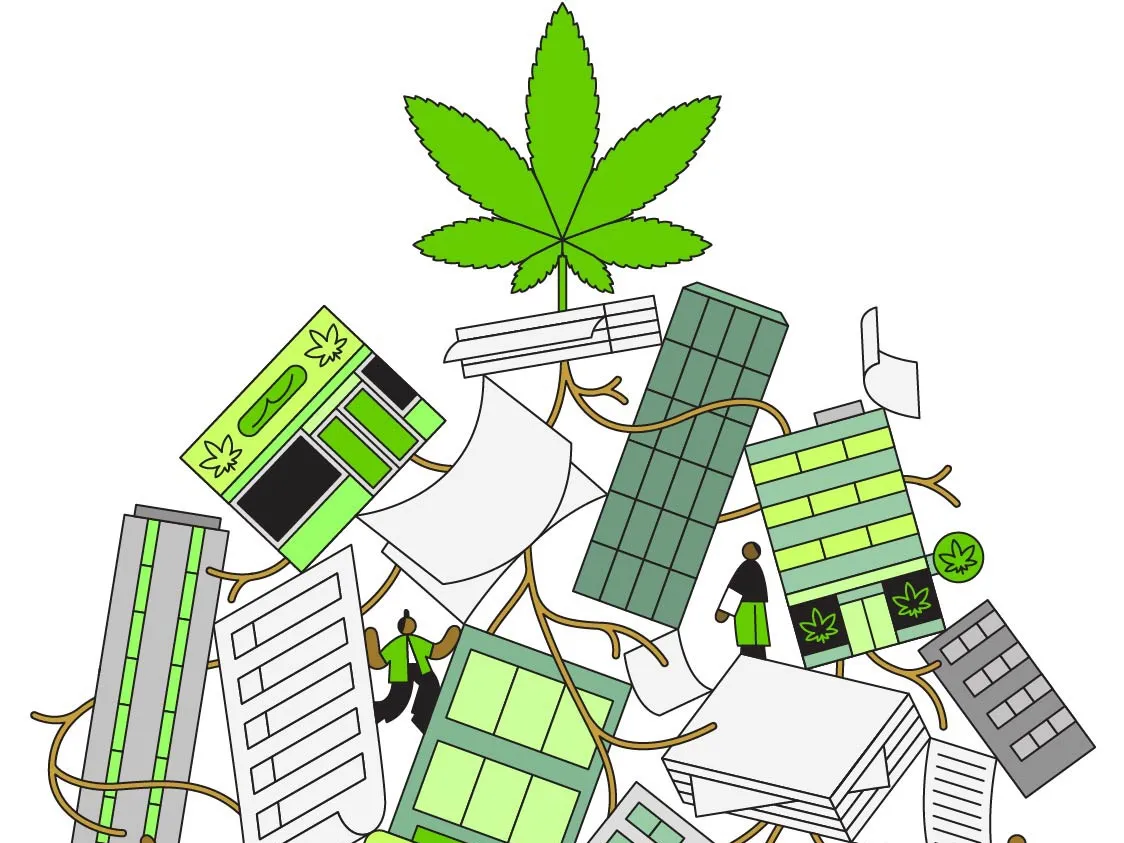
The success of the cannabis business depends on how well the supply chain moves the cannabis product from seed to shelf. Efficient cannabis supply chain management ensures the legality of operations, reduces waste, and maintains the shelf with fresh products that have been thoroughly tested. So what is cannabis supply chain management?
It is an integrated approach to sourcing, production, storage, and transportation of the cannabis product with regard to state regulations at each stage of the process. Capital Region Co implements this concept in New York, coordinating cultivation, production, and distribution, which makes it a reliable cannabis supply chain partner in New York.
What Does Cannabis Supply Chain Management Really Mean?
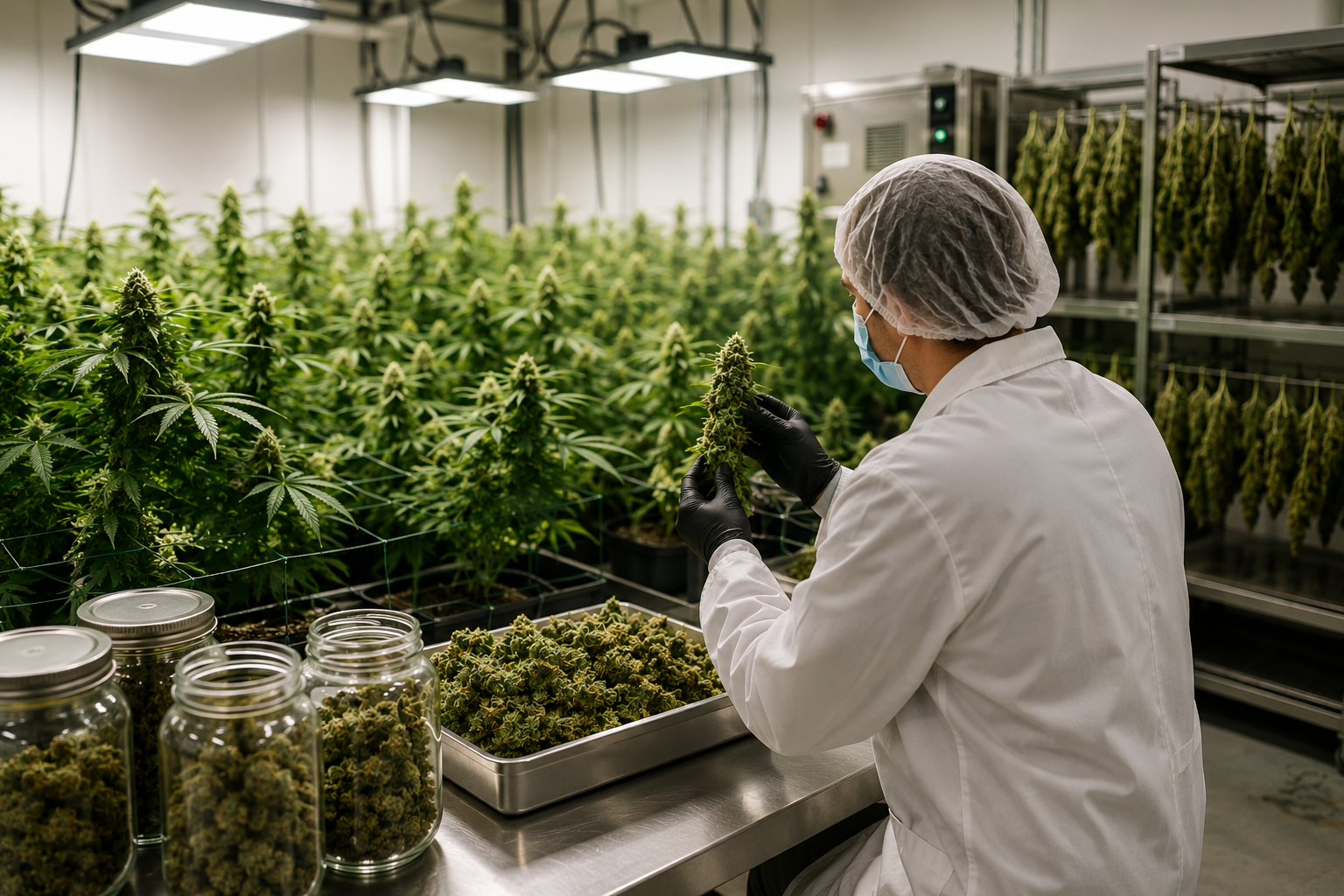
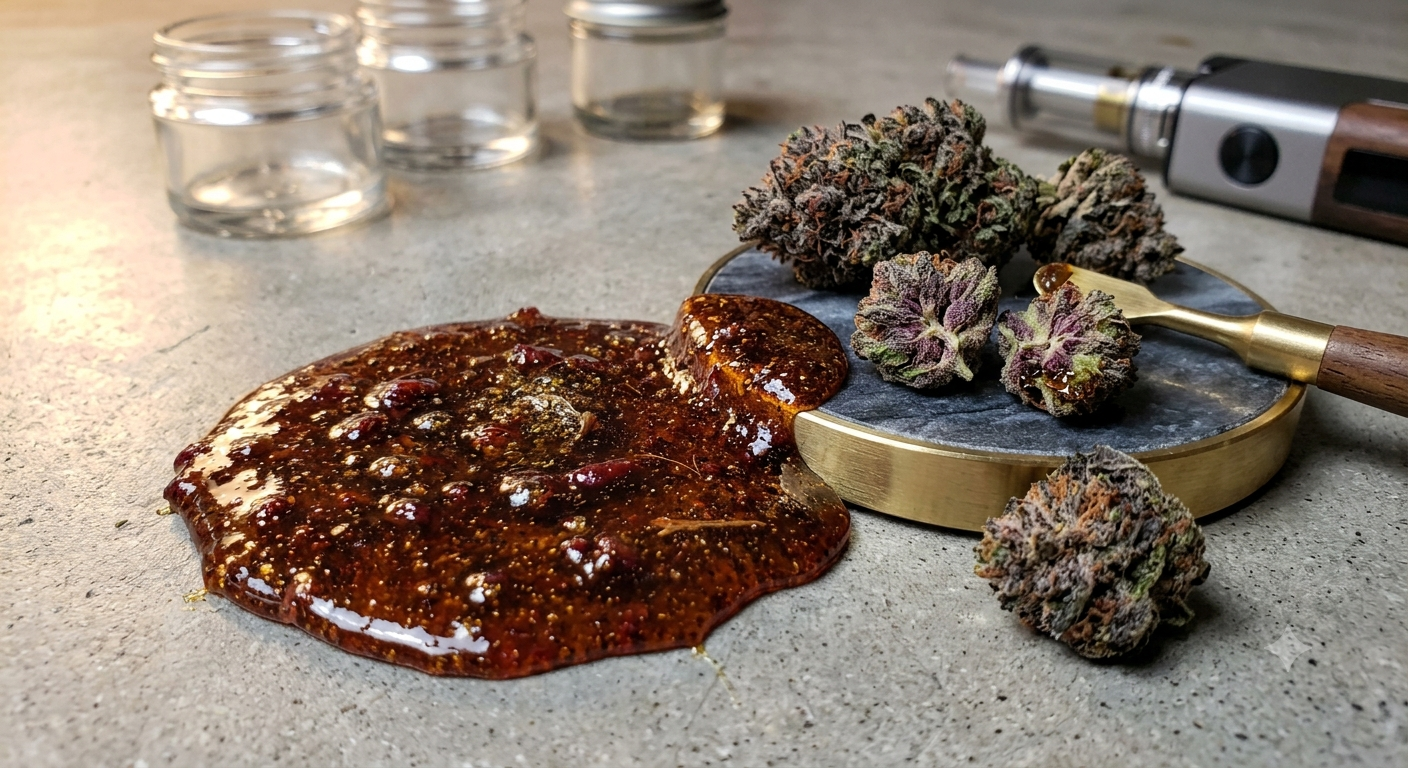
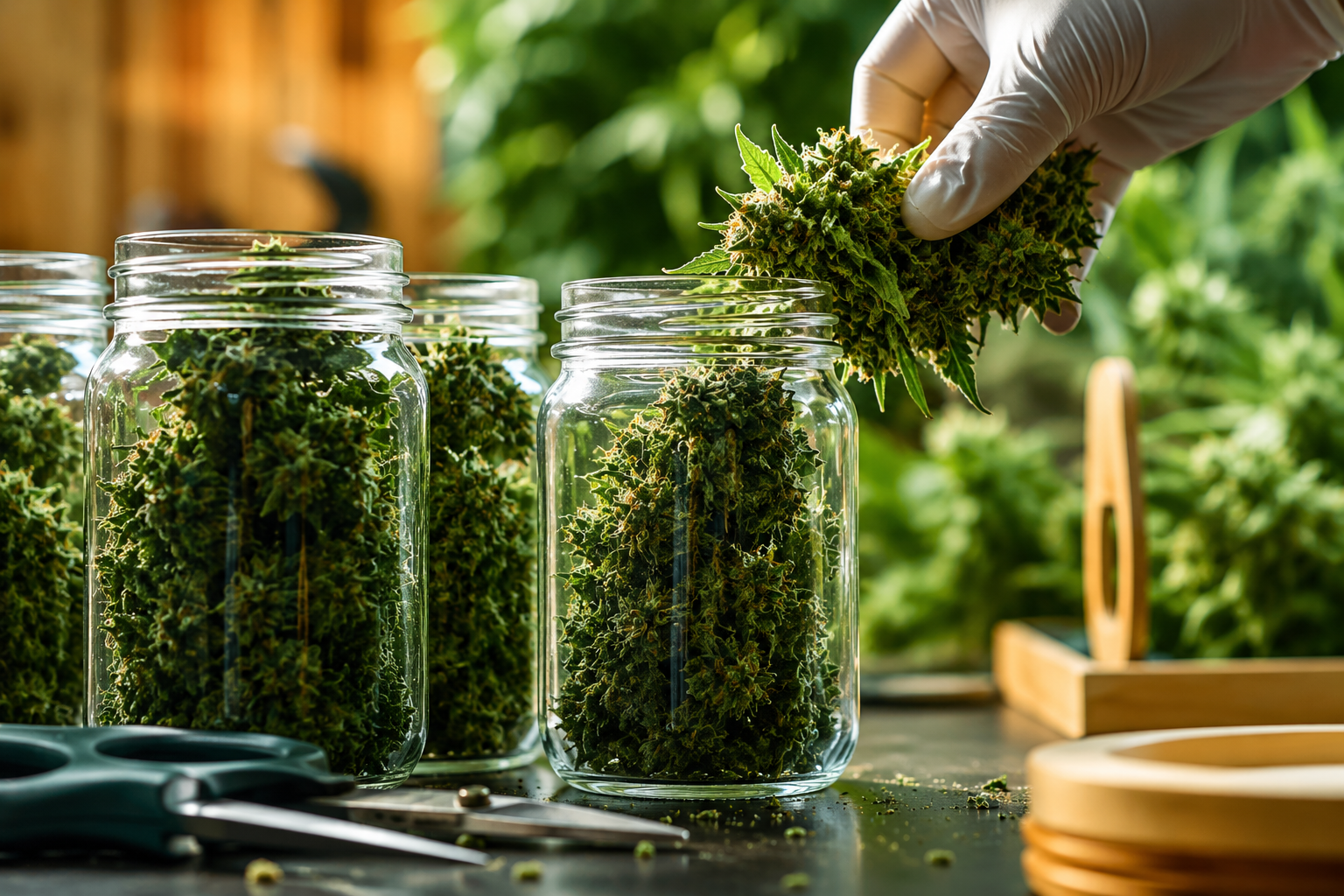
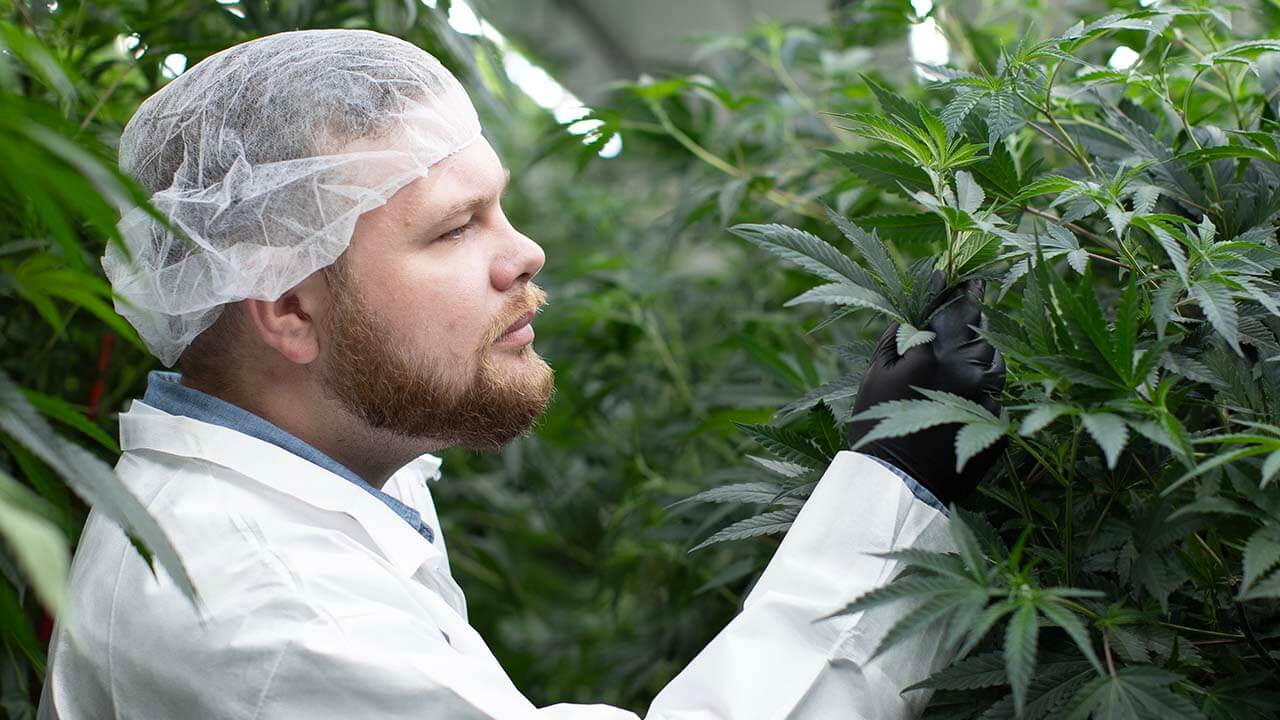
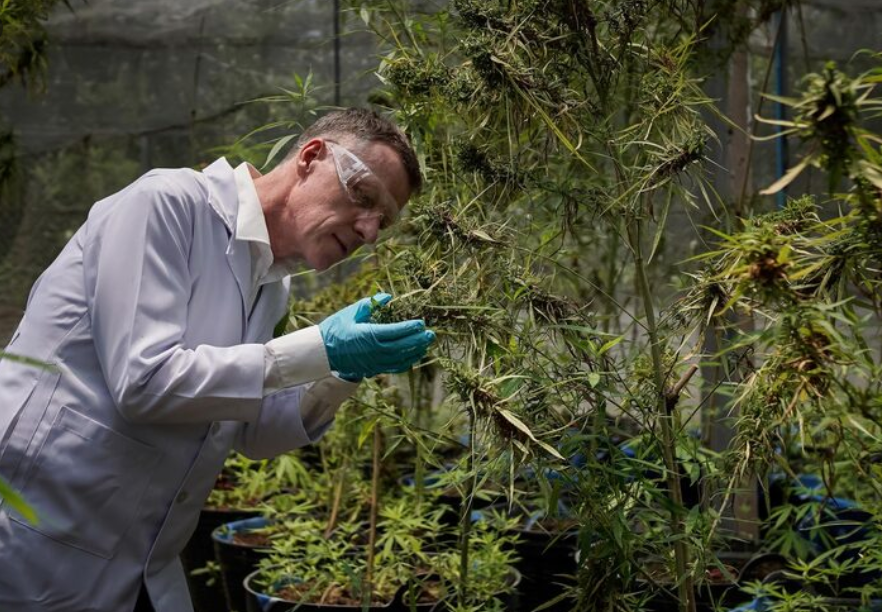
When you want to know about the supply chain management of cannabis, you first have to consider the number of hands that touch a cannabis product from the time it is grown until it reaches its end consumer. The cannabis cultivation process involves growing and harvesting; the processing stage involves creating flower, edibles, or extracts; and then there is the packing stage. All of these processes are to be accounted for according to the New York seed-to-sale tracking program, and failure to do so means compliance issues or costly product holds.
In effect, a good cannabis supply chain management process involves putting all of these stages together in a single trackable process rather than treating them as individual components.
Why Is Supply Chain Management Critical for Cannabis?
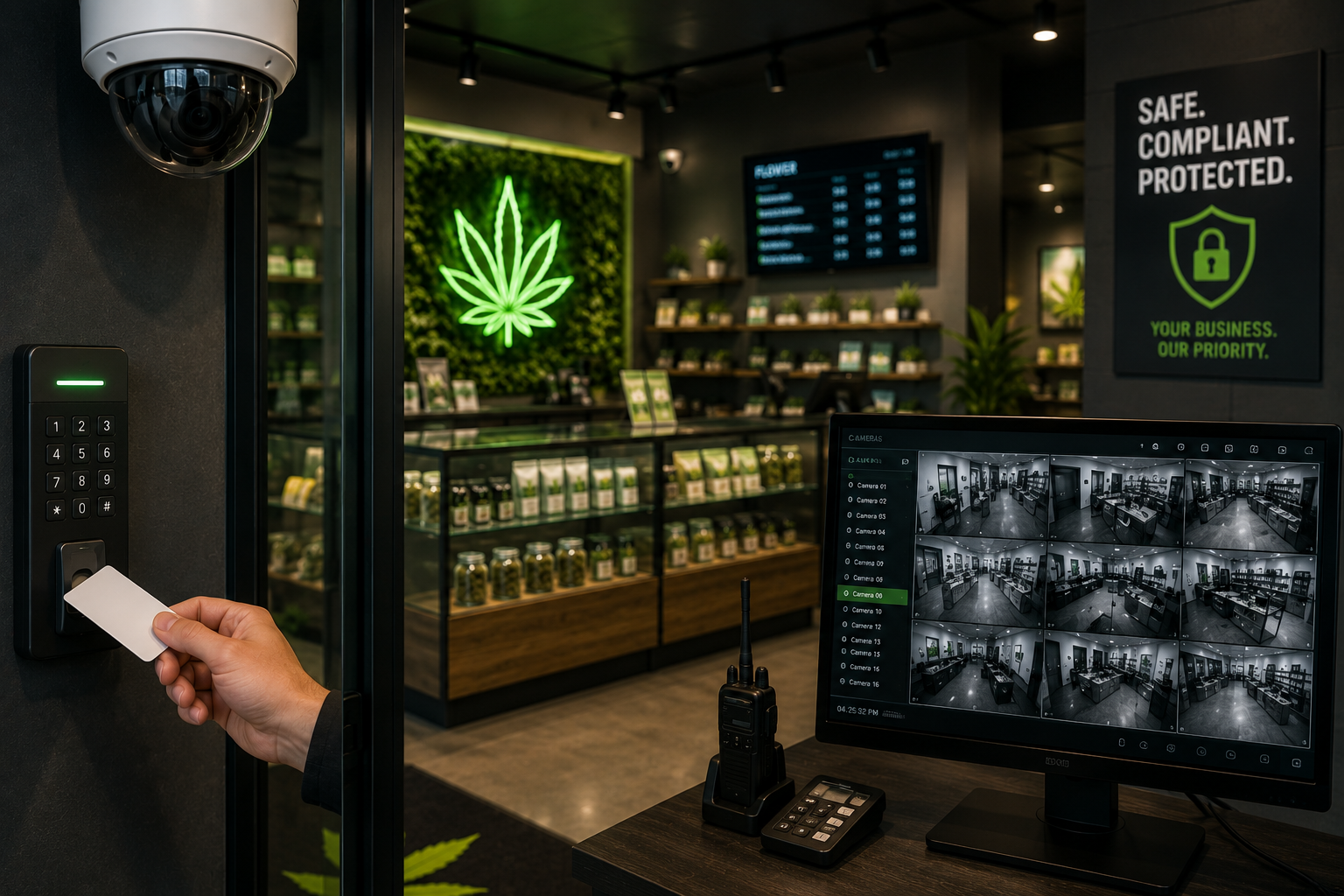
The cannabis industry is one of the most regulated industries in the nation, and all parties involved have to make sure they adhere to all the regulations. For example, a failed lab test, inaccurate packaging, or any other issue may result in the removal of a whole batch from shelves. Companies that take care of supply chain management do not experience such issues and, thus, develop a reputation that attracts retail customers.
However, the importance of supply chain management does not end here since the efficiency of its operation has a direct influence on financial results. Namely, cannabis is a highly perishable product, and, therefore, all delays associated with its transportation lead to losses.
How Does Cannabis Logistics Ensure Safe Transport?
In cannabis logistics, everything that concerns the transportation of products from the cultivation facility to the shelves of dispensaries is included, and New York handles this process just as seriously as transporting medications. Every single transport must be accompanied by a manifest, a licensed vehicle, and a chain of custody that regulators can trace anytime.
Efficient logistics planning includes:
- Planning transport schedule according to the laboratory test timeline to ensure no delays related to clearance.
- Providing climate-controlled transport vehicles to ensure that flowers, edibles, and vape products are protected from temperature changes.
- Planning manifest documentation before the pickup to eliminate possible delays at the retail dock.
- Including buffer time into the delivery windows to prevent cascading delays at the retail level.
Why Is Cannabis Inventory Management Important to Comply with Regulations?
The inventory management of cannabis is one of the core aspects of the seed-to-sale program in New York State. All plants, packages, and individual units of the products have to be documented in the state's Metrc system starting from the point when the items are harvested to the point when they are sold or disposed of. The failure to document inventory on time can result in audits or loss of a license.
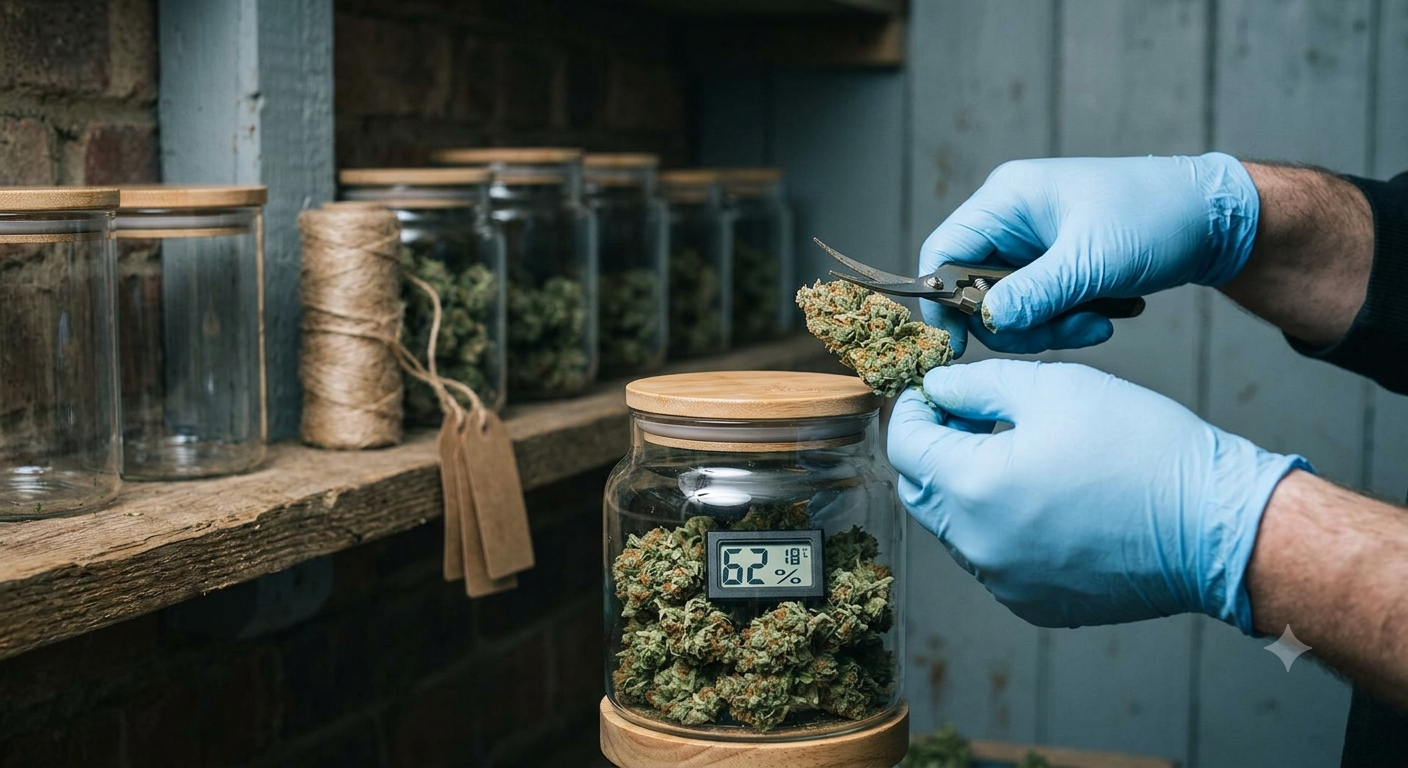
The right cannabis inventory management also helps to avoid minor mistakes that eat up the profits. The overstocking of the flower means that it will deteriorate before being sold; the understocking means that people will go to your competitor; and unaccounted-for losses mean that it is difficult to detect theft or shrinkage.
What Is the Role of Cannabis Distribution in the Success of a Brand?
The cannabis distribution channels determine whether a fantastic product actually makes its way into the hands of the consumer. Since distribution in New York requires licensed distributors who take care of transport, storage, and delivery to dispensaries, a brand must plan for its distribution process well in advance of when the product will be ready to sell.
Good distribution planning usually includes:
- Ensuring that the product is ready for retail, including proper labeling and packaging and the lab results.
- Synchronizing production and distribution plans to ensure that products don't pile up in the warehouses.
- Territory mapping, which ensures that products make their way to the right dispensaries in the right territories.
- Maintaining good communications with the distributors to ensure that there are no delivery problems.
How Supply Chain Optimization Will Improve Your Cannabis Business Operations
Each element of the supply chain will eventually feed back into your cannabis business operations as a whole. Cultivation problems lead to manufacturing delays, manufacturing delays lead to distribution delays, and distribution delays lead to financial losses. By seeing these processes as connected, not as separate, you can grow without having to deal with endless fire drills.
If you're looking to make your cannabis business better, you'll likely need to do a few things:
- Consolidate information among cultivation, processing, and distribution so that people aren't working off of old numbers.
- Establish connections with licensed companies that know the compliance requirements in New York.
- Monitor your supply chain performance regularly, rather than only when there's a problem.
- Educate your staff across all departments, ensuring that compliance isn't left with just one person.
Not only do these steps avoid trouble; they give you more time and energy to spend on your product and growth.
Creating a Long-lasting Cannabis Enterprise
In the cannabis industry, knowing what cannabis supply chain management is not an insignificant question that can be ignored; it forms the basis for other processes. Companies that value this aspect of business make sure that their operations are compliant and guarantee the quality of products and cooperation with reliable retailers and customers.
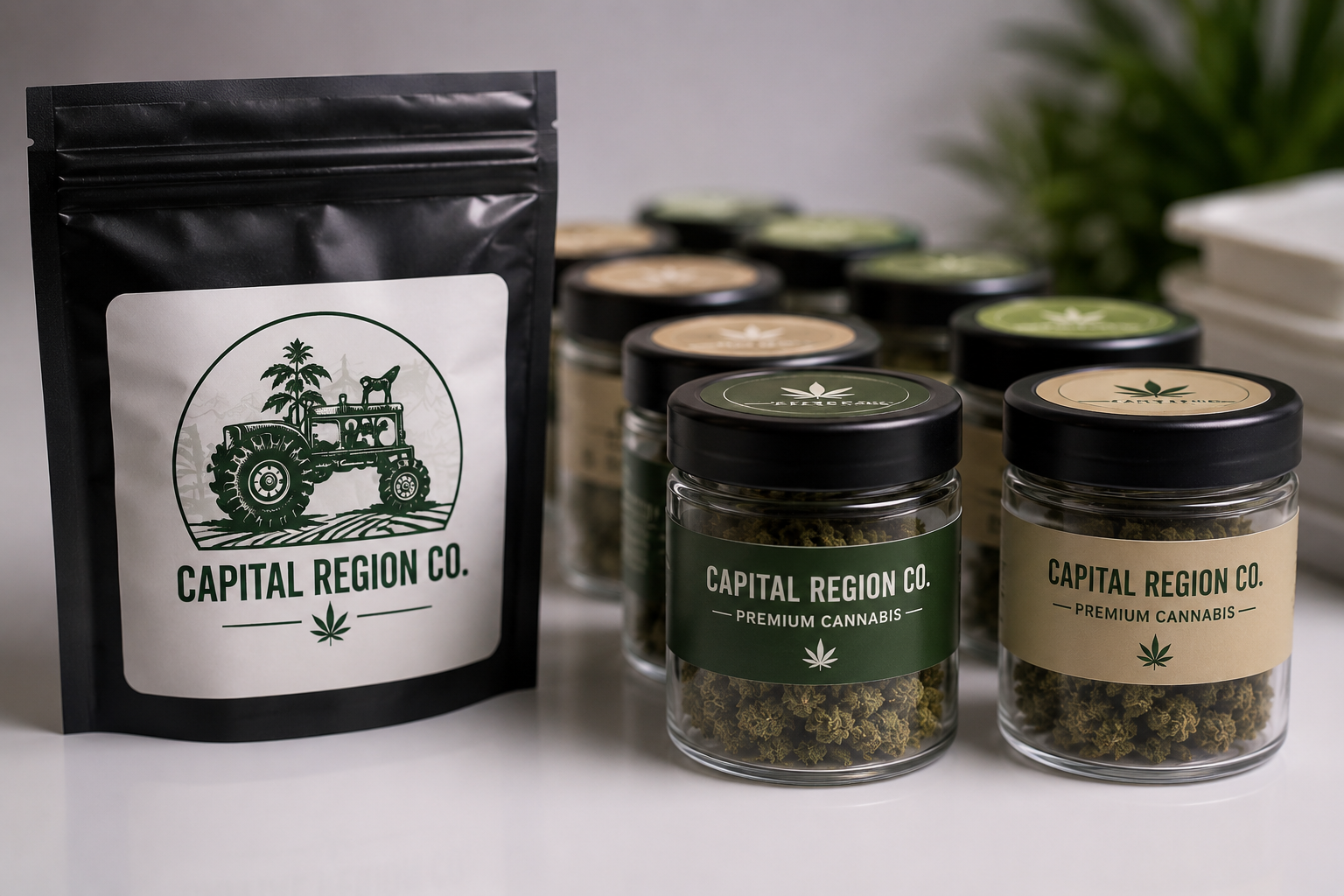
One of the examples of such enterprises that works with supply chains is Capital Region Co., which is located in New York and works with the production, manufacturing, and distribution of cannabis products within a single network. The brands created by us, Revert and Golden Garden, show the results of successful management of the supply chain.
Are you interested in building a strong cannabis supply chain? Contact us today for potential collaboration!
FAQs:
What impact does the Metrc system in New York have on the tracking of cannabis inventory on a daily basis?
Metrc demands that every plant and product be documented from harvest to delivery, meaning that updates must take place daily in order to maintain an accurate record of the inventory.
What happens if a cannabis product fails lab testing after distribution is already scheduled?
Depending on the type of failure, the batch will be destroyed or held; therefore, cannabis companies should consider such a situation in their supply chain and develop plans accordingly.
Why is it not possible for a cannabis company to distribute its products entirely in-house in New York?
Because state law mandates the use of licensed distributors who will ensure that the finished products are delivered, cannabis companies will need to partner with these companies for distribution purposes.
How frequently does a cannabis company need to evaluate its supply chain performance?
Frequent evaluations will help to identify any potential bottlenecks that could result in non-compliance or missed deadlines before becoming an issue.
What is the most common supply chain mistake made by emerging cannabis brands?
Most of the emerging cannabis brands have a tendency to underestimate the interrelated nature of the cultivation, manufacturing, and distribution timeline, which means that a single delay can throw off the whole schedule.

















.jpeg)

.png)
.png)

.png)

.png)
.png)
.png)
.png)
.png)


