
The New York cannabis industry has shown that brands that work with precision succeed. Technology is the key here. Smart business owners use advanced technology to be faster than their competitors, who have to rely on traditional pen-and-paper documentation. The cannabis technology in New York is making things happen for those who use it.
Companies like Capital Region Co. show how licensed infrastructure and modern tools work together to build trusted brands. From cultivation through distribution, we prove that technology and quality can grow side by side across the state.
How Does Seed-to-Sale Tracking Strengthen Compliance?
All cannabis products within the State of New York must be able to be tracked from planting through to sale. This is when seed-to-sale tracking becomes necessary as opposed to just being an option. Tracking systems such as Metrc record each plant, batch, and packaging, providing common ground for both regulators and operators, eliminating disputes, and minimizing the time spent during audits.
This tracking system helps growers and processors not only meet the state mandate but also document the history, thereby protecting their brand in case of quality issues with any of the products.
Seed-to-sale systems typically help operators with:
- Recording plant counts, harvest weights, and transfer records automatically
- Flagging discrepancies before they turn into compliance violations
- Reducing manual paperwork that slows down licensing renewals
- Giving lab-testing partners direct access to batch-level data
Why Are Cannabis POS Systems Essential for Retail Success?
A dispensary's checkout counter is where compliance, customer experience, and sales data all meet. Modern cannabis POS systems verify ID, apply the correct tax rates, and sync directly with state tracking software so every transaction is logged without extra manual entry.
That same checkout technology is really just one piece of a much bigger investment dispensaries are making. Store owners across the state are putting real budget behind cannabis retail technology as a whole, because a smoother front-of-house experience directly translates into shorter lines and stronger repeat visits.
How Does Cannabis Data Analytics Guide Smarter Decisions?
Numbers tell a story that instinct alone cannot. Cannabis data analytics takes raw sales, inventory, and customer information. It turns it into patterns a business can actually act on, whether that means adjusting pricing or planning the next product drop.
Retailers and manufacturers who read this data consistently tend to avoid the two most common mistakes in a young market: overstocking slow-moving inventory and understocking their bestsellers. Analytics also reveals which customer segments respond to loyalty programs, which helps brands spend marketing dollars where they actually convert.
Data analytics platforms commonly support operators by:
- Highlighting seasonal demand shifts for specific product categories
- Comparing performance across multiple dispensary locations
- Predicting reorder timing based on historical sales velocity
- Identifying which price points maximize both volume and margin
What Makes Cannabis Compliance a Growth Advantage, Not Just a Rule?
Many new operators treat cannabis compliance as a box to check before opening day. That mindset misses the bigger picture. In a state where the Office of Cannabis Management actively audits licensed businesses, consistent compliance becomes a form of risk management that protects the entire investment.
Firms that design their processes to include compliance at all times, and not only when preparing for an inspection, would be able to concentrate more on business growth and less on firefighting. This is particularly true for manufacturing firms dealing with packaging and labeling.
How Is the Cannabis Supply Chain Becoming More Transparent?
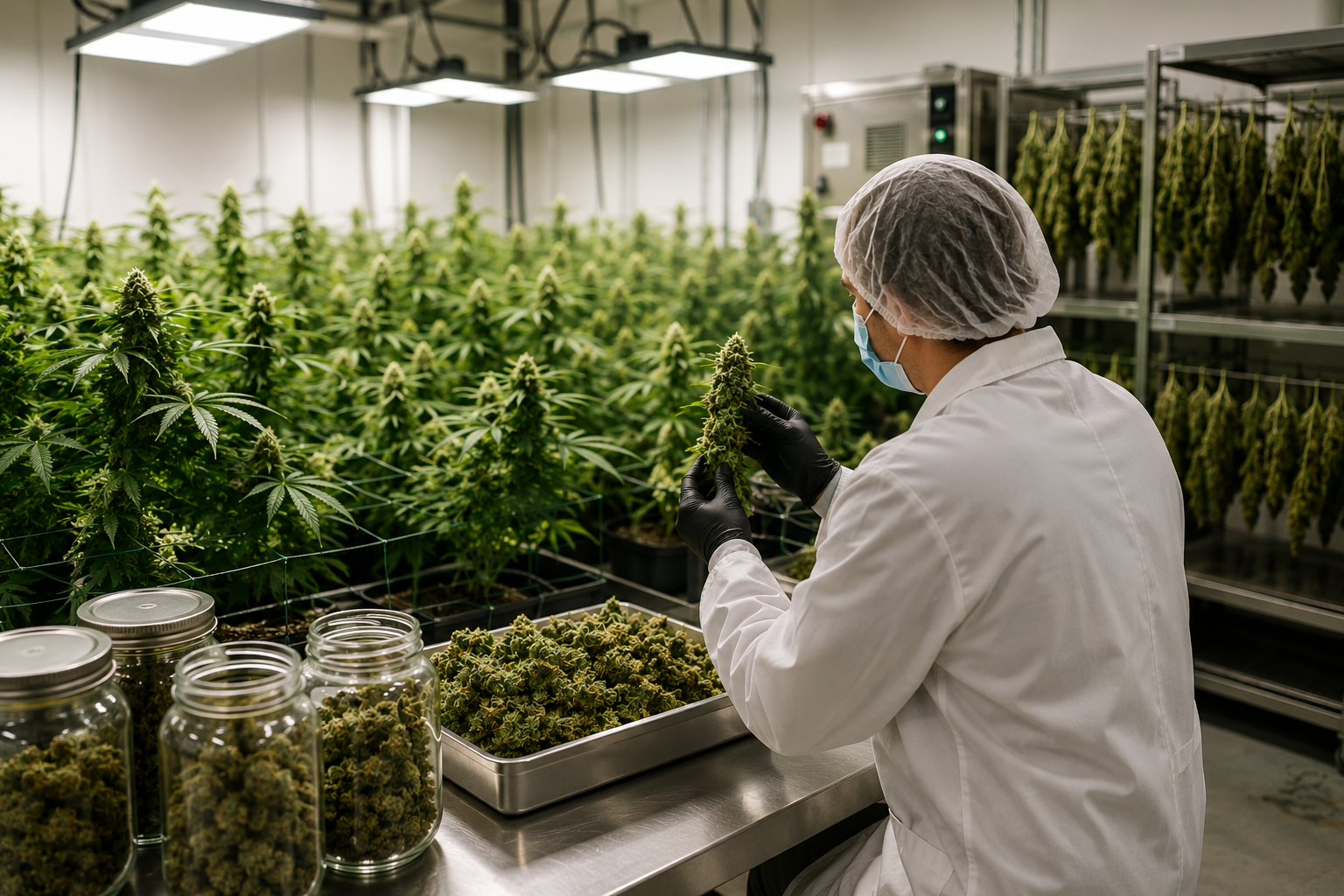
Getting a product from a cultivation facility to a dispensary shelf involves more steps than most customers realize. The cannabis supply chain in New York includes growing, processing, packaging, lab testing, and distribution, and each handoff needs to be documented for the product to remain legally sellable.
Technology has made this chain far more transparent than it was even two years ago. A licensed cannabis manufacturer in New York can now share real-time production data with retail partners, which shortens the time between harvest and shelf availability and reduces guesswork on both sides of the transaction.
What Does Cannabis Retail Technology Look Like Inside Dispensaries?
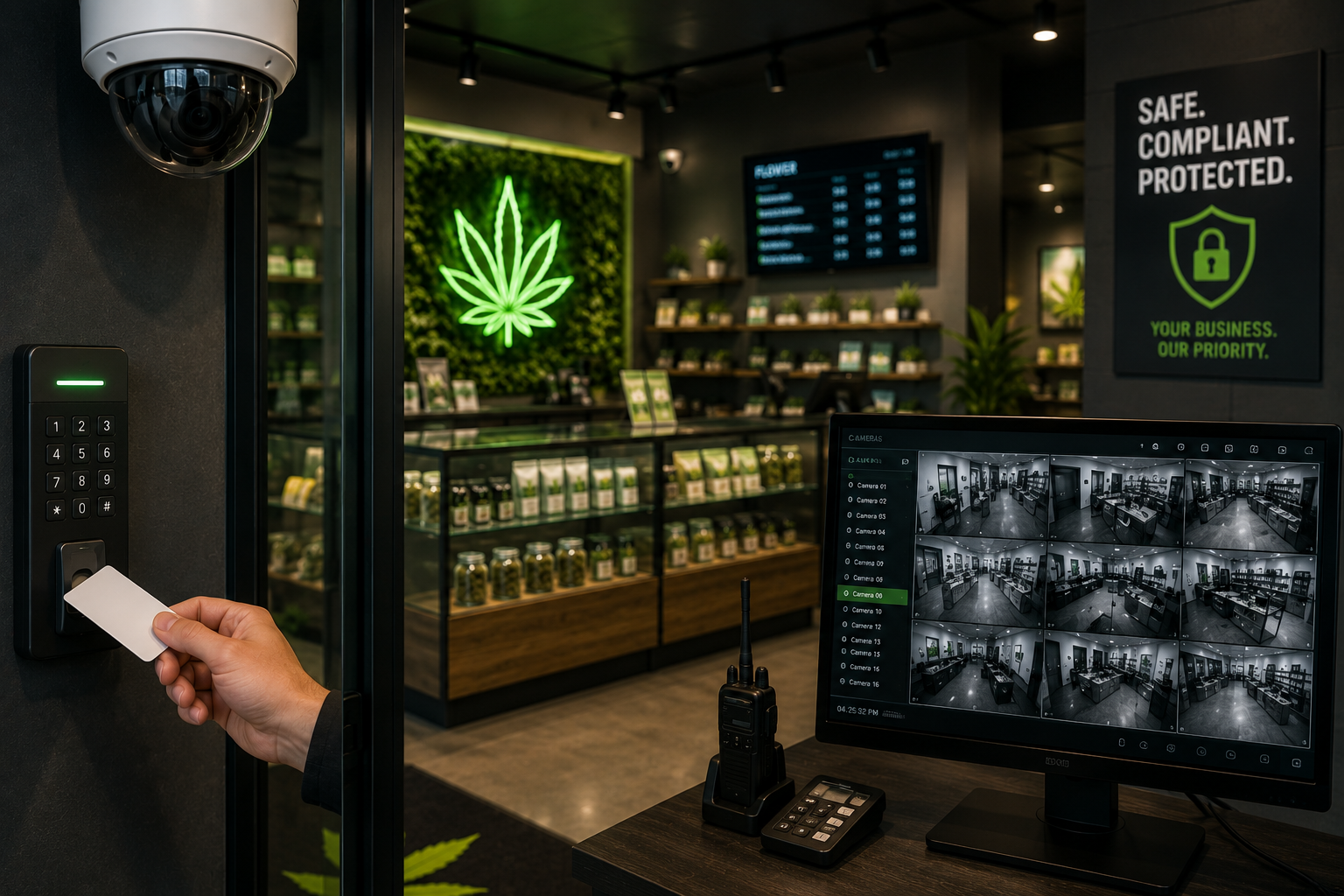
Walk into a well-run New York dispensary today, and the technology is easy to spot, even if customers don't always notice it directly. Digital menus, age-verification kiosks, and mobile checkout tools are designed to make the shopping experience faster without cutting corners on compliance.
This same in-store technology also feeds data back up the chain, giving suppliers a clearer read on what's moving so the broader cannabis supply chain stays balanced instead of guessing at demand months in advance.
As New York's legal market matures, the dispensaries paying closest attention to this layer of technology are the ones building the most consistent customer bases.
Retail floors increasingly rely on:
- Digital displays showing lab results and terpene profiles
- Mobile checkout tools that reduce line congestion during peak hours
- Loyalty apps that track purchase history and reward repeat customers
- Inventory sync tools that prevent selling out-of-stock products
Growing New York's Cannabis Future, One System at a Time
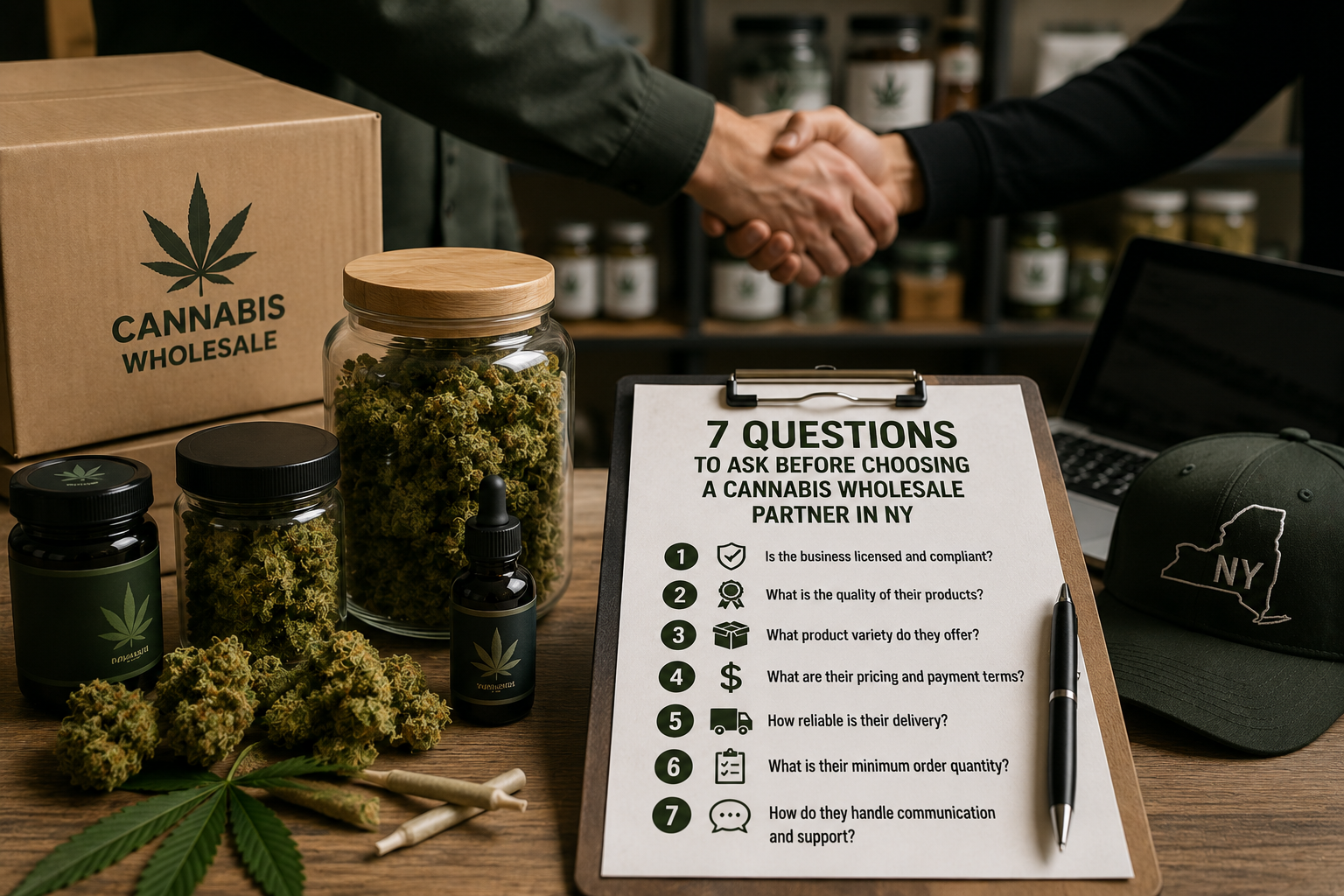
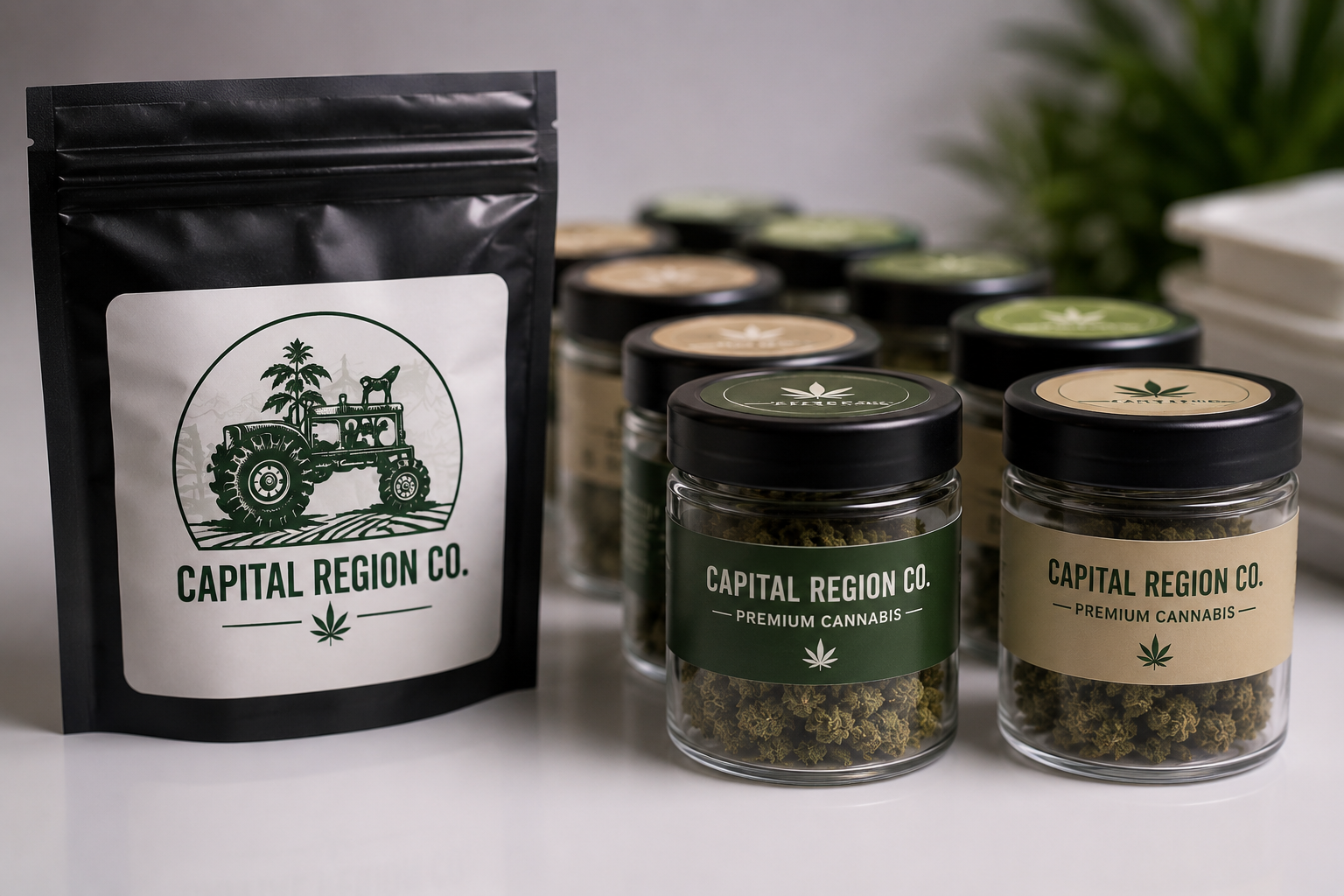
None of this technology means much without a partner who understands how to source it. Retailers looking for consistent, well-documented wholesale cannabis in New York need a supplier who treats compliance and quality as inseparable, and that's exactly the reputation Capital Region Co. has built through our licensed cultivation and manufacturing operations.
Technology alone doesn't build a trusted cannabis brand. Still, it gives smart operators the structure to grow responsibly, and that's the real story behind cannabis technology in New York right now. Capital Region Co. pairs that operational discipline with two homegrown brands, Revert and Golden Garden, giving partners a manufacturer that already speaks the language of compliance-first growth.
Reach out to us today to see how a technology-forward, New York-rooted cannabis partner can support your next move.
FAQs:
What's the difference between seed-to-sale tracking and a regular inventory system?
A regular inventory system tracks stock levels for a single business. At the same time, seed-to-sale tracking follows a plant through every legal stage, from cultivation to final sale, and reports that data directly to state regulators. This makes it a compliance tool first and an inventory tool second.
Is it possible for a small dispensary to afford a cannabis point-of-sale system on a low budget?
In most cases, POS providers charge according to the transaction rate, which means that smaller dispensaries will pay less for the basic compliance functionality compared to larger chains. Usually, the higher risk will be caused by the lack of a POS system, because errors in manual entry will lead to compliance fines, which cost more than the system itself.
How frequently should cannabis businesses perform their data analytics reports?
The weekly analysis is good for finding fast-changing trends, such as a sharp increase in one product category. On the other hand, monthly analysis is better when you need to make an important decision regarding wholesale purchasing or renegotiation with the supplier.
What happens if a licensed operator falls behind on compliance recordkeeping?
Falling behind can trigger anything from a formal warning to a suspended license, depending on how the Office of Cannabis Management classifies the violation. Operators who catch gaps early and self-correct generally face far lighter consequences than those flagged during a surprise audit.
Why would a dispensary choose to work with a specific cannabis manufacturer instead of buying from multiple sources?
Collaborating with one proven supplier can guarantee the reliability of the product, as well as the consistency of deliveries, and can make documenting simpler since the batches have only one history. In addition, it makes negotiations for wholesaling simpler since there exists a level of trust that has been developed over time.


















.jpeg)





.png)
.png)

.png)

.png)
.png)
.png)
.png)
.png)


