
New York requires every licensed cannabis business to track plants and products through a regulated state system. According to the New York Office of Cannabis Management, license holders must record inventory and product movement in an state approved tracking platform to protect consumers and maintain oversight. Because of this rule, seed to sale cannabis NY tracking is not optional. It is a basic requirement for brands and retailers that want to operate safely and legally.
This guide explains how the tracking structure works in everyday operations. It also explains what METRC New York expects from businesses and how careful planning supports reliable compliance. Clear systems and steady communication help companies manage reporting without confusion.
What Seed-to-Sale Tracking Means in New York
Seed-to-sale tracking is a structured process that records cannabis from cultivation to final purchase. It follows planting, harvesting, processing, packaging, distribution, and retail sale inside a cannabis tracking system. Each step must be entered correctly so regulators can see a full record of product movement.
In New York, the process applies to cultivators, processors, distributors, and retailers. Every licensed operator must report inventory activity as it happens. Because of this structure, the seed to sale cannabis NY framework creates a clear record that connects each product to its source. This method helps prevent diversion and improves accountability.
Since the entire supply chain uses one reporting structure, cooperation is necessary. Brands and retailers must share accurate information so records stay complete. When communication is organized, businesses avoid gaps that could cause compliance problems.
Understanding METRC New York
METRC is the official cannabis tracking system used by New York State. It provides a secure digital platform that records plant growth, packaging steps, and retail sales. The system uses serialized identification tags that link physical inventory with digital records.
METRC New York requires businesses to create approved user accounts and complete onboarding training. After setup, operators must enter inventory actions every day. These actions include transfers, packaging events, and adjustments. The platform also offers reporting tools that help companies monitor stock levels and compliance status.
Careful use of METRC protects a company license. When records are missing or inaccurate, regulators may respond with warnings or penalties. For this reason, businesses should treat the system as part of daily operations instead of a secondary task.
Compliance Duties for Cannabis Businesses
To follow seed to sale cannabis NY rules, operators must complete several important responsibilities. These duties apply to both production sites and retail locations.
First, onboarding and credentialing are required. Each company must register with METRC and assign trained administrators. Employees who manage inventory must understand reporting steps and internal controls.
Second, real time inventory reporting is mandatory. Cultivation activity, packaging steps, and sales must be recorded without delay. Consistent reporting keeps digital records aligned with physical inventory.
Third, tagging rules must be followed carefully. Plants receive identification tags during cultivation. Finished products receive package tags before distribution. Retailers must scan items during intake and sale to maintain traceability.
Finally, system integration improves accuracy. Many companies connect internal inventory software with METRC to reduce manual entry mistakes. Reliable integration supports smoother workflows and steady compliance.
Operational Changes for Brands and Retailers
A regulated cannabis tracking system requires practical workflow changes. These adjustments affect both production teams and retail staff.
For cultivators and processors, organized documentation is essential. Teams must record plant batches, harvest yields, and packaging details in a consistent way. Accurate entries prevent reporting gaps. Facilities should also review records regularly to confirm accuracy.
Retailers manage different responsibilities. Incoming shipments must match transfer records exactly. Sales systems should connect with METRC so transactions update automatically. Frequent stock checks help confirm that digital and physical counts remain consistent.
Although these changes require preparation, they improve discipline and organization. Over time, structured reporting reduces compliance risk and supports stable growth.
Best Practices for Reliable Compliance
Strong compliance depends on planning and accountability. Businesses can improve performance by following practical strategies.
- Assign a trained compliance manager to supervise METRC activity
- Provide routine staff training so procedures remain consistent
- Use software that connects directly with the cannabis tracking system
- Schedule audits to compare records with physical inventory
- Monitor regulatory updates and adjust procedures when needed
These practices support stable operations and prepare companies for inspections or reviews.
The Value of Strategic Partnerships
Regulatory systems can create pressure for growing businesses. Because of this, cooperation with experienced partners reduces operational strain. Strong cannabis retail partnerships NY allow brands and retailers to share resources and coordinate compliance tasks.
Partnerships may provide reporting support, distribution coordination, and operational guidance. When businesses work together, they align procedures and maintain accurate documentation across the supply chain.
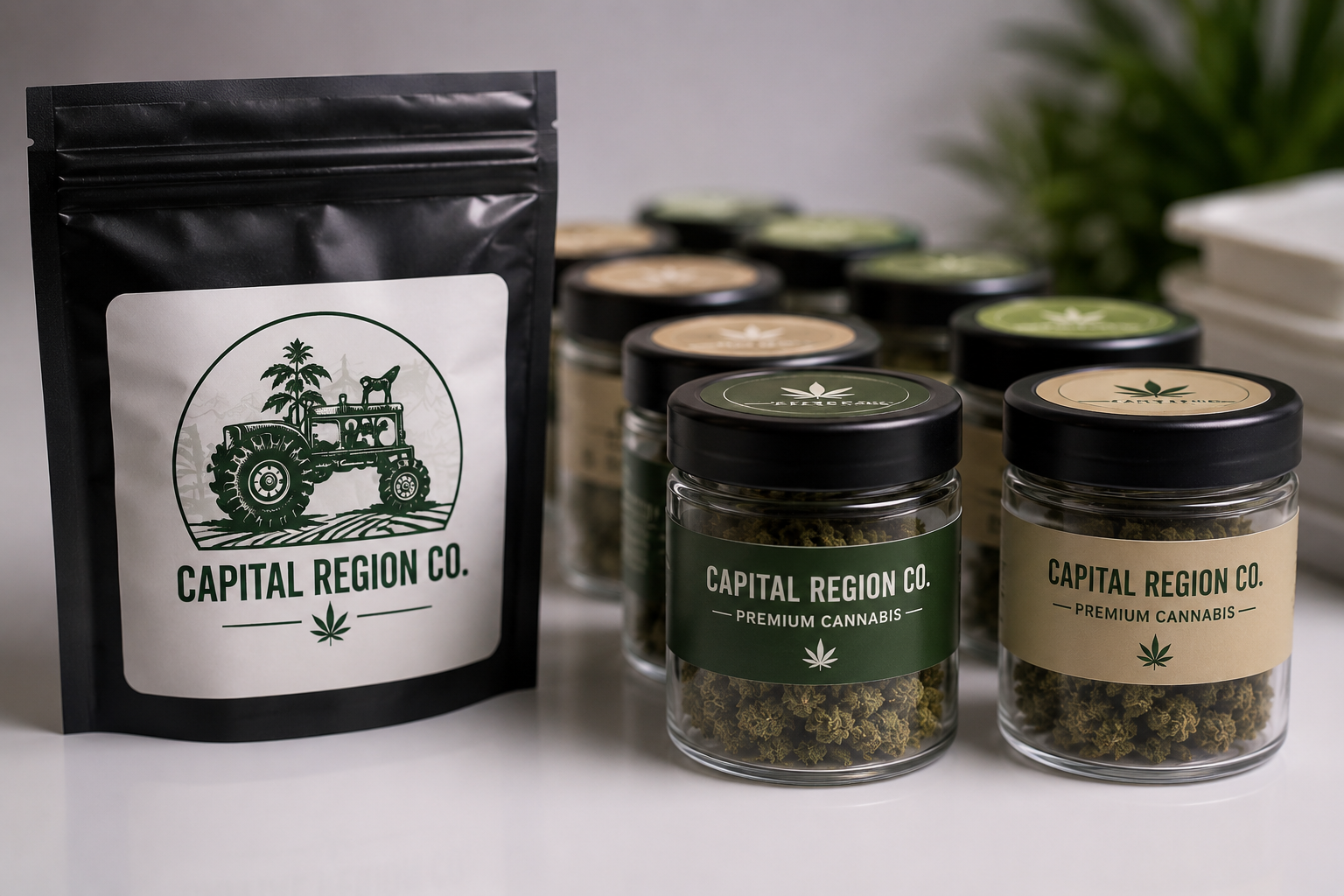
At Capital Region Co., we support partners by building systems that match regulatory standards and operational needs. Our focus remains on reliability, transparency, and steady growth. Through industry experience and organized planning, Capital Region Co. helps partners manage compliance while expanding their reach. Capital Region Co. continues to invest in solutions that simplify reporting and strengthen efficiency.
Conclusion
Seed-to-sale tracking is a permanent requirement in New York cannabis operations. Every licensed business must understand seed to sale cannabis NY reporting and follow METRC New York standards. Accurate documentation protects licenses, improves accountability, and builds consumer confidence.
When companies adopt disciplined workflows, train staff carefully, and develop dependable partnerships, compliance becomes easier to manage. Capital Region Co. remains committed to supporting partners through structured systems and reliable operational guidance.
Frequently Asked Questions
1. What is seed-to-sale cannabis tracking in New York and why is it required
Seed-to-sale tracking is a regulatory system that records every stage of cannabis production and sale. It connects cultivation, processing, distribution, and retail transactions within a single digital framework. New York requires this system to maintain transparency and prevent illegal diversion. By documenting each step, regulators confirm that products move legally through the supply chain. This record also protects businesses by creating a clear history of inventory.
2. Who must use METRC New York
All licensed cannabis operators in New York must use METRC. This group includes cultivators, processors, distributors, and retailers. Each business must complete onboarding and assign trained users who manage reporting. Proper credentialing ensures that records follow state standards. Without approved accounts, companies cannot meet compliance duties.
3. How does a cannabis tracking system improve compliance
A cannabis tracking system creates a continuous record that mirrors physical inventory. When businesses enter actions in real time, discrepancies are easier to detect and correct. The system also generates reports that support inspections and audits. Because of this visibility, accurate tracking lowers the chance of penalties and operational interruptions.
4. What happens if reporting is inaccurate
Inaccurate reporting may result in warnings, fines, or temporary suspension of operations. Differences between digital records and physical inventory can trigger investigations. For this reason, companies should review entries often and correct errors quickly. Careful record management protects licenses and prevents disruption.
5. How do cannabis retail partnerships NY support compliance
Retail partnerships allow businesses to share operational knowledge and compliance resources. Partners coordinate reporting methods, align software systems, and improve communication. This cooperation reduces administrative pressure and strengthens regulatory performance across the supply chain.






















.jpeg)





.png)
.png)

.png)


.png)
.png)
.png)

.png)
.png)


