
New York’s legal cannabis market is growing step by step. This growth is not only visible in new dispensaries but also in sales data. According to publicly available information from MJBizDaily, legal cannabis sales in New York crossed $214 million in a single month, which shows strong demand across the state. This public data explains why cannabis retail partnerships in New York are becoming more important for licensed businesses.
Because of this growth, many dispensaries are now looking for reliable partners who can help them operate smoothly and stay compliant.
What Cannabis Retail Partnerships Mean in New York
Cannabis retail partnerships are working relationships between licensed cannabis businesses. These partnerships usually involve growers, processors, distributors, and retail dispensaries.
In New York, cannabis businesses must follow rules set by the New York Office of Cannabis Management. These rules cover licensing, testing, tracking, and sales.
Because the rules are strict, retailers often do not work alone. Instead, they partner with licensed operators who already understand the system. As a result, cannabis retail partnerships in New York help businesses avoid errors and delays.
Why Retail Partnerships Are Necessary
Running a dispensary in New York takes more than stocking products. Retailers must follow clear processes every day.
Therefore, partnerships matter for several reasons.
- First, compliance is not optional. Products must be tested and tracked. Paperwork must be accurate.
- Second, supply matters. Dispensaries need products on time. Delays can lead to empty shelves.
- Third, trust matters. Customers expect safe and tested products.
Because of these reasons, retailers depend on partnerships that support steady operations.
Common Types of Retail Partnerships
There are different ways cannabis businesses work together in New York. Each model serves a specific purpose.
Wholesale Supply Partnerships
In this model, licensed distributors supply products to dispensaries. Retailers choose what they want to sell and place regular orders.
White-Label Partnerships
White-label partnerships allow a product to be sold under a retailer’s own name. The licensed partner handles growing and processing.
Co-Branded Partnerships
In this case, both businesses are named on the product. This helps build shared trust with customers.
Limited Area Partnerships
Some retailers work with partners who supply products only within a certain region. This helps create product variety.
All of these models support cannabis retail partnerships in New York in different ways.
How Capital Region Co NY Supports Retailers
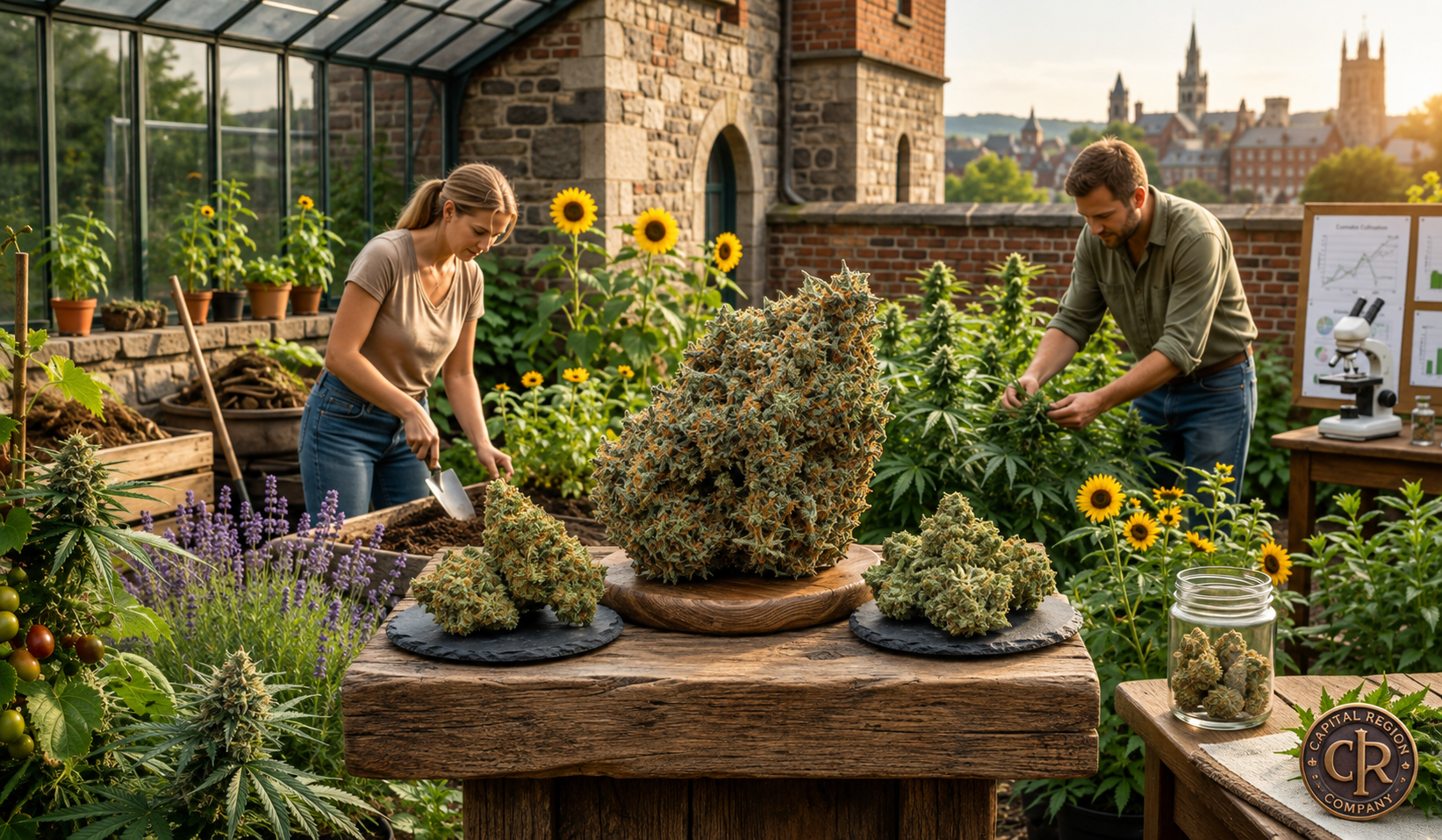
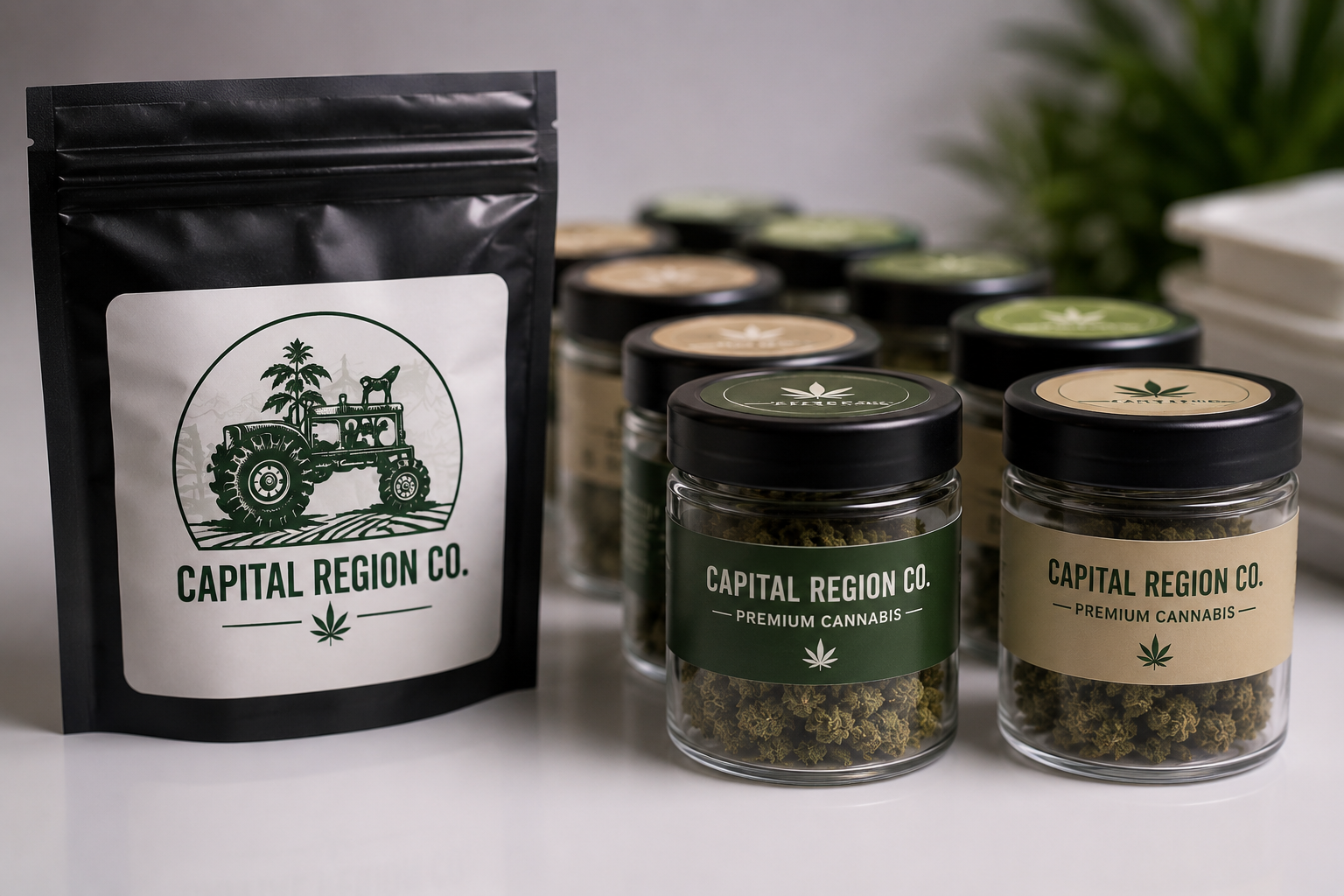
Capital Region Co., NY, works within New York’s licensed cannabis system. The company focuses on cultivation, processing, and distribution while working with approved retail partners.
Instead of offering complex systems, Capital Region Co., New York focuses on clear and compliant operations. This approach helps retailers focus on daily store management.
Their role in partnerships includes:
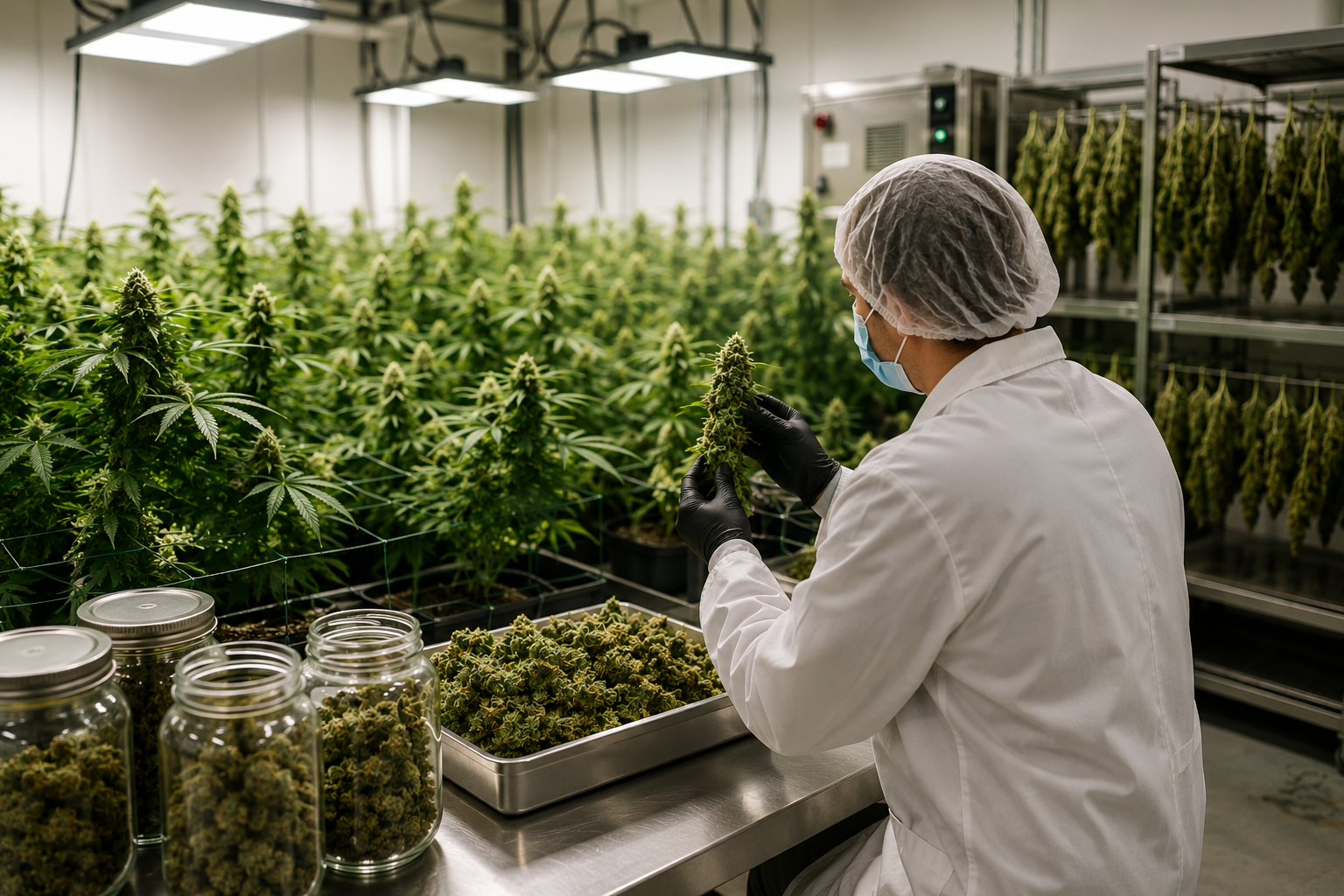
- Licensed cannabis cultivation
- Processing and product preparation
- Distribution support for retail stores
Because of this structure, Capital Region Co New York supports cannabis retail partnerships in NY in a practical and steady way.
What Retailers Should Check Before Partnering
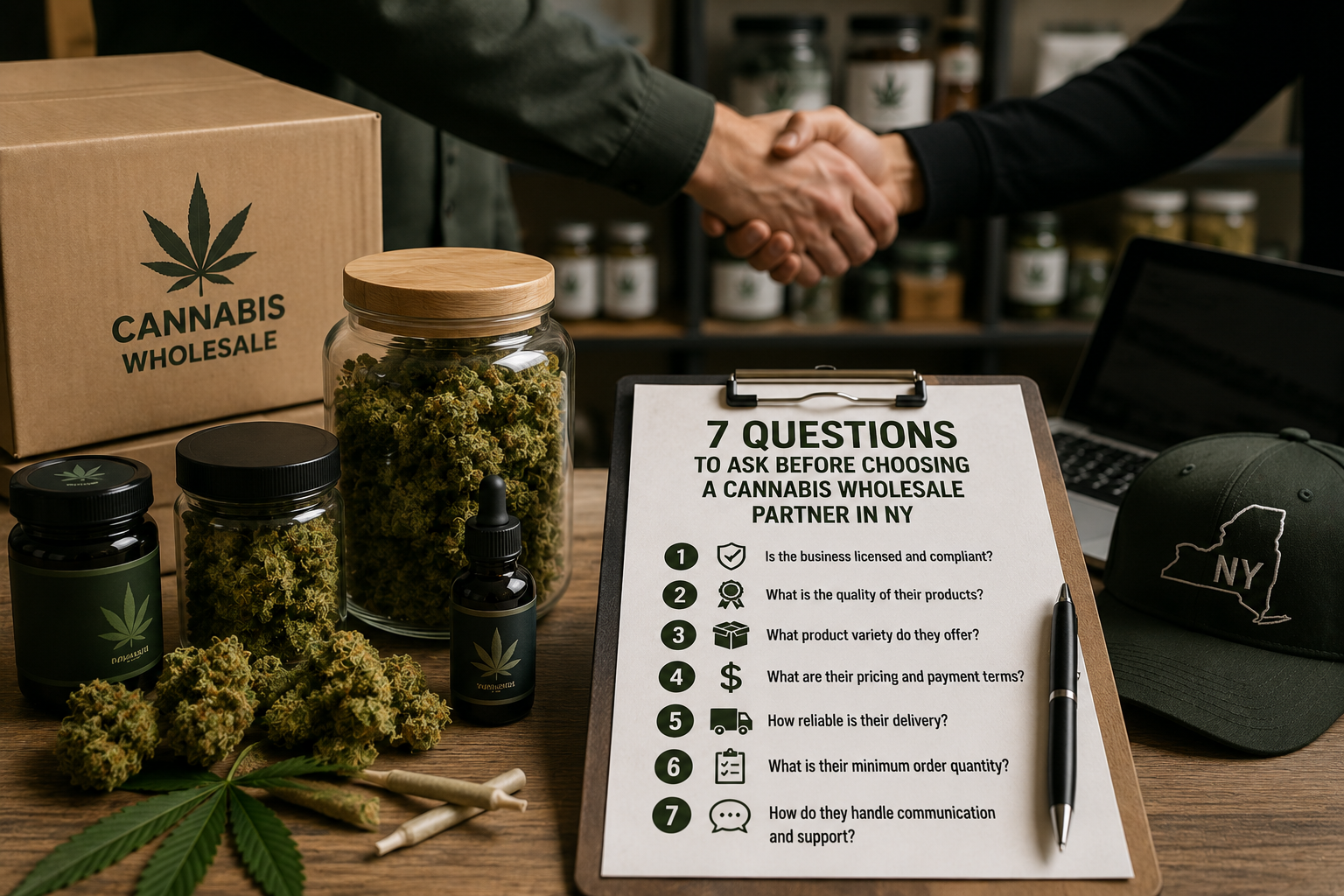
Before signing any agreement, retailers should review a few key areas. This step protects both sides.
Retailers should confirm:
- Active New York cannabis licenses
- Product testing records
- Delivery schedules
- Pricing and order terms
By checking these points early, retailers reduce future risks.
Benefits of Strong Retail Partnerships
Good partnerships make daily work easier. They also support long-term growth.
Key benefits include:
- Steady product availability
- Clear compliance support
- Better planning for inventory
- Increased customer confidence
Because of this, cannabis retail partnerships in NY are not only helpful but necessary for stable operations.
How Retail Partnerships Usually Begin
Most partnerships follow a simple process. While timelines differ, the steps are similar.
- Initial discussion and license review
- Product selection and pricing review
- Agreement setup
- Compliance checks
- First delivery
This structure helps avoid confusion and delays.
Conclusion
Cannabis retail partnerships in NY help licensed dispensaries operate with confidence. They support compliance, product availability, and customer trust.
By working with licensed partners such as Capital Region Co, New York, retailers can focus on serving customers instead of managing complex supply issues. As New York’s cannabis market continues to grow, strong partnerships remain one of the most dependable ways to support long-term success.
Frequently Asked Questions
1. What does a cannabis retail partnership mean in New York?
A cannabis retail partnership means two or more licensed cannabis businesses work together legally.
Most often, this includes a grower, a processor, a distributor, and a dispensary.
Each business has a specific role.
The grower produces cannabis.
The processor prepares it for sale.
The distributor moves it legally.
The retailer sells it to customers.
Because New York has strict rules, these partnerships help businesses follow the law while keeping products available for sale.
2. Are cannabis retail partnerships allowed under New York law?
Yes. Cannabis retail partnerships are allowed in New York.
However, every business involved must hold the correct state license.
All partners must also follow the rules set by the New York Office of Cannabis Management.
This includes rules for testing, tracking, packaging, and reporting.
If one partner does not follow the rules, it can affect everyone involved. That is why choosing a compliant partner is very important.
3. Why do dispensaries need retail partnerships?
Running a dispensary requires more than selling products.
Retailers must manage inventory, paperwork, and compliance at the same time.
Retail partnerships help because:
- Products arrive through approved channels
- Testing paperwork is already completed
- Delivery schedules are more reliable
As a result, dispensaries can focus more on customer service and daily operations instead of supply problems.
4. What is a white-label cannabis partnership?
A white-label partnership allows a product to be sold under a custom brand name.
The licensed partner grows and processes the cannabis.
The retailer or brand owner focuses on branding and sales.
New businesses often use this model because it reduces setup time.
It also helps retailers offer unique products without managing cultivation or processing themselves.
5. Can a dispensary work with more than one cannabis partner?
Yes. Most dispensaries work with more than one partner.
This helps avoid product shortages and increases customer choice.
Working with multiple licensed partners also allows retailers to:
- Offer different product types
- Compare pricing and supply reliability
- Reduce dependence on one supplier
However, each partnership must still meet state requirements.














.jpeg)





.png)
.png)

.png)

.png)
.png)
.png)
.png)
.png)


