
Introduction
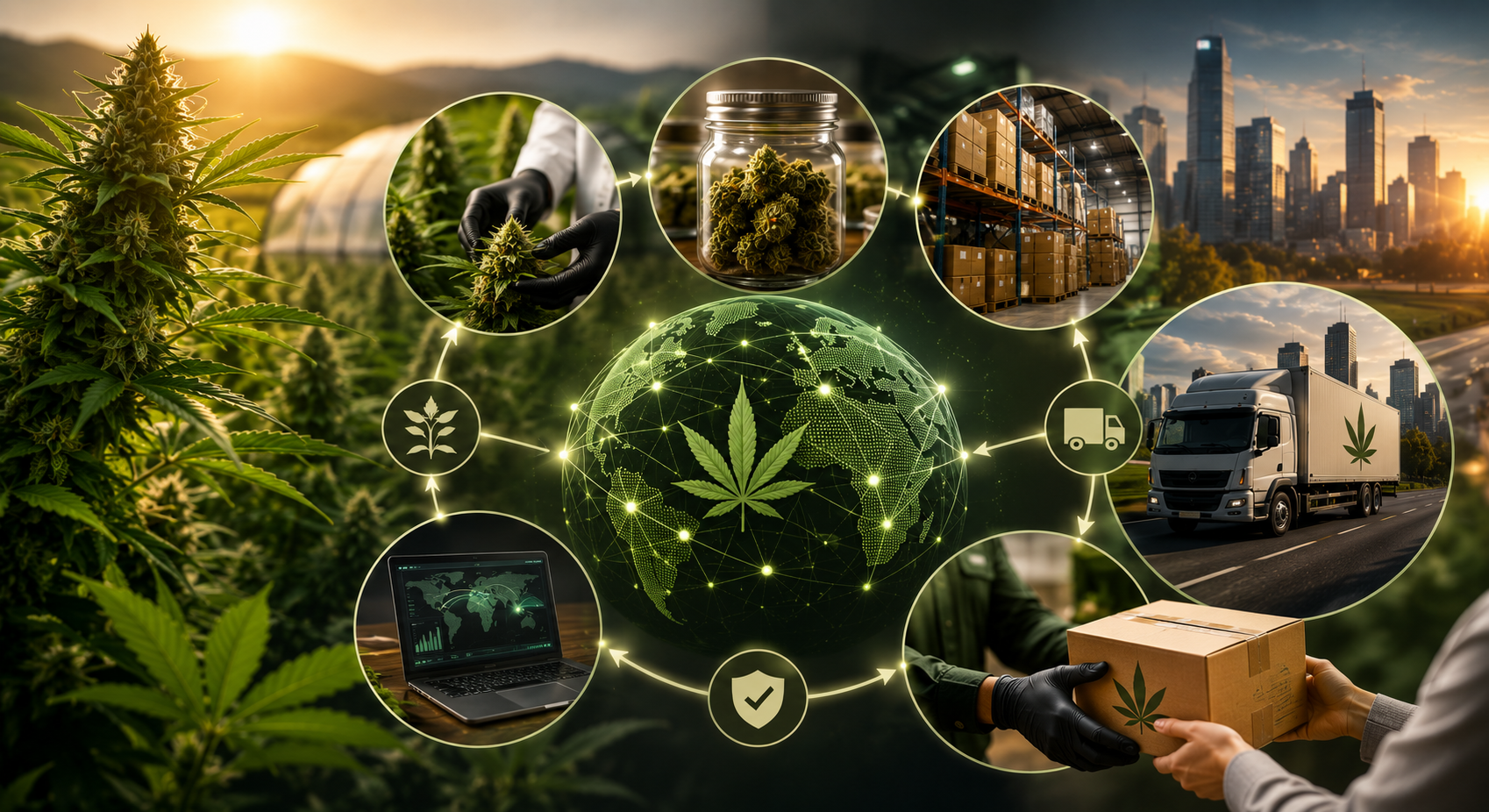
New York has created a regulated cannabis system that focuses on safety, transparency, and accountability. All legal cannabis products must be tracked from the time they are planted until they are sold to consumers. This system helps prevent illegal diversion and supports public health across the state.
Because of this structure, cannabis compliance in New York affects every licensed operator. Each business must understand how these rules apply to daily operations in order to remain compliant.
What Cannabis Compliance Means in New York
Cannabis compliance in New York refers to the legal responsibilities placed on businesses involved in the cannabis industry. These responsibilities apply to cultivation, processing, distribution, and retail sales. The Office of Cannabis Management enforces these rules.
In simple terms, compliance means following the law at all times. It includes accurate record keeping, safe handling practices, and proper reporting. Licensed cannabis NY businesses must treat compliance as a regular part of daily work rather than a one-time task.
Licensing and Regulatory Oversight
Licensing is the first step in cannabis compliance in New York. A business cannot legally operate without approval from the state.
The Office of Cannabis Management is responsible for:
- Issuing and renewing licenses
- Reviewing reports and records
- Inspecting facilities
- Taking enforcement action when rules are not followed
Each license type has specific requirements. Cultivators, processors, distributors, and retailers must follow different rules based on their role under NY cannabis regulations.
Cultivation Compliance Requirements
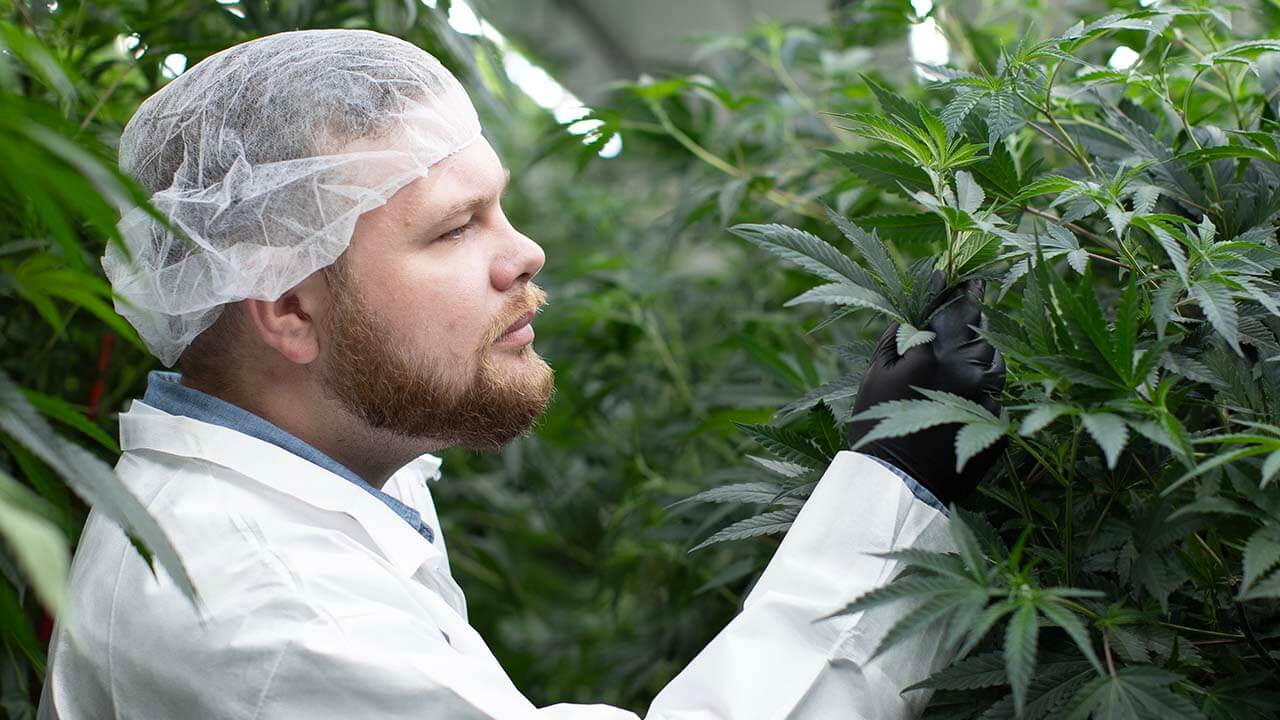
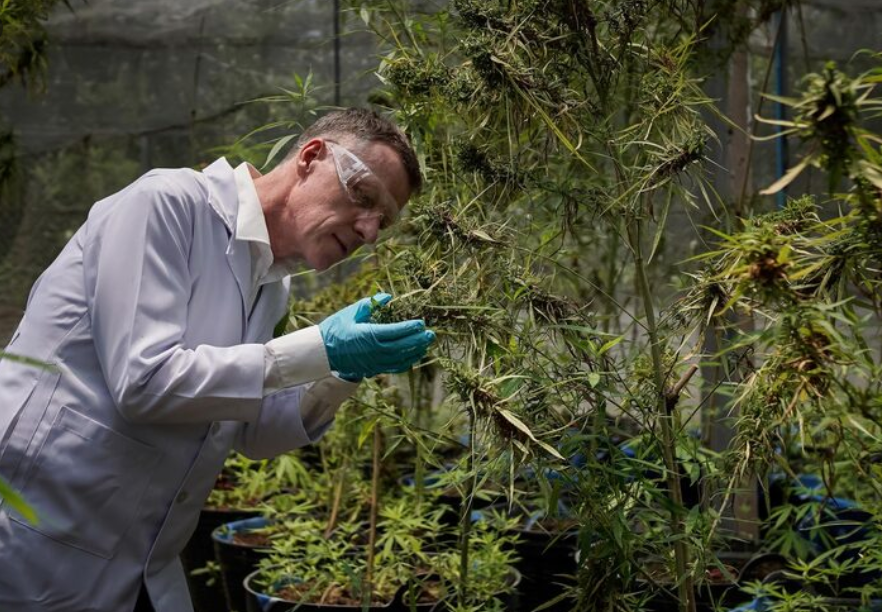
Cannabis cultivation is the starting point of the legal supply chain. Compliance at this stage focuses on plant tracking, facility standards, and accurate records.
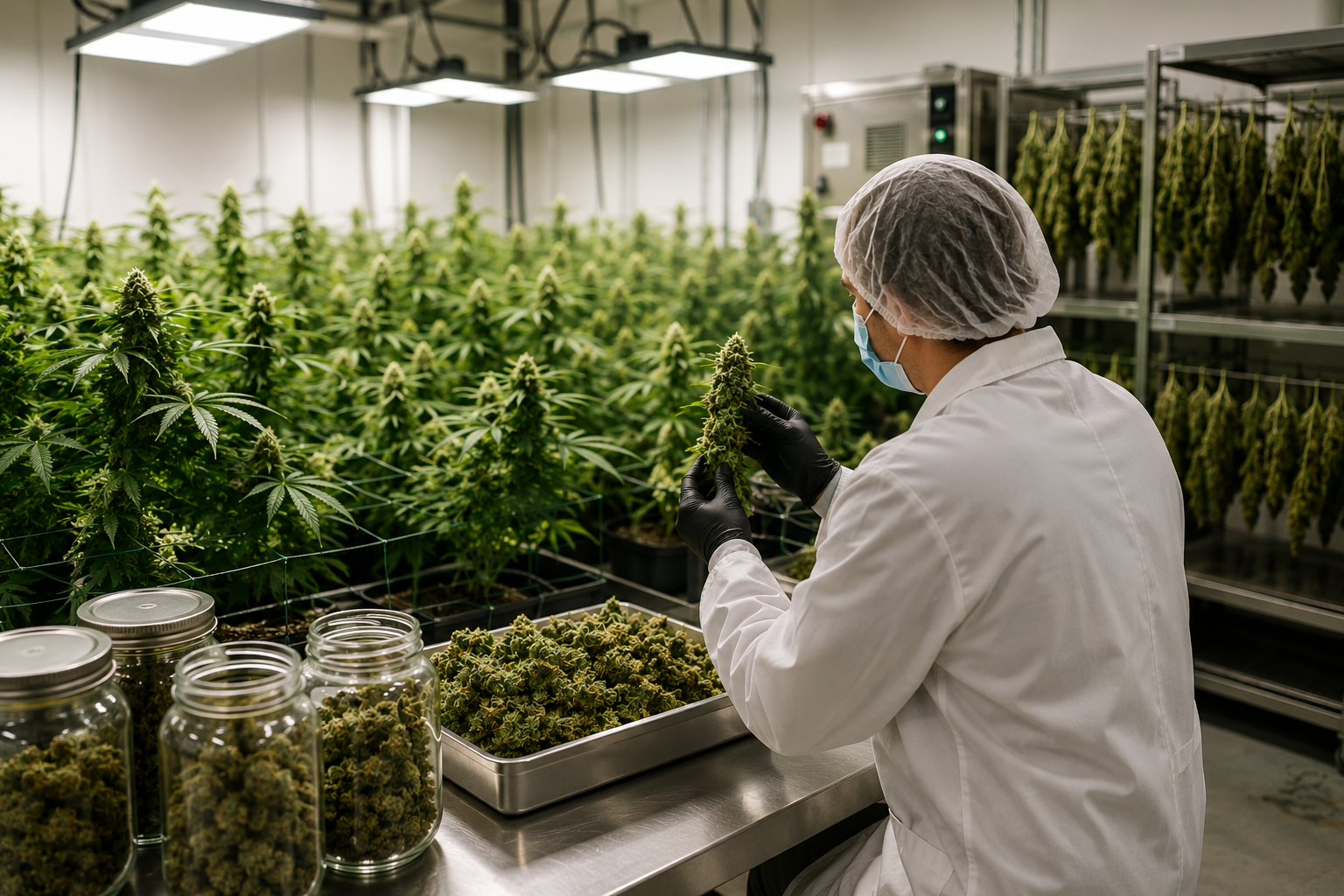
Licensed cultivators are required to track each plant from planting through harvest. Growing conditions, materials used, and harvest results must be recorded. All of this information must be entered into the state tracking system.
These requirements ensure that only legal cannabis moves forward to processing. Without proper cultivation compliance, products cannot be sold legally. Cultivation compliance also helps regulators verify that growing activity follows approved standards.
Processing and Manufacturing Compliance
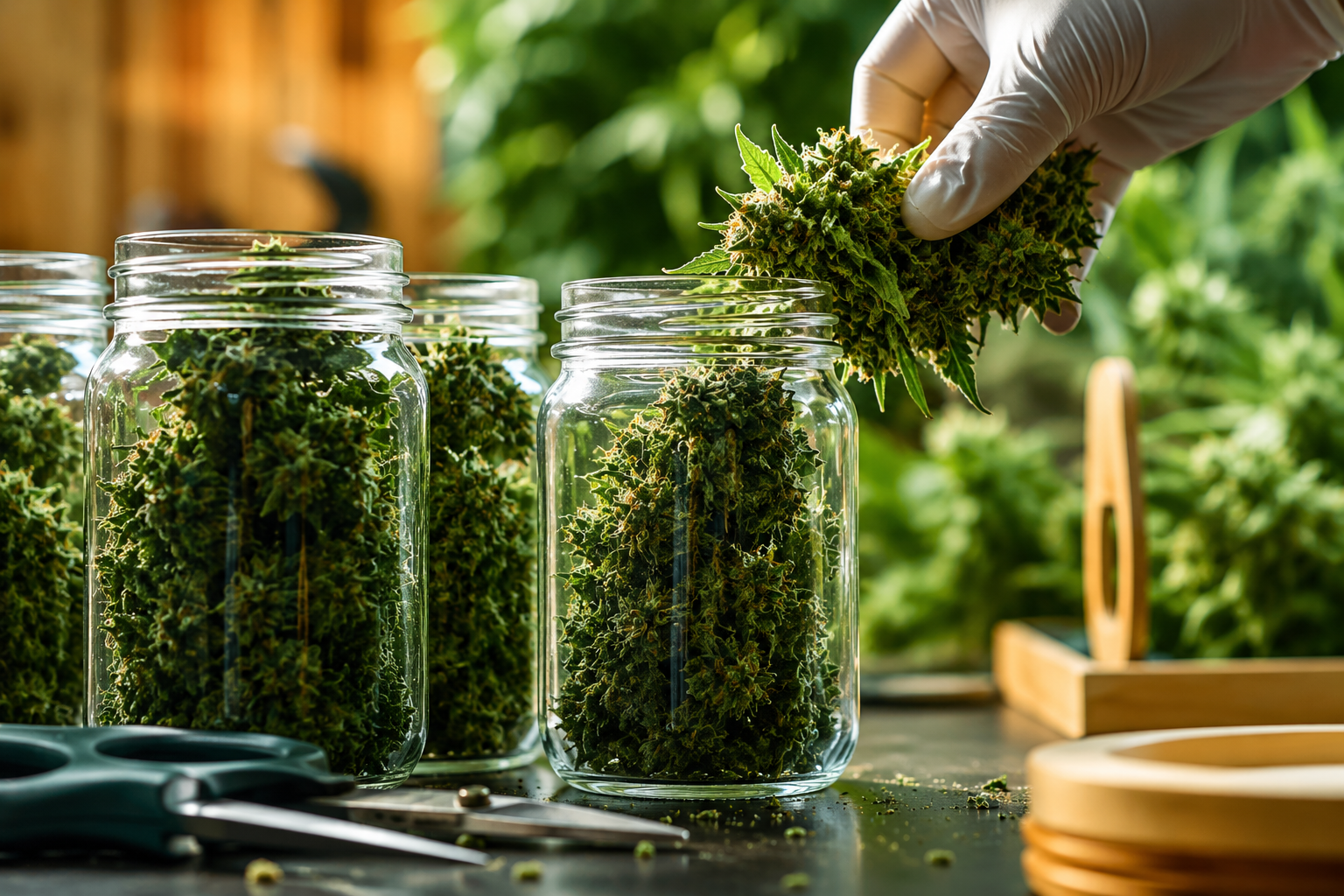
Processing converts harvested cannabis into finished products that are ready for testing and sale. Compliance at this stage focuses on safety, cleanliness, and documentation.
Processors must use approved production methods and maintain clean facilities. Every batch must be tracked from start to finish. Records must show where materials came from and how products were made.
Clear documentation is important because it supports later testing and labeling. It also allows regulators to review operations if questions arise. Processing compliance helps maintain consistent product quality across the licensed cannabis NY market.
Testing, Packaging, and Labeling Standards
Before cannabis products can be sold, they must be tested by licensed laboratories. Testing checks potency levels and screens for contaminants that could harm consumers.
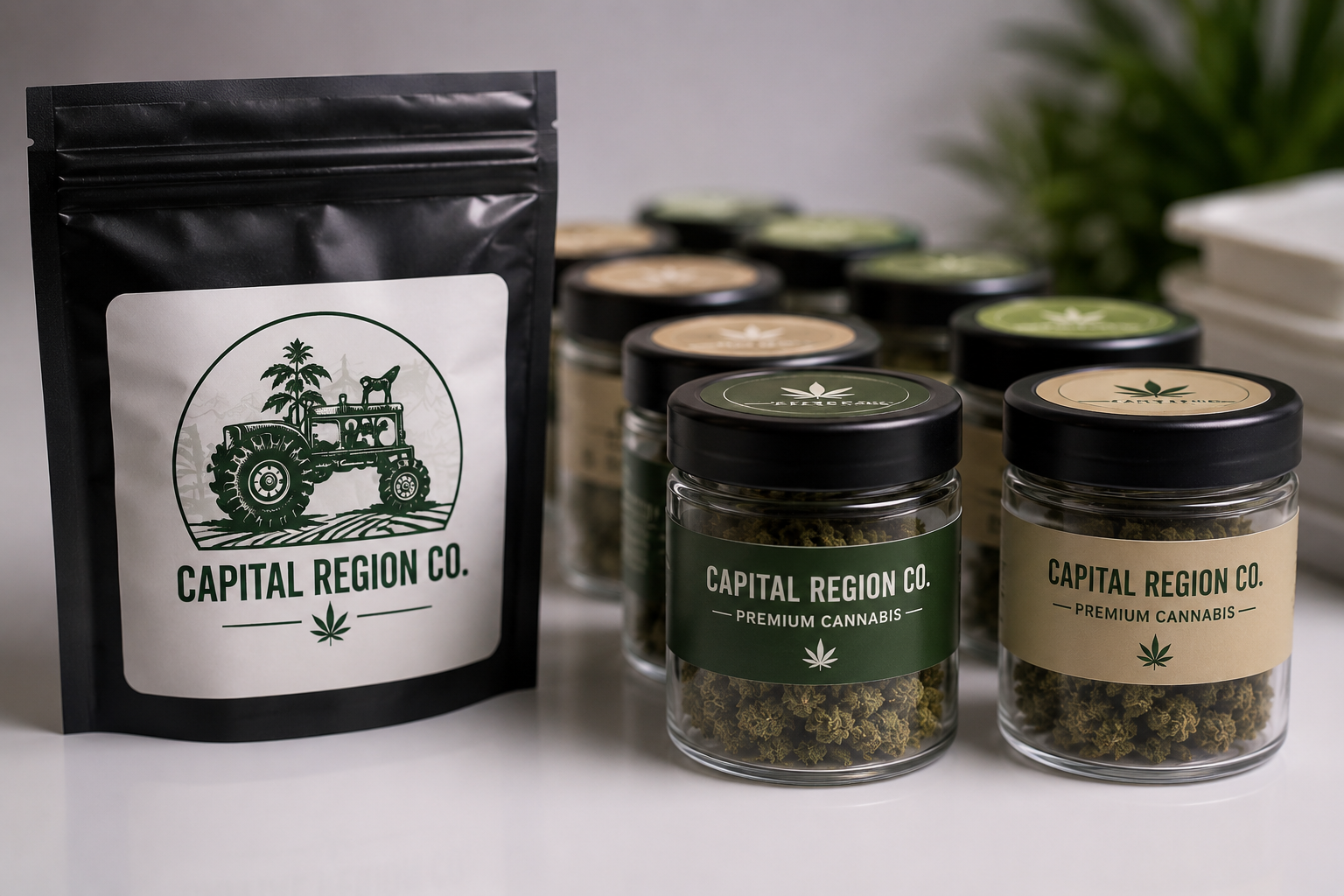
After testing, products must meet packaging and labeling rules. These rules protect consumers and provide clear information about the product.
Packaging and labeling requirements include:
- Child-resistant packaging
- Accurate potency information
- Required health warnings
Following these standards supports consumer safety and helps businesses meet NY cannabis regulations.
Distribution and Inventory Tracking
Distribution connects cultivation, processing, and retail operations. Compliance at this stage relies on accurate inventory tracking and reporting.
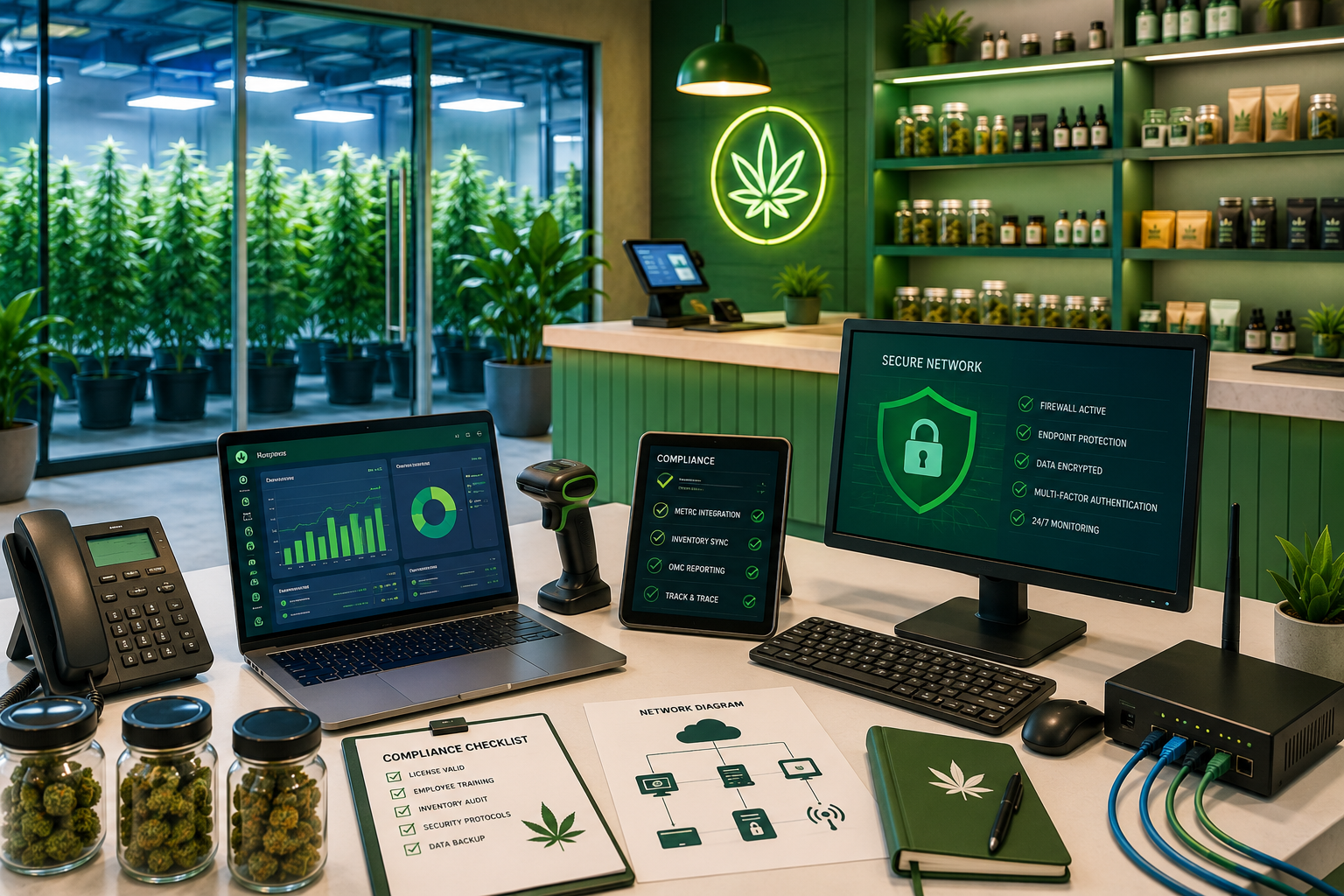
New York requires licensed cannabis businesses to use a seed-to-sale tracking system. This system records inventory changes and product transfers. Each movement must be reported correctly.
Accurate tracking allows regulators to monitor legal cannabis activity and identify issues early. Distribution compliance also helps businesses maintain control over inventory and avoid reporting errors.
Retail Compliance Responsibilities
Retail dispensaries are the final step before cannabis products reach consumers. Retail compliance focuses on safe sales practices and accurate reporting.
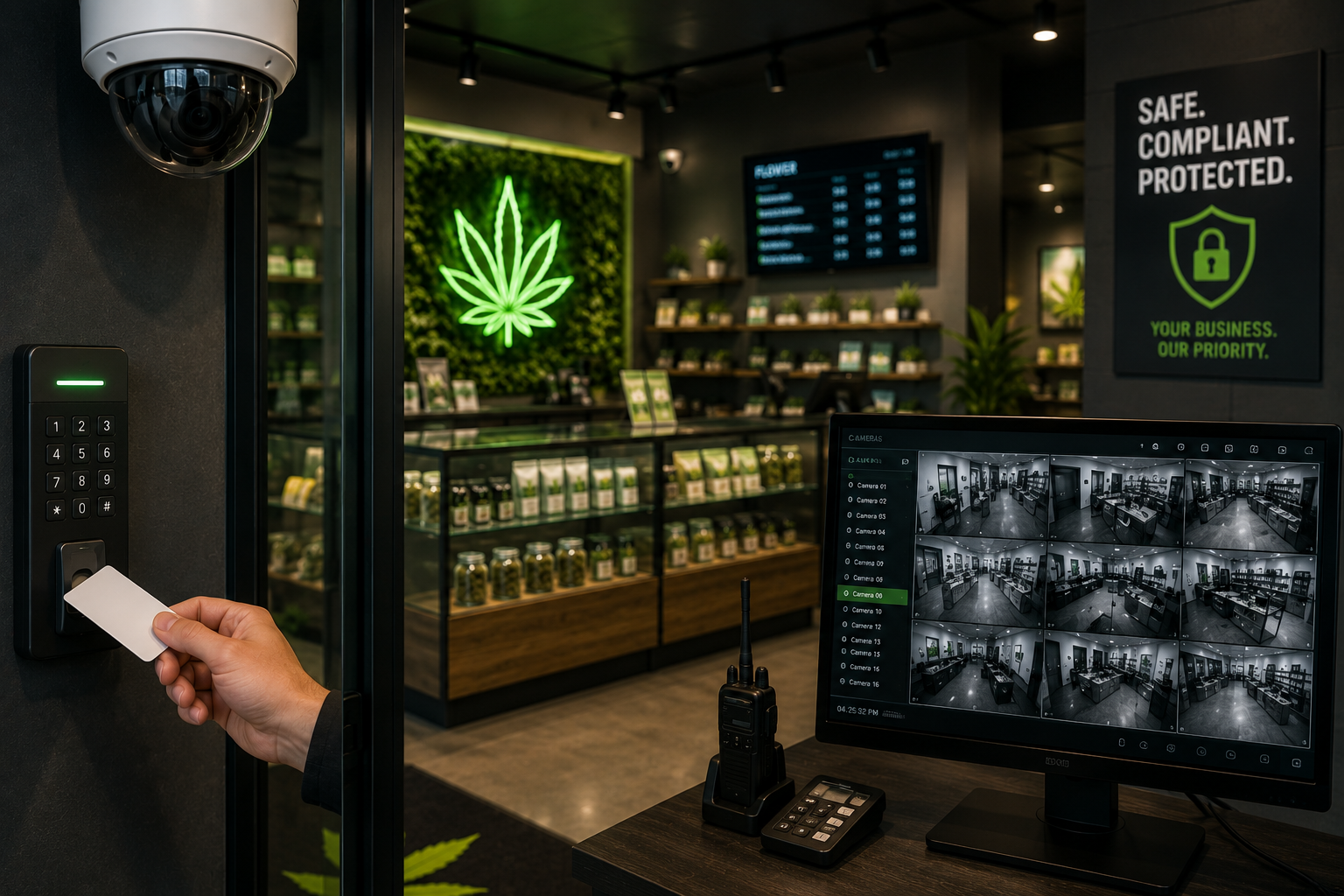
Retailers must verify customer age before every sale. Sales must be recorded using approved systems. Products must be stored securely and handled according to state rules.
Retail compliance protects consumers and supports trust in the legal market. Many businesses work with a licensed cannabis operator in New York to help meet these responsibilities consistently.
Capital Region Co. understands the importance of compliance in retail operations. Capital Region Co. supports responsible practices and regulatory alignment. Capital Region Co. focuses on building compliant cannabis infrastructure across New York.
Why Compliance Matters for Cannabis Businesses
Compliance is essential for operating legally in New York. Businesses that fail to comply may face fines, license suspension, or license revocation.
Strong compliance practices help businesses avoid enforcement action. They also support stable operations and long-term planning. Regulators are more likely to trust businesses that demonstrate consistent compliance.
Capital Region Co. recognizes that compliance supports sustainable growth. Capital Region Co. prioritizes transparency and responsible operations throughout the supply chain.
Conclusion
Cannabis compliance in New York applies to every stage of the legal cannabis process. From cultivation to retail, each step is regulated to protect public health and ensure accountability.
By following NY cannabis regulations and maintaining accurate records, licensed cannabis NY businesses can operate with confidence. Proper tracking, testing, and responsible sales practices support long-term success.
Businesses that focus on compliance are better prepared to grow and operate responsibly in New York’s regulated cannabis market.
Frequently Asked Questions
1. What does cannabis compliance in New York mean
Cannabis compliance in New York means following all state laws that control how cannabis is grown, processed, tracked, and sold. These laws apply to every licensed cannabis business operating in New York.
2. Who enforces cannabis compliance in New York
The New York Office of Cannabis Management enforces compliance. It issues licenses, conducts inspections, reviews records, and takes enforcement action when rules are violated.
3. Is seed-to-sale tracking required for all cannabis businesses
Yes. All licensed cannabis NY businesses must use the state-approved tracking system. This requirement applies to cultivators, processors, distributors, and retail dispensaries.
4. Why is cannabis testing required before sale
Testing ensures cannabis products are safe for consumers. It verifies potency levels and checks for contaminants before products are sold in the legal market.
5. What happens if a cannabis business does not comply
Non-compliance can result in fines, license suspension, or license revocation. These actions can prevent a business from operating legally in New York.











.jpeg)

.png)
.png)

.png)

.png)
.png)
.png)
.png)
.png)


