Why Private Label Cannabis Products Are Gaining Popularity Among Dispensaries

Private label cannabis is becoming popular because it allows dispensaries to sell their own products without managing cultivation or production. In a regulated market like New York, this approach makes it easier to follow rules, reduce costs, and keep operations simple. At the same time, dispensaries can focus on branding and customer experience, which helps them grow in a steady way.

What Is Private Label Cannabis?

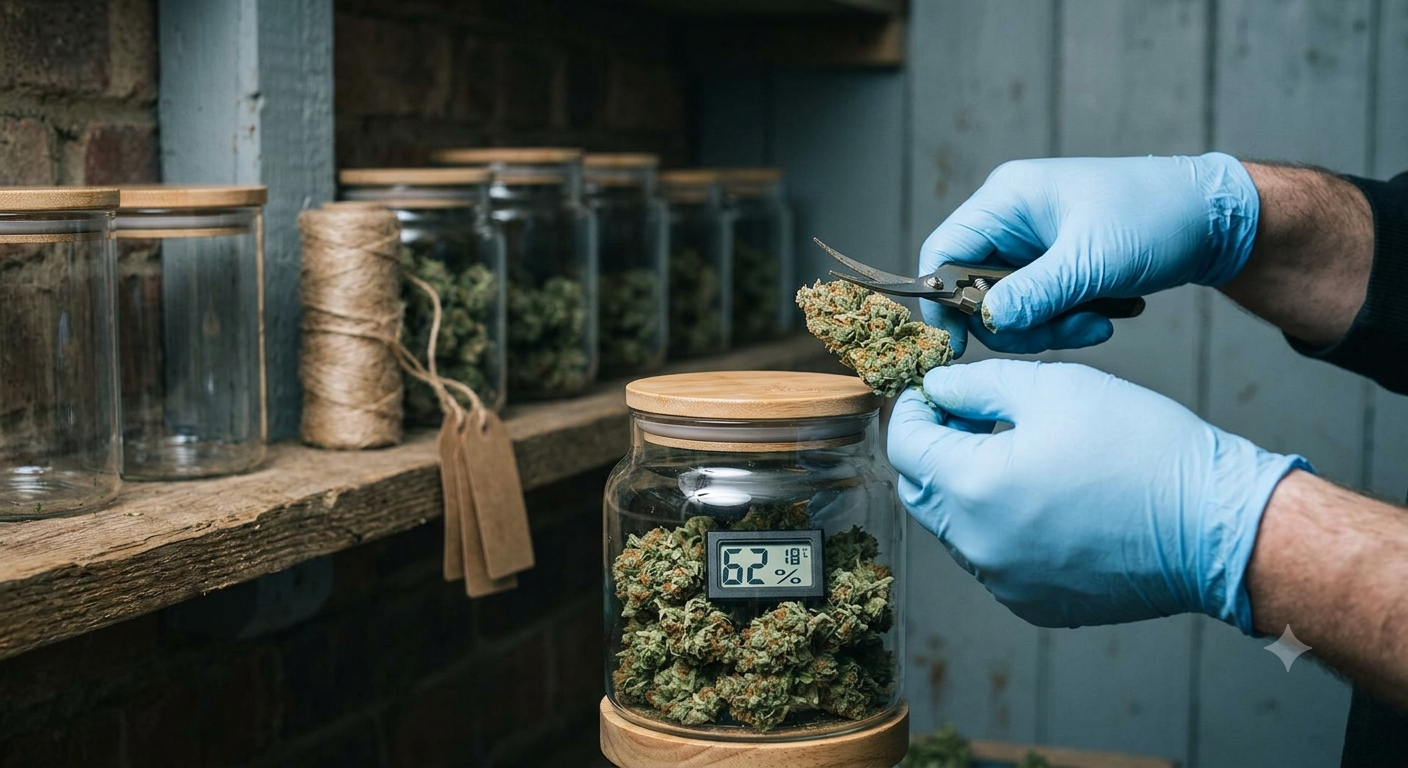
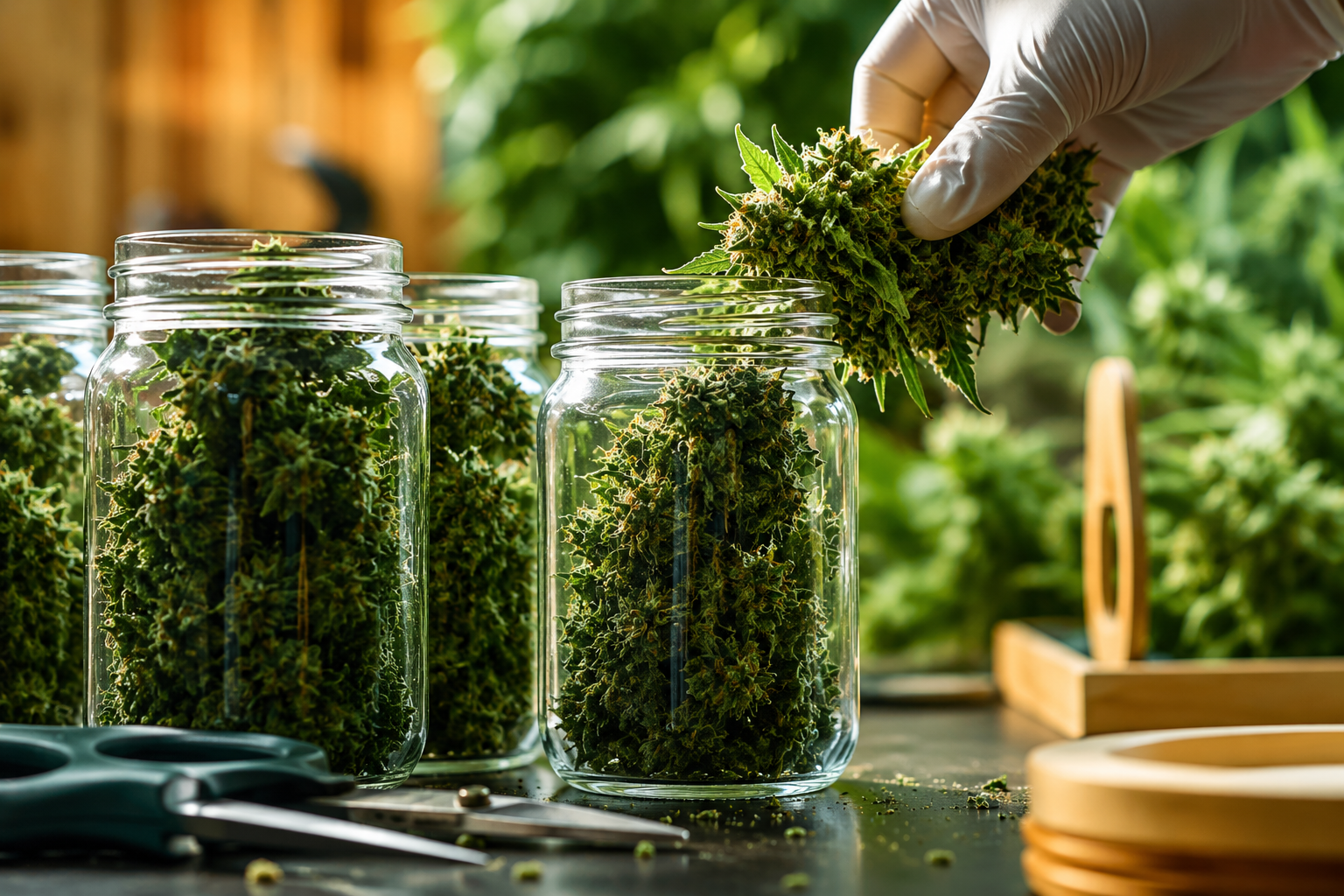
Private label cannabis means that a licensed partner produces cannabis products, and another business sells those products under its own brand. The licensed partner handles growing, processing, testing, and packaging. The dispensary manages sales and branding. This structure also explains why private label cannabis is popular, as it removes the need for dispensaries to manage complex production systems.

This model is common in private-label cannabis in New York markets because the state has strict rules. Businesses often choose to work with a licensed cannabis operator in New York instead of building their own facility. This helps them stay compliant and avoid delays.

Capital Region Co. supports this process by connecting licensed partners across cultivation, processing, and distribution. As a result, businesses can move forward with a system that is already organized and compliant.

Why Private Label Cannabis Is Popular

Easier Compliance in a Regulated Market

New York has clear and strict cannabis rules. Different licenses are needed for cultivation, processing, and distribution. Because of this, it can be difficult to manage everything alone.

Private label cannabis helps solve this problem. Businesses can work with licensed partners who already follow state laws. Therefore, they do not need to manage multiple licenses.

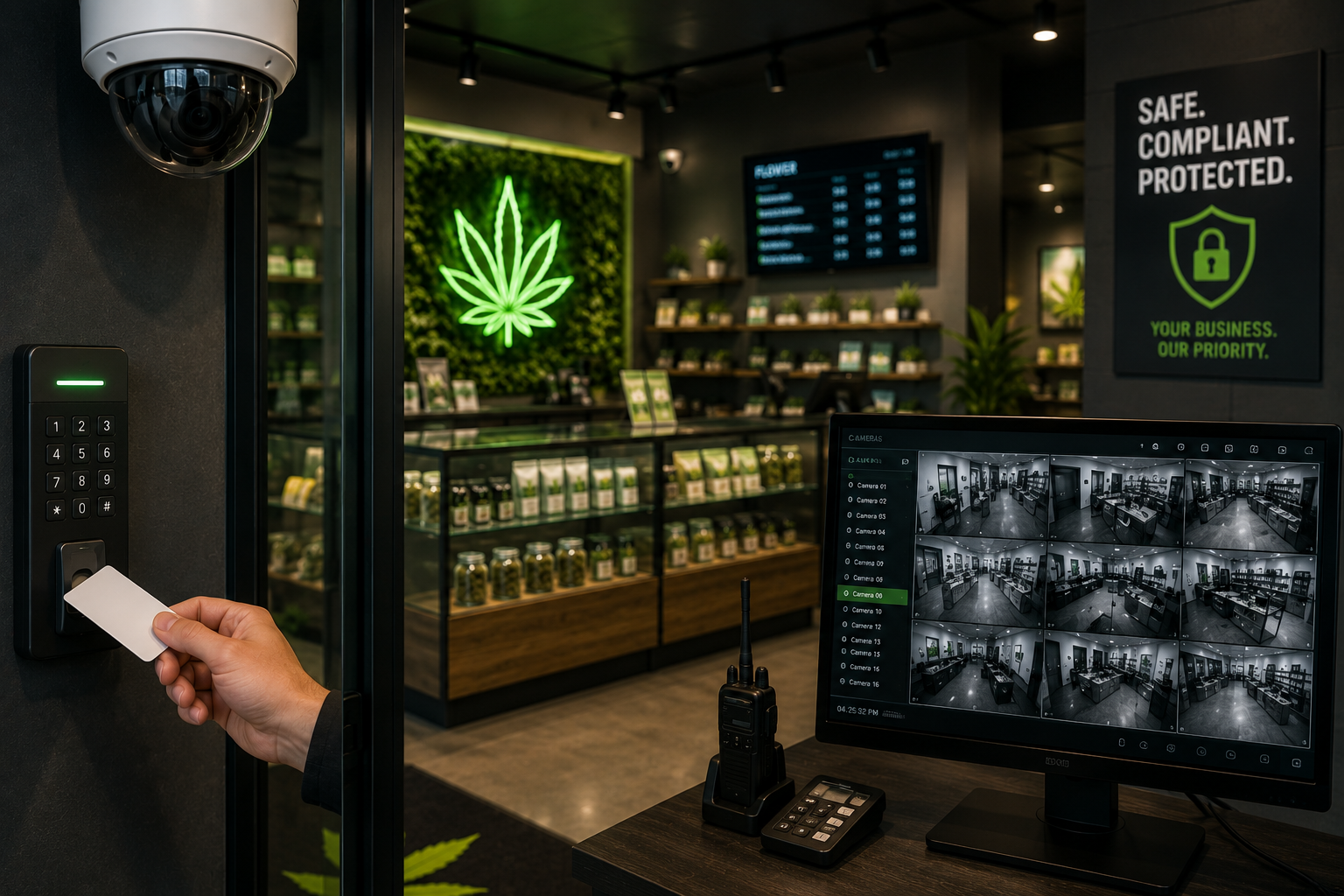
In addition, licensed partners handle testing, labeling, and tracking. These steps are required for legal sales. As a result, dispensaries can focus on serving customers while staying compliant.

Lower Operational Costs

Starting a cannabis facility requires a large investment. Costs include space, equipment, and staff. For many dispensaries, this is not practical.

Private label cannabis benefits include lower costs because production is already handled by a licensed facility. Businesses do not need to build or maintain their own setup.

This also reduces ongoing expenses. There is no need to manage large teams or handle production issues. Therefore, dispensaries can use their budget for marketing and store operations.

Faster Market Entry

Launching a new cannabis product can take time. Licensing and setup can slow the process. However, private label cannabis allows businesses to enter the market faster.

Licensed partners already have systems in place. They follow approved processes for production and testing. Because of this, products can reach the market more quickly.

This speed helps dispensaries respond to demand. They can introduce new products without long delays.

Strong Cannabis Product Branding Opportunities

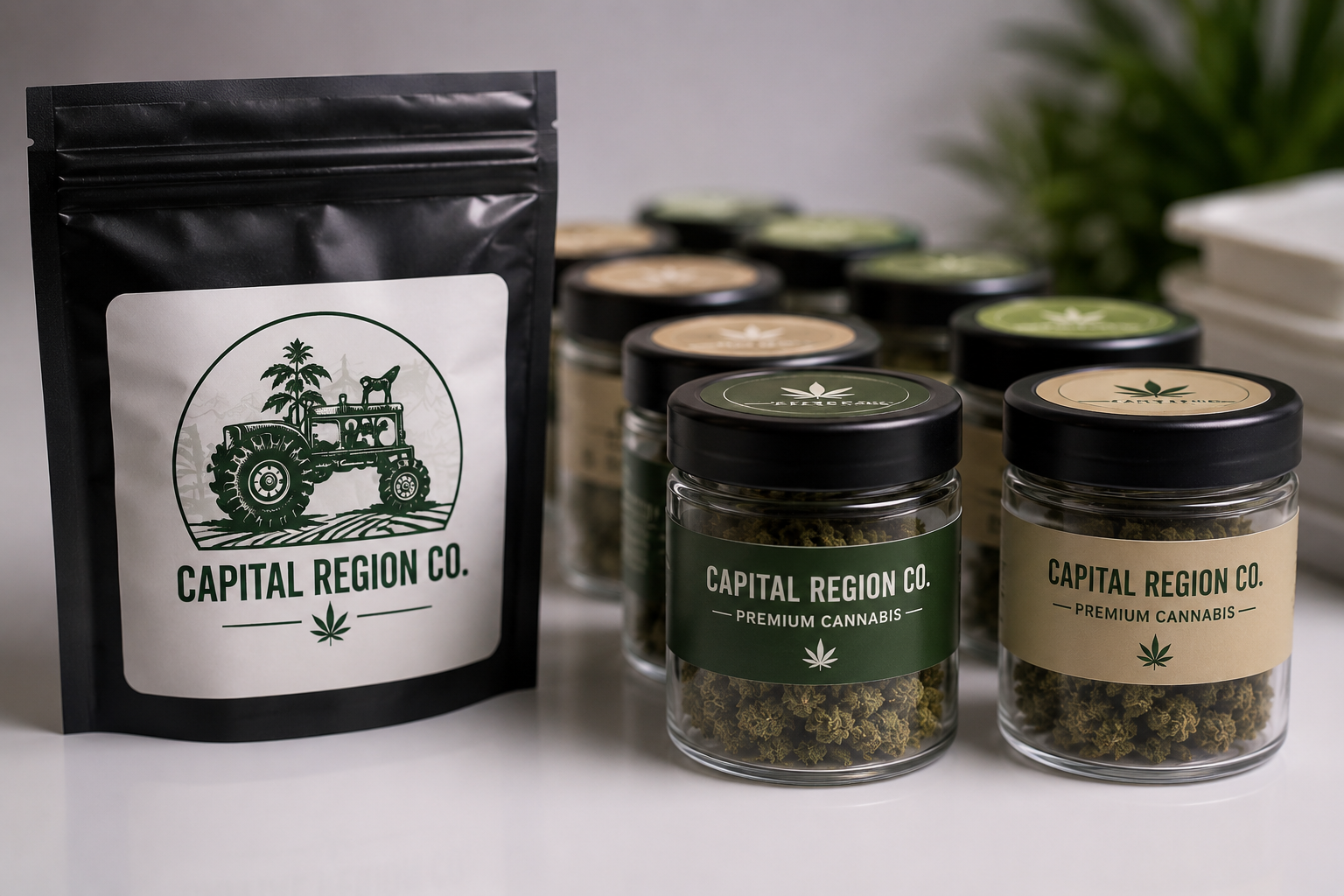
Private label cannabis supports cannabis branding for dispensaries. It separates production from branding. This allows dispensaries to focus on how their products look and feel.

They can control packaging, product names, and design. This helps create a clear brand identity.

In addition, cannabis product branding builds customer trust. When branding is consistent, customers can recognize products easily. This supports repeat sales.

Reliable Supply and Consistency

Consistency is important in cannabis retail. Customers expect the same quality each time. Private label cannabis helps maintain this consistency.

Licensed partners follow standard processes. They complete required testing and keep proper records. As a result, products meet the same quality standards.

Capital Region Co. supports a reliable supply through its network. This system connects production and distribution. Therefore, dispensaries can keep products in stock.

Role of a Licensed Cannabis Operator in New York

A licensed cannabis operator in New York is important in this process. These operators handle cultivation, processing, testing, and distribution.

They also make sure all activities follow state rules. This includes proper labeling and product tracking. Because of this, working with a licensed partner is necessary.

Capital Region Co. works with licensed operators to create a smooth system. This helps businesses stay compliant and organized.

How Private Label Cannabis Supports Dispensary Growth

Private label cannabis supports steady growth. It allows dispensaries to expand without increasing complexity.

Key benefits include:

  • Adding new products without building facilities
  • Keeping product quality consistent
  • Improving margins through branding
  • Responding quickly to customer demand

Because of this, dispensaries can focus on sales and service. They can also adjust their product range based on customer needs.

In addition, this model allows businesses to test new products with less risk. This helps in long-term planning.

Why This Model Fits the New York Market

The New York cannabis market is structured in a specific way. Cultivation, processing, and distribution are handled under different licenses.

Because of this, it is not easy for one business to manage all steps. Private label cannabis offers a practical solution. It connects these steps through licensed partners.

This approach supports compliance and reduces workload. It also helps businesses enter the market more easily.

Private label cannabis in New York solutions are suitable for dispensaries that want to grow without taking on extra risk.

Final Thoughts

Private label cannabis continues to grow because it provides a simple way to operate in a regulated market. It reduces costs, supports compliance, and improves branding.

Dispensaries can focus on customers while licensed partners handle production. This creates a balanced system that supports growth.

Capital Region Co. offers support through its network of licensed partners. Businesses can use this system to build and expand their brand.

If you plan to grow your dispensary, private label cannabis in New York solutions can help you move forward with a clear and compliant approach.

Frequently Asked Questions

1. Why is private-label cannabis popular among dispensaries?

Why private label cannabis is popular is mainly due to its simple structure. Dispensaries can sell their own branded products without managing production. This reduces operational stress and helps them stay compliant with regulations. It also allows them to focus more on customers and sales.

2. What are private label cannabis benefits?

Private label cannabis benefits include lower costs, faster product launch, and easier compliance. Businesses do not need to build production facilities. They can enter the market with less investment and lower risk. This makes it a practical choice for many dispensaries.

3. How does cannabis branding for dispensaries work?

Cannabis branding for dispensaries works by giving businesses control over how products are presented. They can design packaging and create a brand identity. Licensed partners handle production, so dispensaries can focus on branding and marketing.

4. Are white-label cannabis products allowed in New York?

White-label cannabis products are allowed if they are produced and distributed by licensed operators. These operators follow state rules for testing and labeling. This ensures that products meet legal requirements before reaching customers.

5. Do I need a license for private label cannabis in New York?

For private label cannabis New York operations, the need for a license depends on your role. Many dispensaries work with a licensed cannabis operator in New York to handle production and compliance. This allows them to operate legally without managing every part of the process.


Recent Blogs

How Wholesale Cannabis New York Services Support Cannabis Business Growth

The wholesale cannabis market New York businesses rely on continues to support industry growth through compliant cultivation, processing, packaging, and distribution services. Companies like Capital Region Co. help operators improve supply chain management, maintain compliance, and scale operations efficiently across New York’s regulated cannabis market.

right-up

Why Every Licensed Cannabis Processor in New York Needs Dedicated IT Support Right Now

Cannabis processors in New York have a heavy dependence on technology when it comes to being compliant, tracking their inventory, production, and even cyber security. Issues with their tech slow them down and pose greater risks. This is where Capital Region Co assists in ensuring that their technology infrastructure remains solid while managing compliance and security.

right-up

How Capital Region Co. Supports Cannabis Distribution in New York

The Capital Region Company assists cannabis brand businesses in New York to regulate the aspects of distribution, compliance, storage, taxes, and logistics. Through offering security in the transportation and production process as well as wholesale distribution, the company aids the growers and dispensaries in maintaining quality and adhering to the OCM regulations for success in New York.

right-up

Why Private Label Cannabis Products Are Gaining Popularity Among Dispensaries

Private-label cannabis enables dispensary expansion without the hassles of farming or manufacturing. Partnering with licensed vendors allows companies to save money, avoid compliance issues, and concentrate on branding and the consumer experience. Capital Region Co. assists cannabis companies with compliance and reliable private labels in New York.

right-up

How Cannabis Industry Network Solutions Work in New York

New York cannabis businesses rely on tight tracking, compliance systems, and organised operations. Every step from growing to selling in stores is monitored. Capital Region Co. offers operators network solutions to increase efficiency, ensure compliance and meet complex supply chain needs.

right-up

Why Melted Strawberries Strain Is Gaining Popularity in Cannabis Markets

Melted Strawberries is a well-rounded marijuana strain that is celebrated for its flavorful taste and reliable high. Its rising demand in New York City speaks volumes about the trend towards premium quality, boutique production, and predictable highs that contemporary marijuana users prefer.

right-up

How Capital Region Co. Is Redefining Quality in Cannabis Production

Compliance with strict protocols and procedures in laboratory testing and safe handling is ensured in licensed cannabis enterprises in New York State. The Capital Region Co. can help in this regard by facilitating operational connections, ensuring consistency, and enabling businesses to maintain quality standards and production efficiency.

right-up

Why Capital Region Co Is Leading New York’s Cannabis Industry Growth

This company helps the cannabis industry of New York by engaging in cultivation, manufacturing, distribution management, and providing white label products. The vertically integrated business operations ensure that the company remains compliant with the regulations, maintains high quality, and is able to develop effective supply chains.

right-up

Understanding Cannabis Product Formulation New York and Packaging NY

Cannabis formulation and packaging in New York demand strict OCM compliance, accurate dosing, lab testing, and approved labeling. Any mistake in stability, packaging, and labeling can cause a delay in the launch. Working with seasoned partners can help achieve consistency, compliance, and success in a competitive market.

right-up

How does a Cannabis Manufacturer in New York Ensure Quality Compliance?

This guide explains how a cannabis manufacturer in New York maintains compliance through strict quality control, third-party lab testing, and regulated extraction processes. It highlights contamination prevention, environmental monitoring, and seed-to-sale tracking systems that protect facilities from audit failures, product recalls, and costly operational shutdowns.

right-up

How Capital Region Cannabis Operators Help Licensed Cannabis Businesses in NY

How licensing, compliance, and organised operations are necessary to launch a legal cannabis business in New York. It demonstrates how Capital Region Co. helps new businesses with controlled distribution, compliant preparation, and cultivation management.

right-up

How Cannabis Brands Win in New York’s Competitive Market?

Success for cannabis brands in New York depends on mastering middle-mile logistics, airtight compliance, and rapid replenishment—not just branding. Retailers demand transparency, consistent inventory, and regulatory precision. Craft authenticity wins, but without operational infrastructure and procurement discipline, even premium brands lose shelf space fast.

right-up

Seed-to-Sale Tracking in NY Cannabis: What Brands and Retailers Must Know

This blog explains how seed-to-sale tracking works in New York and why METRC New York compliance is mandatory for licensed cannabis businesses. It highlights key duties like real-time inventory reporting, tagging, onboarding, and workflow adjustments for brands and retailers. The guide also shows how strong systems and partnerships help businesses maintain accuracy, avoid penalties, and operate smoothly.

right-up

How Cannabis Compliance Works in New York: From Cultivation to Retail?

This article explains how cannabis compliance works in New York, from cultivation to retail. It outlines the role of the Office of Cannabis Management and key requirements such as licensing, tracking, testing, and reporting. The guide helps licensed cannabis businesses understand NY regulations while supporting safe operations and long-term stability.

right-up

How Cannabis Cultivation Services Can Help Small Brands Compete in NY

This blog explains how cannabis cultivation services in New York help small cannabis brands compete in a highly regulated market. It highlights how licensed cultivation partners reduce costs, ensure compliance, and deliver consistent product quality. By working with trusted cultivation services, small brands can scale efficiently, meet state regulations, and focus on building strong relationships with retailers and consumers across New York.

right-up

Why White Label Cannabis Is Popular Among Dispensaries

New York has strict rules for cannabis production and sales. Different licenses are needed for cultivation, processing, and distribution. Because of this, white label cannabis New York services are especially valuable for businesses that want to operate legally without holding many licenses.

right-up

Vertically Integrated Cannabis Company NY: How Capital Region Co. Does It Differently

New York’s growing cannabis market needs reliable systems. Capital Region Co. uses vertical integration to connect cultivation, processing, distribution, and brand support improving quality, compliance, and stability for partners, retailers, and consumers across the state.

right-up

5 Benefits of Professional Cannabis Trimming and Curing Services in NY

Cannabis trimming and curing services in New York help growers achieve consistent quality, preserve aroma and potency, prevent post-harvest problems, maintain regulatory compliance, and reduce harvest-time stress. By using professional post-harvest support, licensed operators can protect each crop and deliver dependable, compliant cannabis to the market.

right-up

A Complete Guide to Cannabis Retail Partnerships in New York

Cannabis retail partnerships in New York help licensed dispensaries stay compliant, stocked, and reliable as the legal market grows. These partnerships connect growers, processors, distributors, and retailers to ensure tested products, steady supply, and smooth operations. Companies like Capital Region Co., New York support retailers by handling cultivation, processing, and distribution, allowing dispensaries to focus on customer experience and long-term growth.

right-up

How to Find a Reliable Cannabis Supply Chain Partner in New York?

Finding a reliable cannabis supply chain partner in New York requires careful verification of state licensing, product testing, and compliance practices. Businesses should confirm licenses through official records, review Certificates of Analysis, understand traceability systems, and evaluate logistics and consistency to ensure legal safety, quality, and long-term stability.

right-up

White Label Cannabis New York Services: How Capital Region’s Cultivation Can Help You Scale

White label cannabis in New York allows brands to enter the market without operating their own licensed facility by partnering with an experienced operator. Capital Region Co. supports this model by handling cultivation, processing, compliance, packaging, and distribution, helping brands scale efficiently while maintaining quality, consistency, and regulatory compliance.

right-up

Cannabis Distributor New York: Why Capital Region Is the Partner Brands Trust

Cannabis distributors like Capital Region Co. play a crucial role in New York’s legal market by ensuring compliant, secure transportation, and supporting brands with reliable logistics, regulatory expertise, and safe handling practices.

right-up

Cannabis Wholesale Distribution: How Capital Region Co. Connects Growers and Retailers

Cannabis wholesale distribution in New York, led by companies like Capital Region Co., streamlines logistics, ensures compliance, and connects growers with retailers, making the market more efficient and accessible for both sides.

right-up

Why Choosing the Right Cannabis Distributor in New York Matters for Cultivators

New York’s cannabis industry is growing fast, but growth alone isn’t enough. For cultivators, success depends on what happens after the harvest. Getting your product to the right shelves requires a distributor who understands the market, honors your craft, and protects your reputation at every step.

right-up

New York Cannabis Cultivation: How Licensed Operators Are Reshaping the Legal Market

New York has some of the strictest cultivation regulations in the country. You can’t just rent a warehouse, plug in lights, and start growing. Every operator must meet requirements around facility design, security, traceability, environmental controls, and plant tracking.

right-up
Icon