
How Compliant Extraction Facilities Ensure Quality in New York
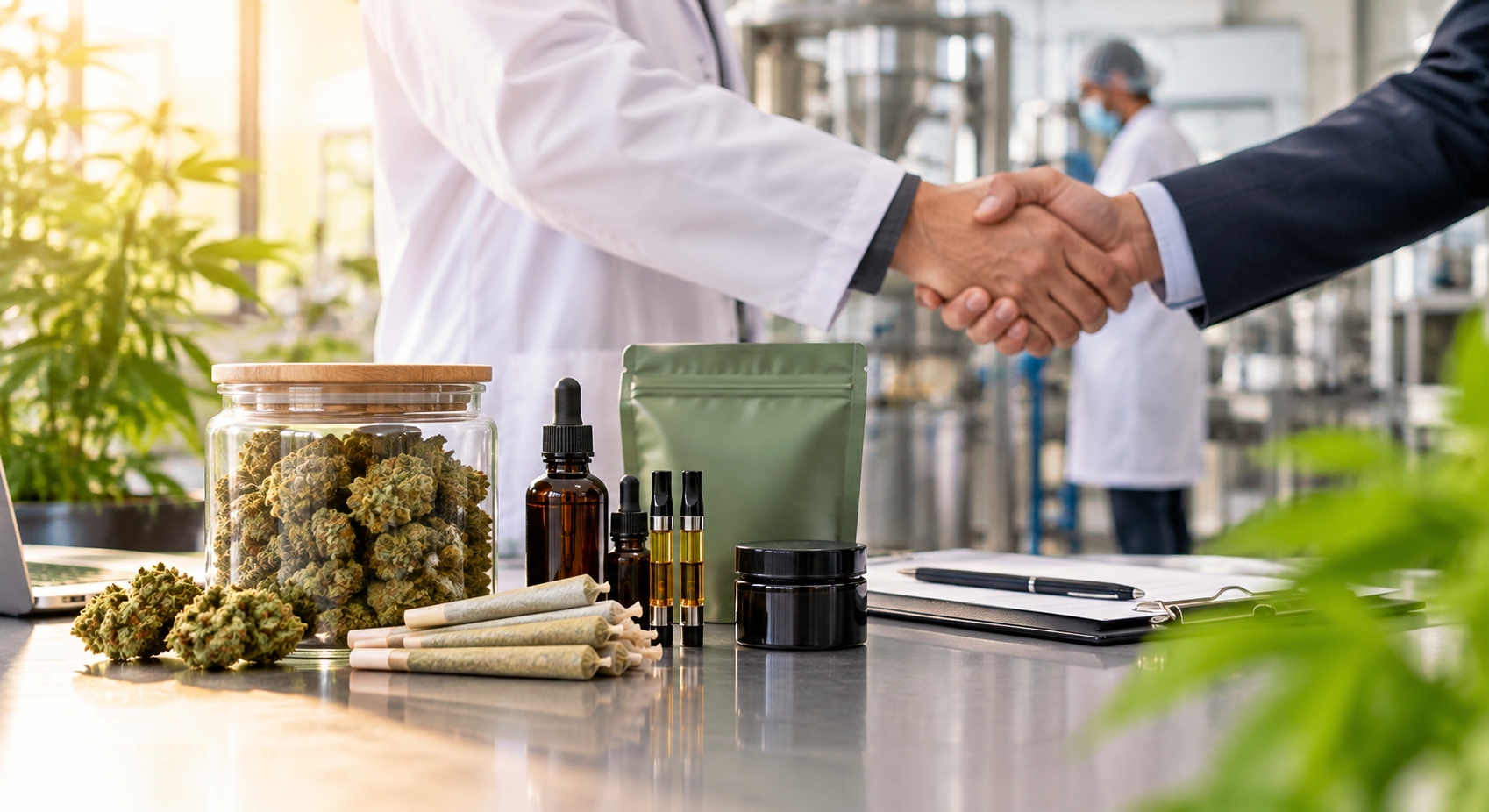
State inspectors do not hand out warnings for missing batch records. They suspend the license. Keeping a facility operational means enforcing strict extraction and packaging protocols directly on the floor. If a third-party lab flags your yield for residual solvents, regulators seize the entire batch immediately.
The consumer market scale demands this rigor. As per the National Center for Drug Abuse Statistics, more than 137 million Americans over the age of 12, or nearly half of the population, have used marijuana at some point in their lives. Consumer safety at this volume requires absolute precision.
Failing to enforce these baseline quality controls leads to immediate license suspension and unsalvageable financial ruin. Substandard operational frameworks do not survive state enforcement sweeps. Book A Call Now to audit your current facility processes.
How Does a Regulated Cannabis Manufacturer Prevent Product Contamination?
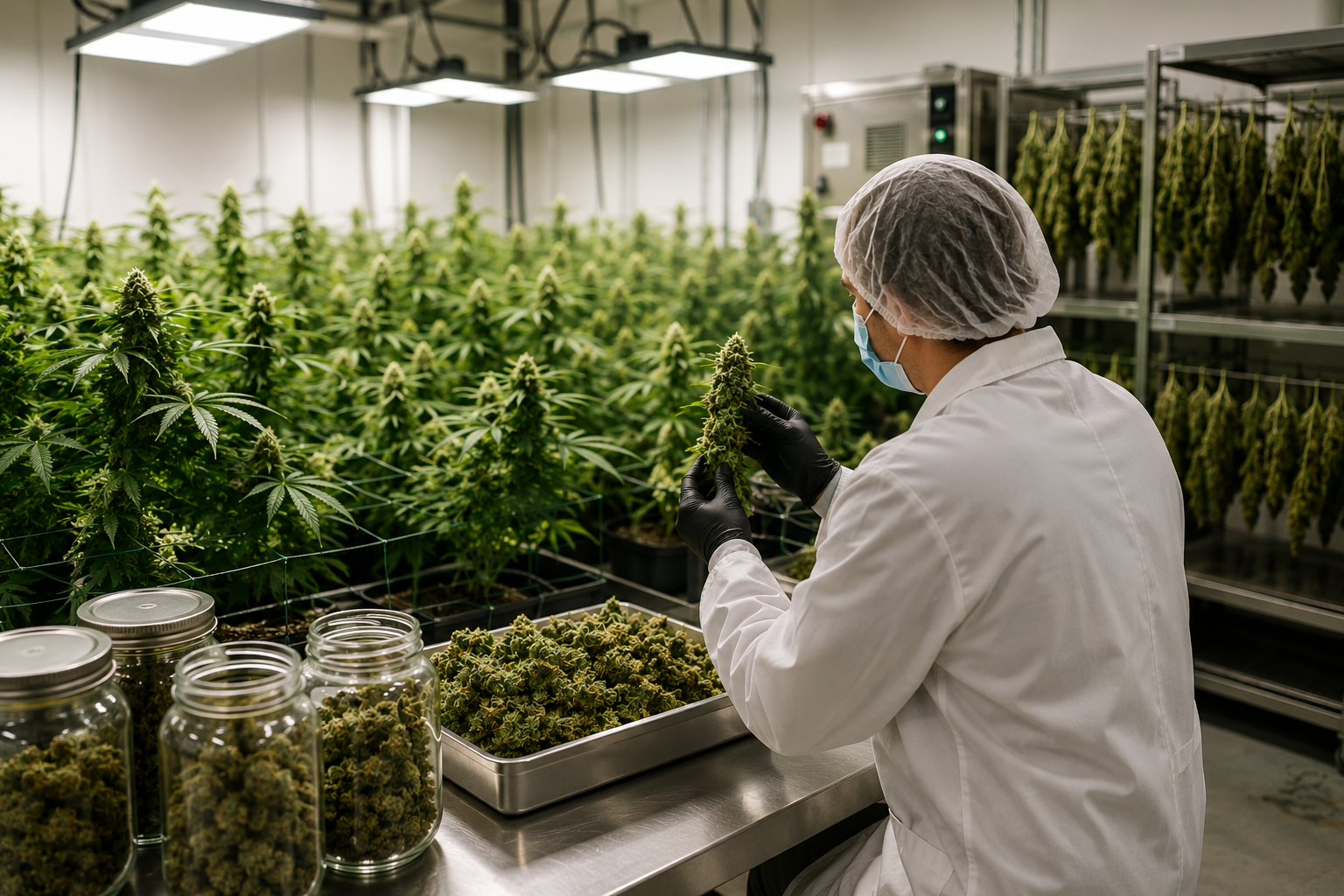
Facilities fail audits because they treat compliance as an afterthought. It requires continuous capital allocation. Regulators do not grade on a curve. You either meet the microbial limits, or your product is destroyed.
Consider "The DIY Disaster" scenario. A facility attempted to cut HVAC costs in its curing rooms. Moisture spiked. The entire batch failed state microbial testing within 48 hours. Total revenue loss exceeded $400,000. They ignored environmental baselines.
Shatter the illusion that basic sanitation is enough. Operating without clinical-grade environmental controls is an operational nightmare. You need precision air filtration and urgent pathogen screening. Book A Call Now to get the best quality cannabis.
Urgent Pathogen Screening Protocols
Testing is not optional. It is the core function of risk mitigation. Samples must be sent to third-party labs. They test for heavy metals, pesticides, mycotoxins, and residual solvents.
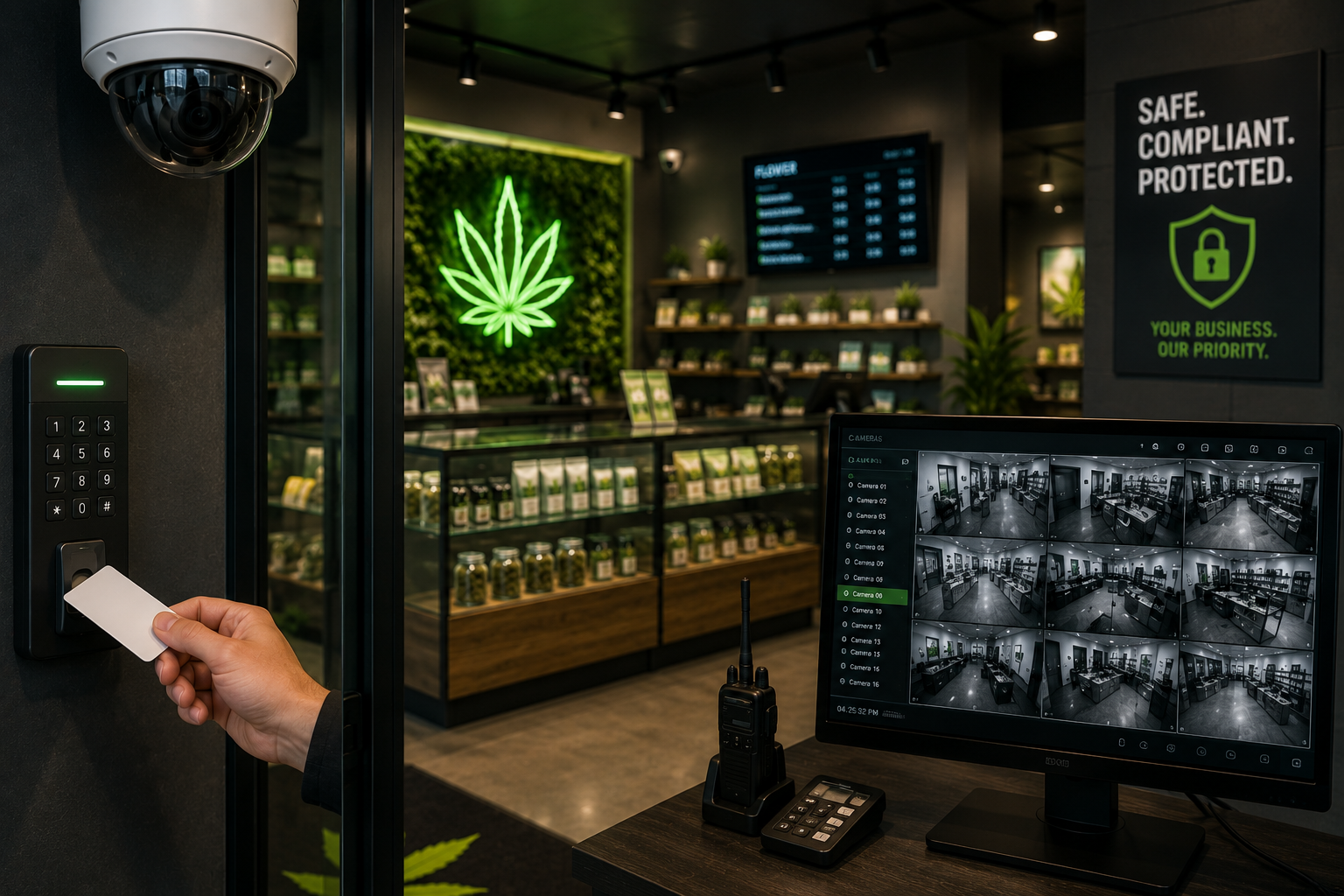
If a barcode drops, operations halt. This is the reality of operating a licensed facility in New York. You must maintain physical and digital security. Access logs. Video retention. State inspectors will pull historical footage. If your servers overwrite data every 30 days, you violate state mandates.
Calibrating Extraction Hardware for Consistent Yields
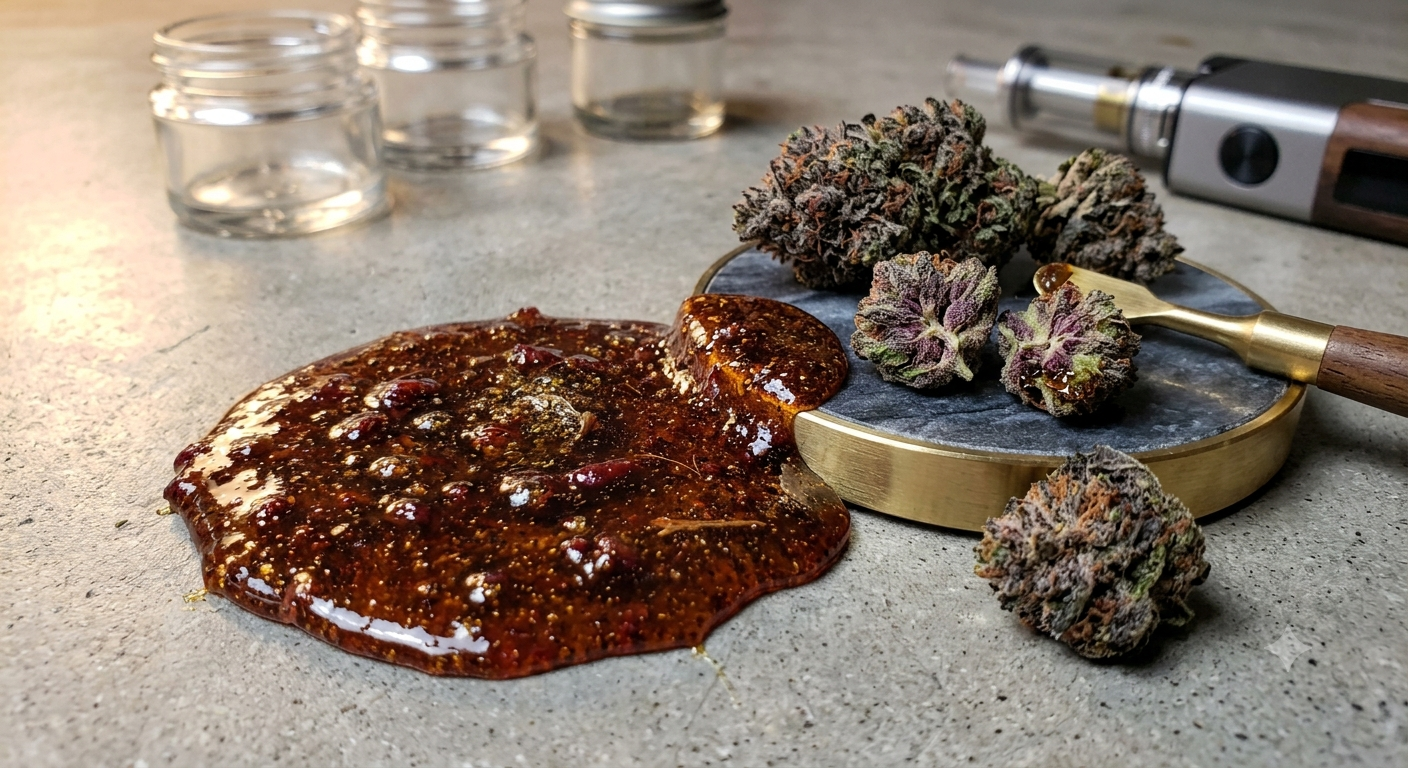
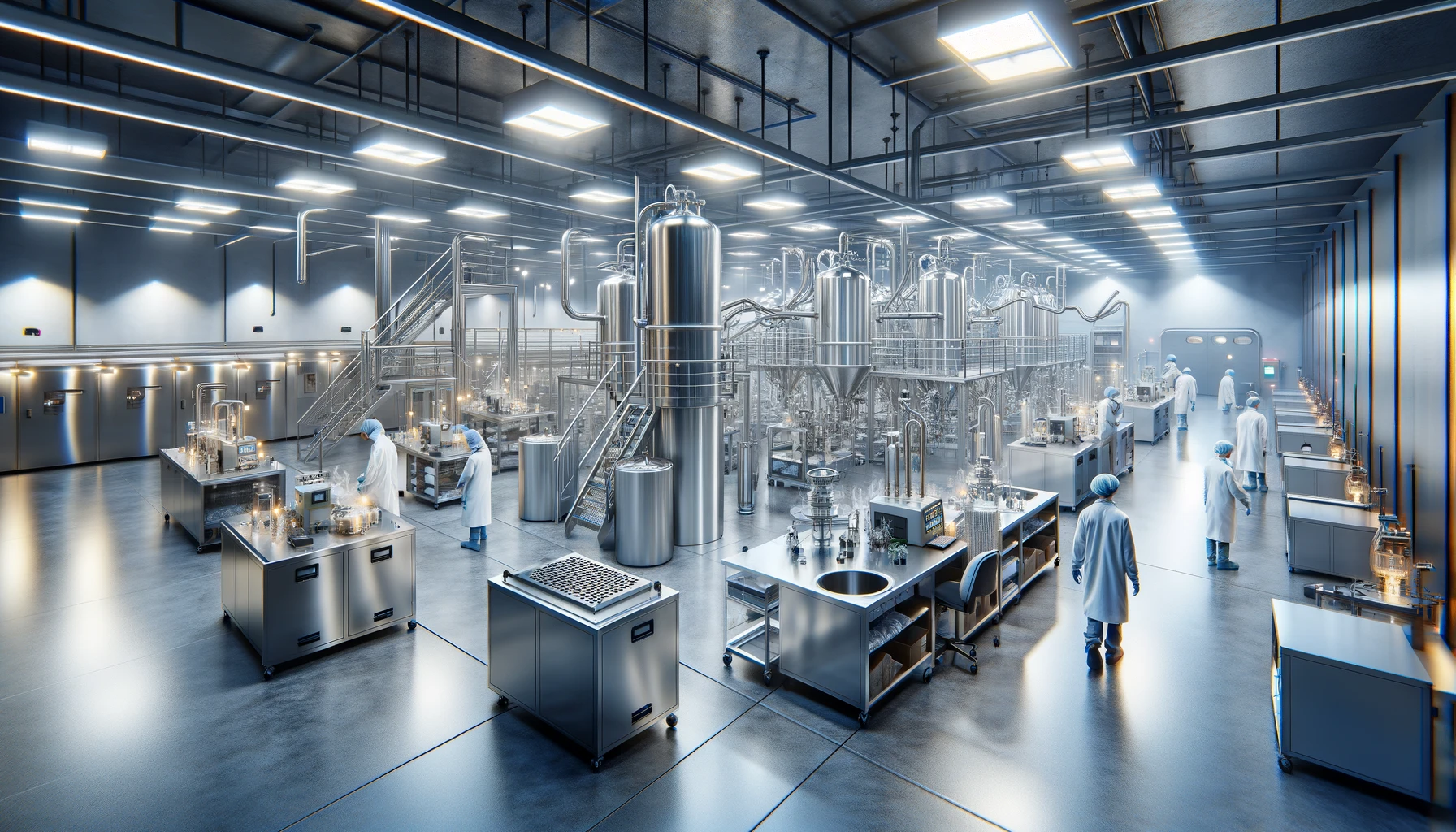
Raw biomass fluctuates. Your hardware cannot. Facilities bleed capital when extraction technicians rely on factory-default equipment settings instead of batch-specific calibration.
If a closed-loop system runs five degrees too hot, terpene degradation is instantaneous. You immediately lose the premium product tier. This is a common failure point in rapid-scaling operations where teams prioritize throughput volume over scientific precision. They skip daily sensor validations to save time.
A strict preventative maintenance schedule is entirely non-negotiable. Swap out degraded gaskets before they fail under pressure during a run. Recalibrate thermal sensors weekly. Precision protects your profit margins and prevents devastating batch rejections.
Frequently Asked Questions
What are the requirements to manufacture cannabis?
You need state-issued licenses, strict security infrastructure, and approved standard operating procedures. Facilities must pass fire marshals and state health audits before processing begins.
How is quality control maintained in production?
A reputed cannabis manufacturer maintains quality control through mandatory third-party lab testing. Every batch requires a Certificate of Analysis (COA) proving it passes state thresholds for contaminants.
What certifications does a cannabis manufacturer need?
Operations require local municipal approvals, state manufacturing licenses, and often GMP (Good Manufacturing Practice) certification, depending on the jurisdiction.
How do you ensure compliance with New York laws?
By utilizing integrated track-and-trace software and retaining legal counsel specialized in regulatory shifts. Compliance requires daily monitoring of state bulletins.
What happens if a product fails state testing?
The batch is quarantined. Depending on the contaminant, it may undergo remediation. If remediation fails, the state mandates total destruction of the product.
Your Shortcut to Global Compliance and Market Dominance
Securing your license is only the baseline. Operational longevity requires uncompromising adherence to state laws and rigorous internal auditing. Capital Region Co. operates as the premier processing facility designed to execute the exact frameworks required to keep your production lines running. As a leading cannabis manufacturer, we eliminate the guesswork from state regulations. We build systems that pass audits.














.jpeg)


.png)
.png)

.png)

.png)
.png)
.png)
.png)
.png)


