How Cannabis Brands Win in New York’s Competitive Market?

Objective

Securing shelf space for Cannabis brands in New York demands more than just a loud logo. This guide breaks down the logistical grit and operational precision needed to survive the city’s regulatory warzone.

Key Takeaways

  • "Middle mile" logistics are the actual king of the market. Marketing is secondary. If you can't move product, you don't exist.
  • Retailers want transparency. Honesty about your supply chain is the only way to build trust that doesn't evaporate in this city.
  • Craft brands are beating the big MSOs. They get the NYC culture. Authenticity sells better than corporate backing.
  • Running out of inventory is a death sentence. One stockout and your shelf space is gone. Forever.
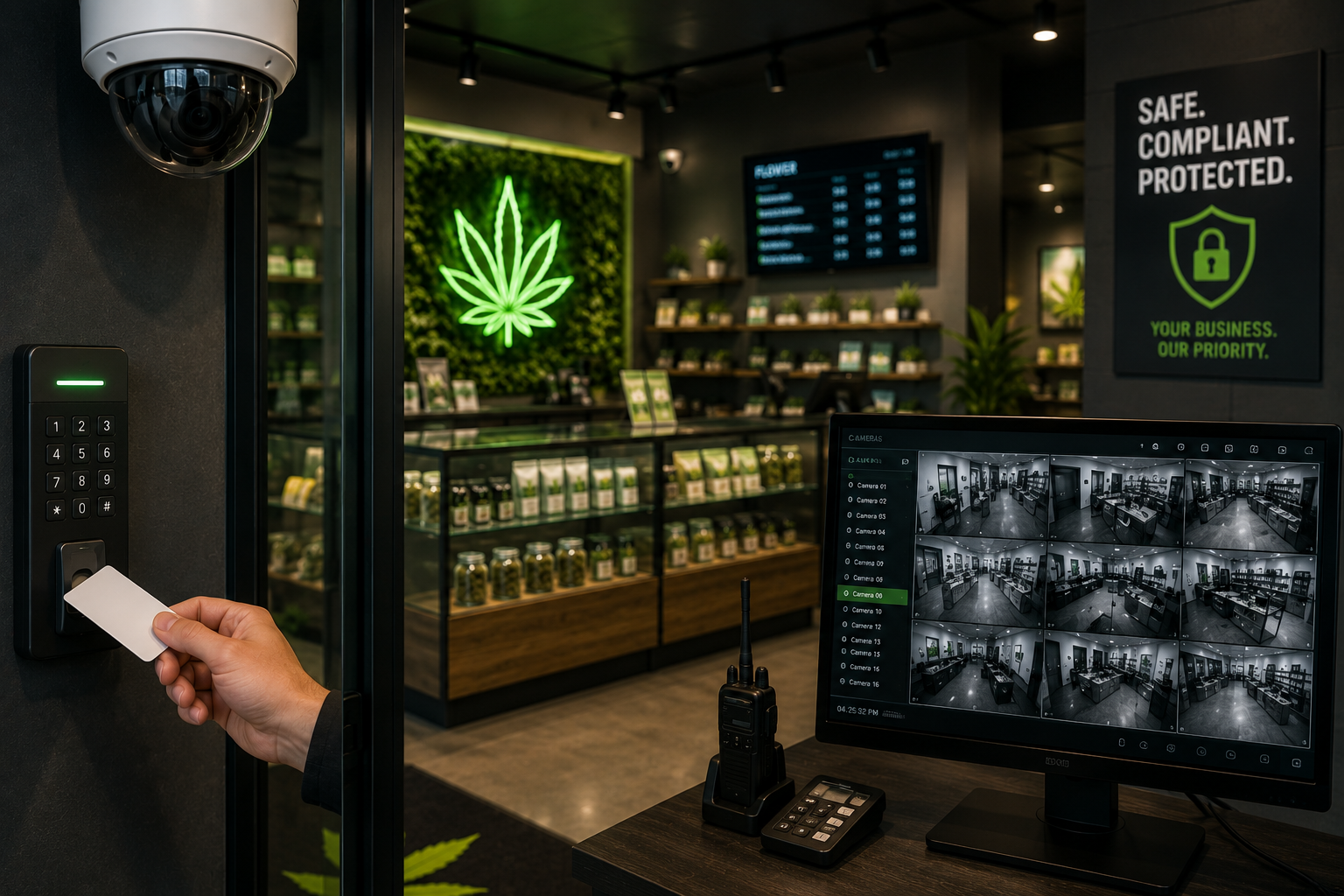
  • Procurement is your compliance shield. Mess up the paperwork, and the state will shut you down before the first sale.

Winning Strategies for Cannabis Brands in New York

Winning in the Empire State demands infrastructure that withstands the city’s complex regulatory weight. You aren't just selling flowers; you are selling a promise that the shelf will never be empty. If you cannot fulfill that, a competitor will replace you by the next business day.

Demand remains a constant force. In 2023, 16% of adult New Yorkers reported cannabis use within 30 days, mirroring 2022 figures (nyc.gov). This stability proves a massive base of active users exists, yet it also triggers fierce competition for limited retail space.

Ignoring the logistical reality leads to certain failure. A brand without a distribution spine is a hobby. Hobbies don't survive $50,000 monthly retail rents. Settling for mediocre logistics results in a swift market exit as retailers pivot to partners offering 24-hour replenishment.

Why is the environment shifting for Cannabis brands in New York?

The sheer volume of players in the space has created a buyer's market where dispensaries are no longer desperate for any product; they are desperate for the right product delivered with precision. In 2023, you could sell almost anything. In 2026, if your COAs are late or your packaging is slightly non-compliant, you are off the floor. The environment has shifted from a "gold rush" to a "war of attrition" where the winners are those who can handle the administrative nightmare of the OCM while maintaining high-quality flower standards.

Navigating cannabis brand partnerships in NY

Strategic alliances are the only way to bypass the massive capital requirements of vertical integration. We are seeing a surge in cannabis brand partnerships in NY between small-scale cultivators and large-scale processors. These partnerships allow brands to lean on existing infrastructure. You provide the genetics; they provide the lab and the distribution license. It sounds simple, but the contracts are where the disasters happen. If you don't have a partner who understands the specific NYC municipal codes, your partnership is a liability. You need someone who knows the bridge tolls, the loading zone hours, and the specific compliance quirks of Manhattan retail.

CTR

Shatter the illusion that quality alone wins. Precision in delivery is an urgent requirement for survival. Book A Call Now.

What defines the survival rate for New York cannabis brands today?

The survival of local operators often depends on their ability to manage the "middle mile" crisis. This is the dead zone between the harvest and the retail counter where profit margins evaporate. Many operators underestimate the cost of specialized transport and climate-controlled storage. In New York, "climate-controlled" isn't a luxury; it’s a regulatory and quality necessity. If your product sits in a hot van on the BQE for three hours, your terpene profile is ruined, and your brand value plummets before the customer even sees the jar.

Scaling and the "Middle Mile" Crisis

Success in scaling is measured in replenishment rates. Brands that can fulfill an order within 24 hours are seeing 40% higher retention than those that operate on a 5-day lead time. The city moves too fast for traditional agricultural timelines. Retailers want just-in-time delivery to keep their vault space optimized. If your brand requires a dispensary to sit on six months of inventory, you are a financial burden to them. You must become the solution to their inventory headaches, not the cause of them.

FAQs

How do I get my brand into NYC dispensaries?

Getting into NYC dispensaries requires a mix of compliant packaging, lab-tested product, and a "sell-through" strategy. It is vital for Cannabis brands in New York to provide the dispensary with a reason why their brand will move faster than the five others sitting in their vault.

What are the biggest challenges for New York cannabis brands?

The biggest challenges include high taxation, intense competition for shelf space, and the complex logistics of moving product through a city with extreme traffic and strict law enforcement oversight.

Is white-labeling a good idea in New York?

White-labeling allows for rapid entry, but it often dilutes brand identity. If multiple brands use the same bulk flower from one grower, they compete only on price, which is a race to the bottom.

What defines "Connoisseur-grade" in NY?

In the NY market, connoisseur-grade is defined by the "Three S's": Smoothness, Scent, and Structure. More importantly, it is verified by clean COAs that show zero residual heavy metals or pesticides.

How much does it cost to launch a brand?

Most brands need at least $250,000 to $500,000 in liquid capital just to survive the first six months of operation without a guaranteed profit while navigating initial inventory and compliance.

Your Shortcut to Seamless Market Integration for Cannabis Brands in New York

Navigating the administrative and logistical hurdles of the Empire State is a relentless burden that ruins even the best cultivators. While your focus should be on the product, the reality is that the "red tape" usually wins. All Zones acts as the essential bridge to ensure that quality remains accessible and streamlined. We simplify the complexity of procurement and the middle-mile crisis so you can focus on the experience rather than the logistics. If you are ready to elevate your standards and secure your spot on the shelf, the solution is right here. Book A Call Now.


Recent Blogs

How Cannabis Brands Win in New York’s Competitive Market?

Success for cannabis brands in New York depends on mastering middle-mile logistics, airtight compliance, and rapid replenishment—not just branding. Retailers demand transparency, consistent inventory, and regulatory precision. Craft authenticity wins, but without operational infrastructure and procurement discipline, even premium brands lose shelf space fast.

right-up

Seed-to-Sale Tracking in NY Cannabis: What Brands and Retailers Must Know

This blog explains how seed-to-sale tracking works in New York and why METRC New York compliance is mandatory for licensed cannabis businesses. It highlights key duties like real-time inventory reporting, tagging, onboarding, and workflow adjustments for brands and retailers. The guide also shows how strong systems and partnerships help businesses maintain accuracy, avoid penalties, and operate smoothly.

right-up

How Cannabis Compliance Works in New York: From Cultivation to Retail?

This article explains how cannabis compliance works in New York, from cultivation to retail. It outlines the role of the Office of Cannabis Management and key requirements such as licensing, tracking, testing, and reporting. The guide helps licensed cannabis businesses understand NY regulations while supporting safe operations and long-term stability.

right-up

How Cannabis Cultivation Services Can Help Small Brands Compete in NY

This blog explains how cannabis cultivation services in New York help small cannabis brands compete in a highly regulated market. It highlights how licensed cultivation partners reduce costs, ensure compliance, and deliver consistent product quality. By working with trusted cultivation services, small brands can scale efficiently, meet state regulations, and focus on building strong relationships with retailers and consumers across New York.

right-up

Why White Label Cannabis Is Popular Among Dispensaries

New York has strict rules for cannabis production and sales. Different licenses are needed for cultivation, processing, and distribution. Because of this, white label cannabis New York services are especially valuable for businesses that want to operate legally without holding many licenses.

right-up

Vertically Integrated Cannabis Company NY: How Capital Region Co. Does It Differently

New York’s growing cannabis market needs reliable systems. Capital Region Co. uses vertical integration to connect cultivation, processing, distribution, and brand support improving quality, compliance, and stability for partners, retailers, and consumers across the state.

right-up

5 Benefits of Professional Cannabis Trimming and Curing Services in NY

Cannabis trimming and curing services in New York help growers achieve consistent quality, preserve aroma and potency, prevent post-harvest problems, maintain regulatory compliance, and reduce harvest-time stress. By using professional post-harvest support, licensed operators can protect each crop and deliver dependable, compliant cannabis to the market.

right-up

A Complete Guide to Cannabis Retail Partnerships in New York

Cannabis retail partnerships in New York help licensed dispensaries stay compliant, stocked, and reliable as the legal market grows. These partnerships connect growers, processors, distributors, and retailers to ensure tested products, steady supply, and smooth operations. Companies like Capital Region Co., New York support retailers by handling cultivation, processing, and distribution, allowing dispensaries to focus on customer experience and long-term growth.

right-up

How to Find a Reliable Cannabis Supply Chain Partner in New York?

Finding a reliable cannabis supply chain partner in New York requires careful verification of state licensing, product testing, and compliance practices. Businesses should confirm licenses through official records, review Certificates of Analysis, understand traceability systems, and evaluate logistics and consistency to ensure legal safety, quality, and long-term stability.

right-up

White Label Cannabis New York Services: How Capital Region’s Cultivation Can Help You Scale

White label cannabis in New York allows brands to enter the market without operating their own licensed facility by partnering with an experienced operator. Capital Region Co. supports this model by handling cultivation, processing, compliance, packaging, and distribution, helping brands scale efficiently while maintaining quality, consistency, and regulatory compliance.

right-up

Cannabis Distributor New York: Why Capital Region Is the Partner Brands Trust

Cannabis distributors like Capital Region Co. play a crucial role in New York’s legal market by ensuring compliant, secure transportation, and supporting brands with reliable logistics, regulatory expertise, and safe handling practices.

right-up

Cannabis Wholesale Distribution: How Capital Region Co. Connects Growers and Retailers

Cannabis wholesale distribution in New York, led by companies like Capital Region Co., streamlines logistics, ensures compliance, and connects growers with retailers, making the market more efficient and accessible for both sides.

right-up

Why Choosing the Right Cannabis Distributor in New York Matters for Cultivators

New York’s cannabis industry is growing fast, but growth alone isn’t enough. For cultivators, success depends on what happens after the harvest. Getting your product to the right shelves requires a distributor who understands the market, honors your craft, and protects your reputation at every step.

right-up

New York Cannabis Cultivation: How Licensed Operators Are Reshaping the Legal Market

New York has some of the strictest cultivation regulations in the country. You can’t just rent a warehouse, plug in lights, and start growing. Every operator must meet requirements around facility design, security, traceability, environmental controls, and plant tracking.

right-up
Icon