
The legal cannabis industry in New York has presented entrepreneurs with a real opportunity. However, just being excited is not enough to put your brand on the shelves. The very first step taken by most startups is to figure out the estimate of how much does it cost to start a cannabis business in New York. Knowing how much it will cost you to launch your cannabis company will help you prepare for the fact that the expenses will be somewhere from $150,000 in the case of a lean and partnership-based model of launching a company to over $1 million.
Companies like Capital Region Co. make such a process more convenient, providing a licensed facility for cultivation, processing, and distribution.
What Are the Variables That Impact the Costs of a Cannabis Startup in NY?
Each startup venture in New York will have a different initial price range based on the way the Office of Cannabis Management structures its licenses based on whether a person wants to cultivate, manufacture, distribute, or simply just sell an end product under their brand name. The price tag for a micro-business license is much less than a fully vertically integrated venture, and location makes a difference as well, as property in New York City is much more expensive than property in the Capital Region or upstate.
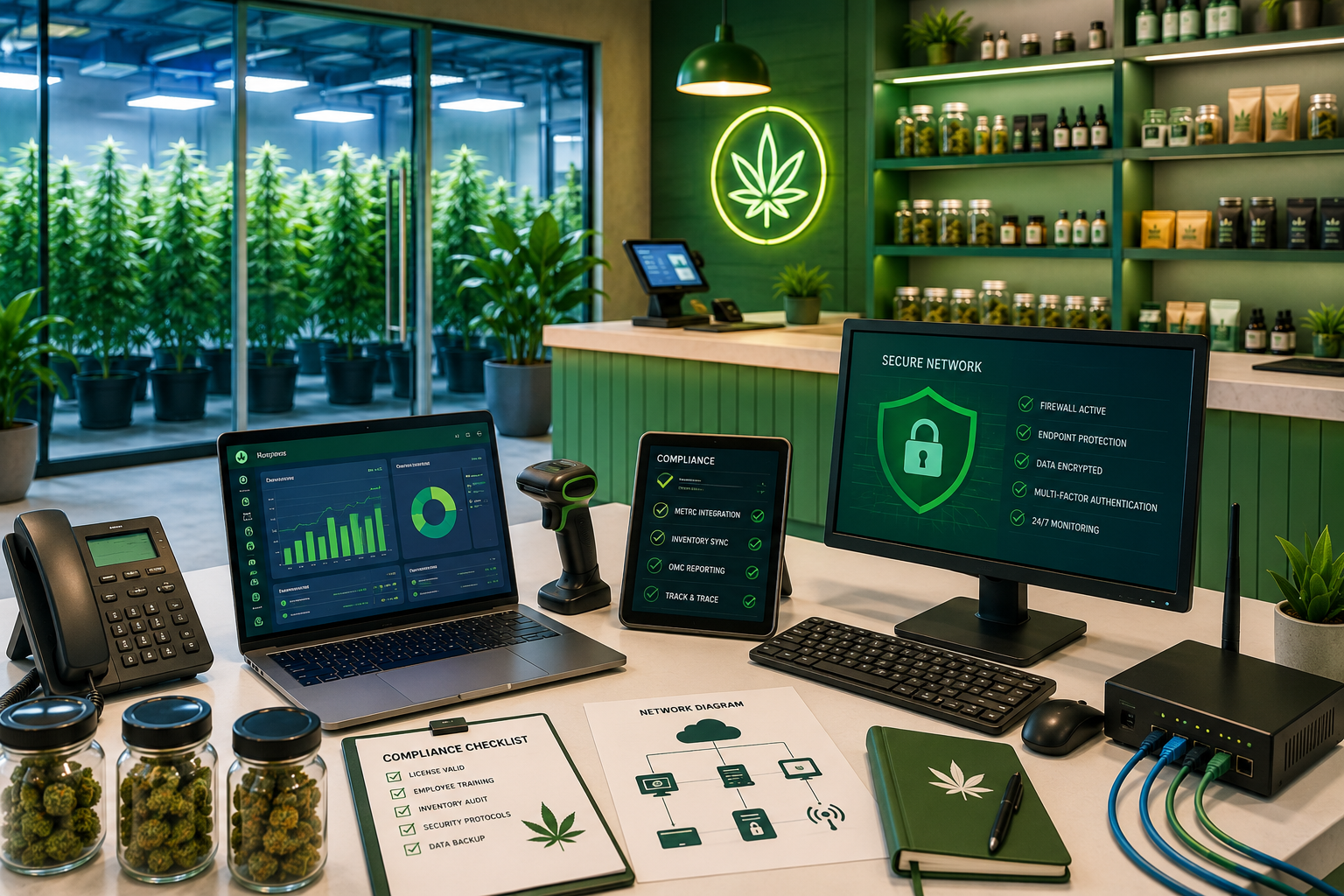
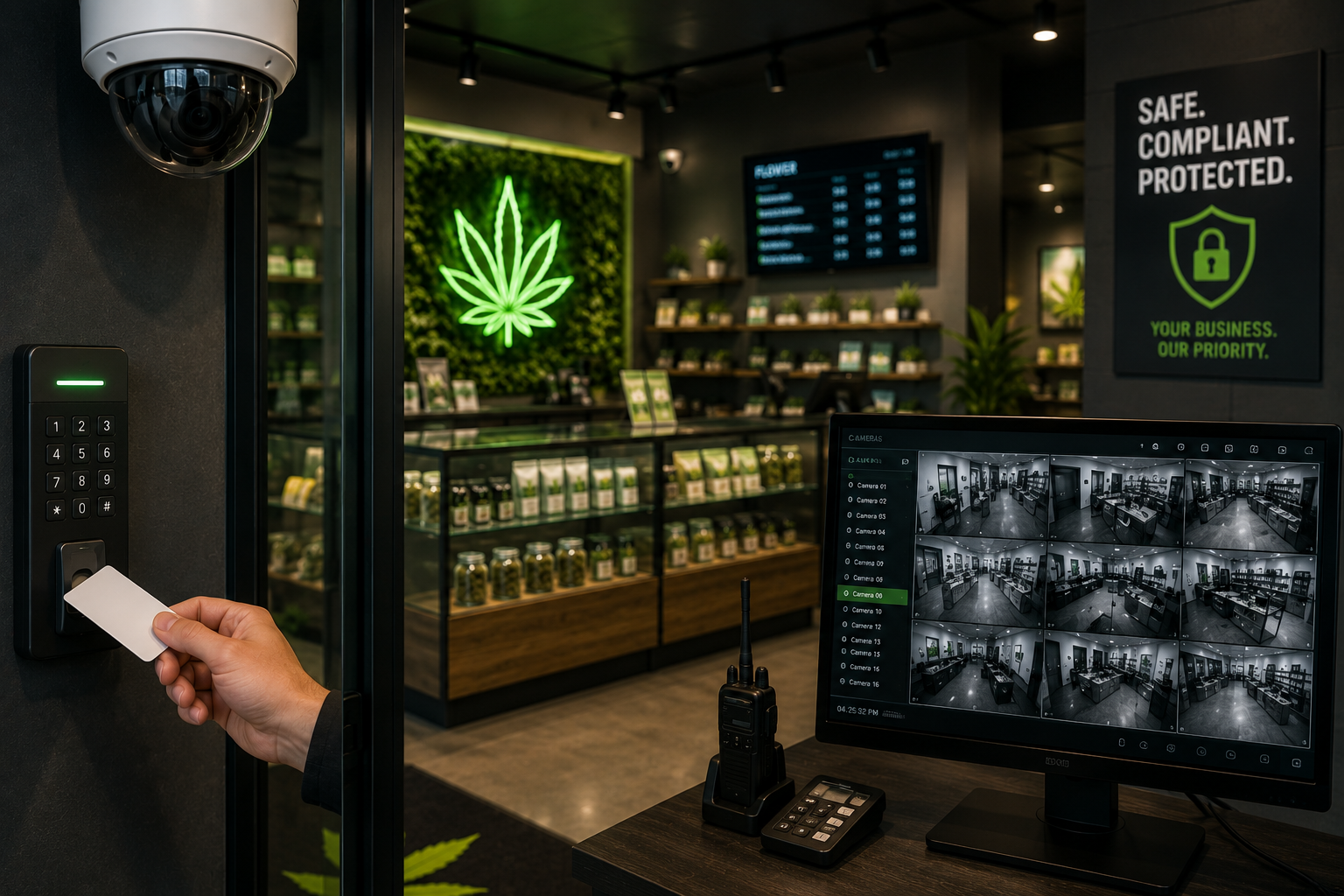
Additionally, insurance, security system installations, and compliance software represent ongoing expenses that are often overlooked by entrepreneurs at the beginning stages when first creating a budget. The method used to get into the market will determine the initial cannabis business startup costs in NY, as some brands opt to invest in cultivating and manufacturing capabilities independently, whereas others choose to team up with an existing licensed operator to cut down their cost of entry.
Costs of Starting a Cannabis Brand from Scratch
When breaking down the costs, it is helpful to categorize them. A cannabis brand startup cost in New York would be as follows:
- Cost of licensing and application: It will depend on the type of license and can range from a few thousand to more than $50,000.
- Buildout of the facility: This includes cultivation rooms, laboratories, and retail stores that comply with the regulations of New York.
- Purchase of equipment: It can be extractor, trimmer, or packager machines.
- Consulting, compliance, and legal fees: For navigating through New York's complex cannabis regulations.
- Start-up costs: For example, inventory, branding, marketing, and staffing costs.
The above amounts change depending on whether the founder works independently or with a partner who has cultivation and processing licenses.
Cannabis Processing & Product Development Costs
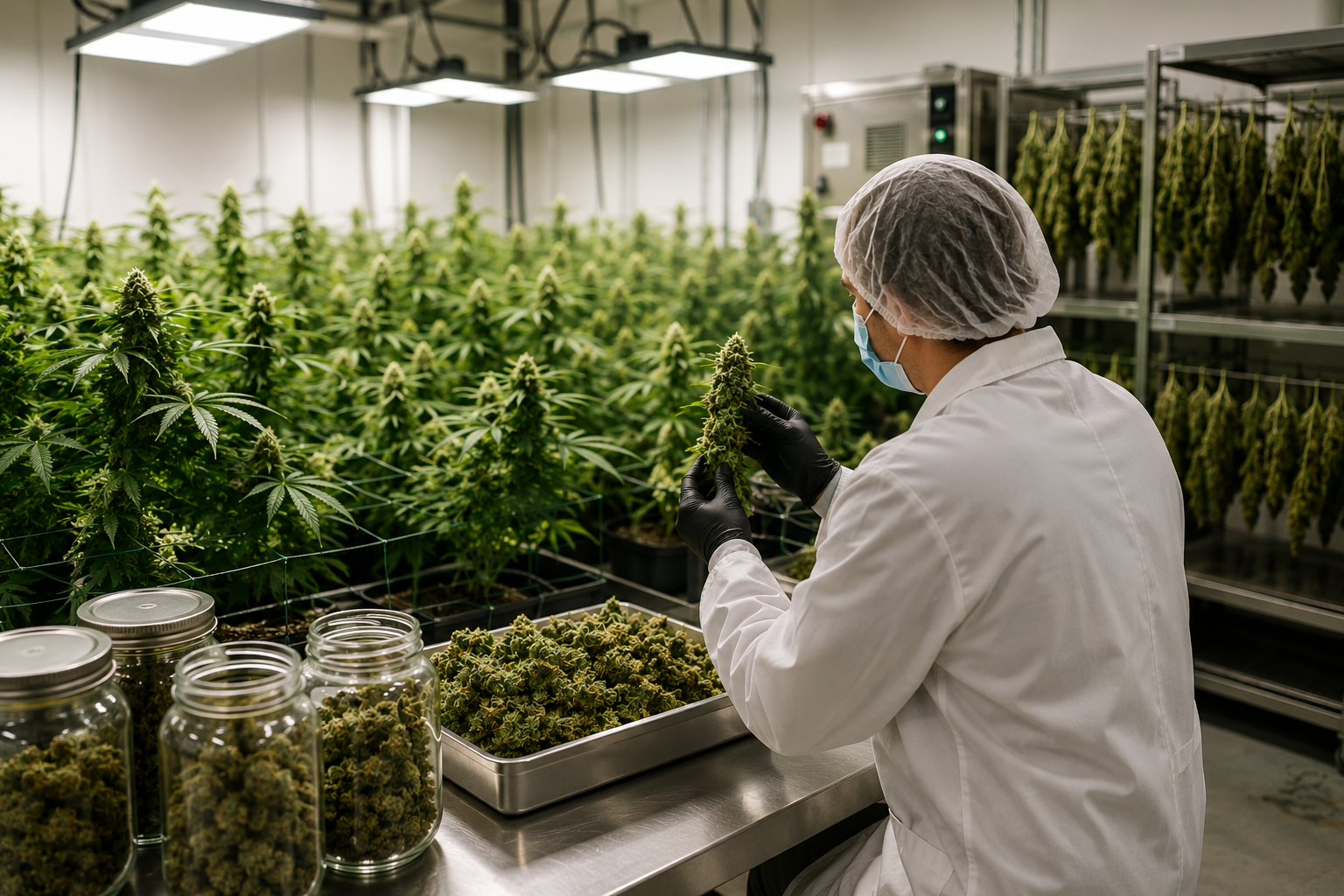
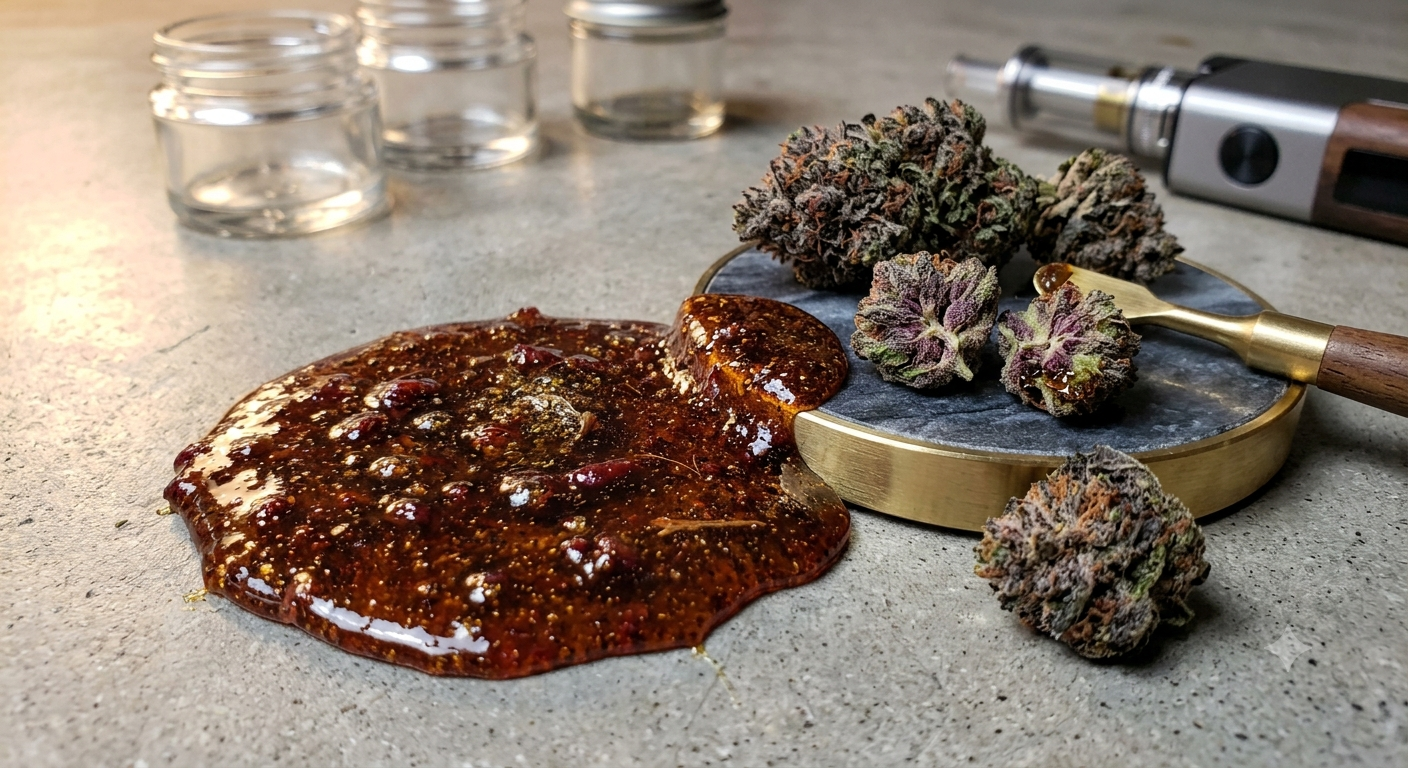
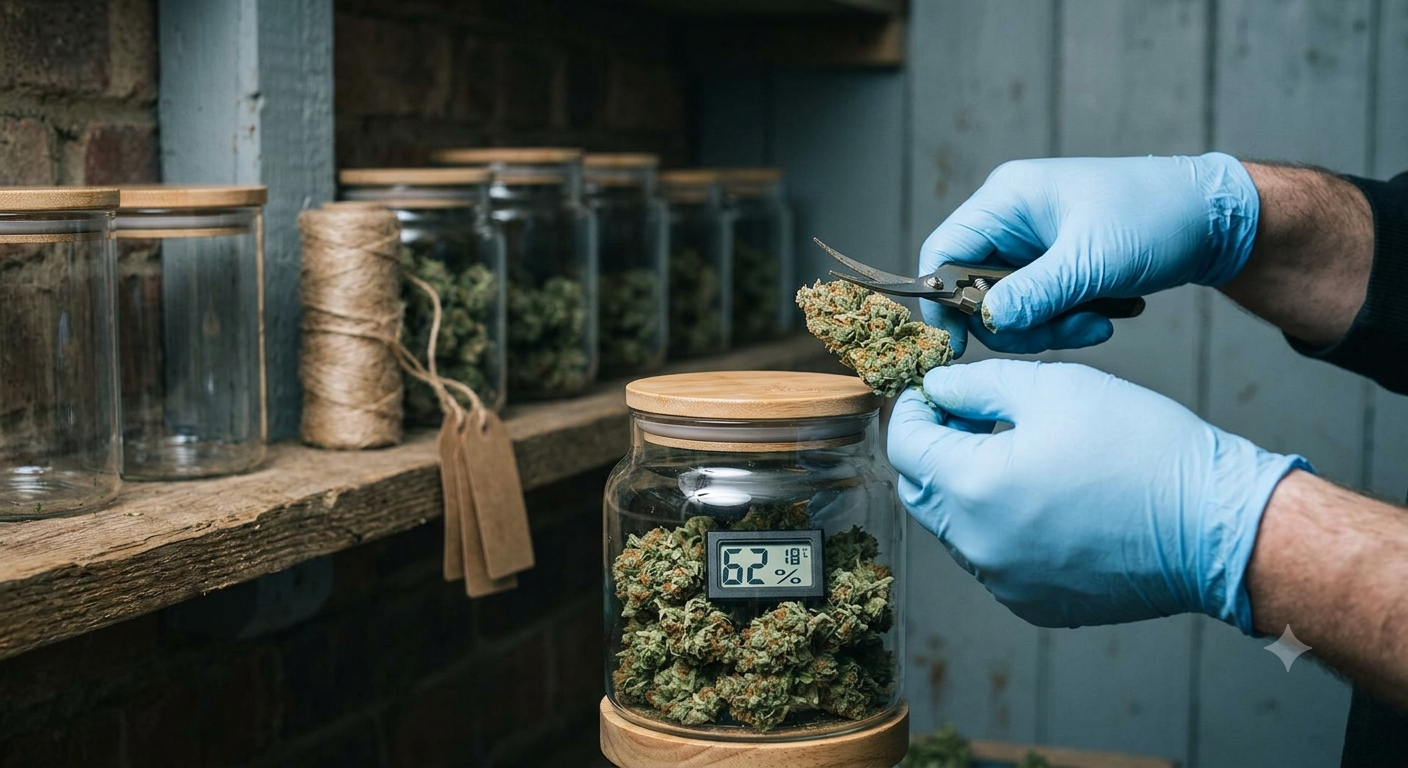
When cannabis flowers are ready, it needs to be processed to become a sellable product, which also comes at a certain cost. Cannabis processing includes extraction, distillation, and formulation procedures that transform raw material into oils, concentrates, edibles, or vape cartridges. Cannabis processing equipment is costly, while launching an operating processing lab that is compliant with the regulations demands qualified personnel and regular lab testing. Therefore, a founder spends quite a lot of money on this process even before getting the first product on the shelf.
Cannabis product development is no less important than processing for branding purposes. When creating cannabis products, one needs to develop a recipe, conduct a number of tests related to the concentration of ingredients, taste, and effects, and refine it as needed to make the product effective in all aspects. Those brands that neglect this phase of research spend more money later.
What Are the Packaging, Labeling, and Ongoing Compliance Costs?
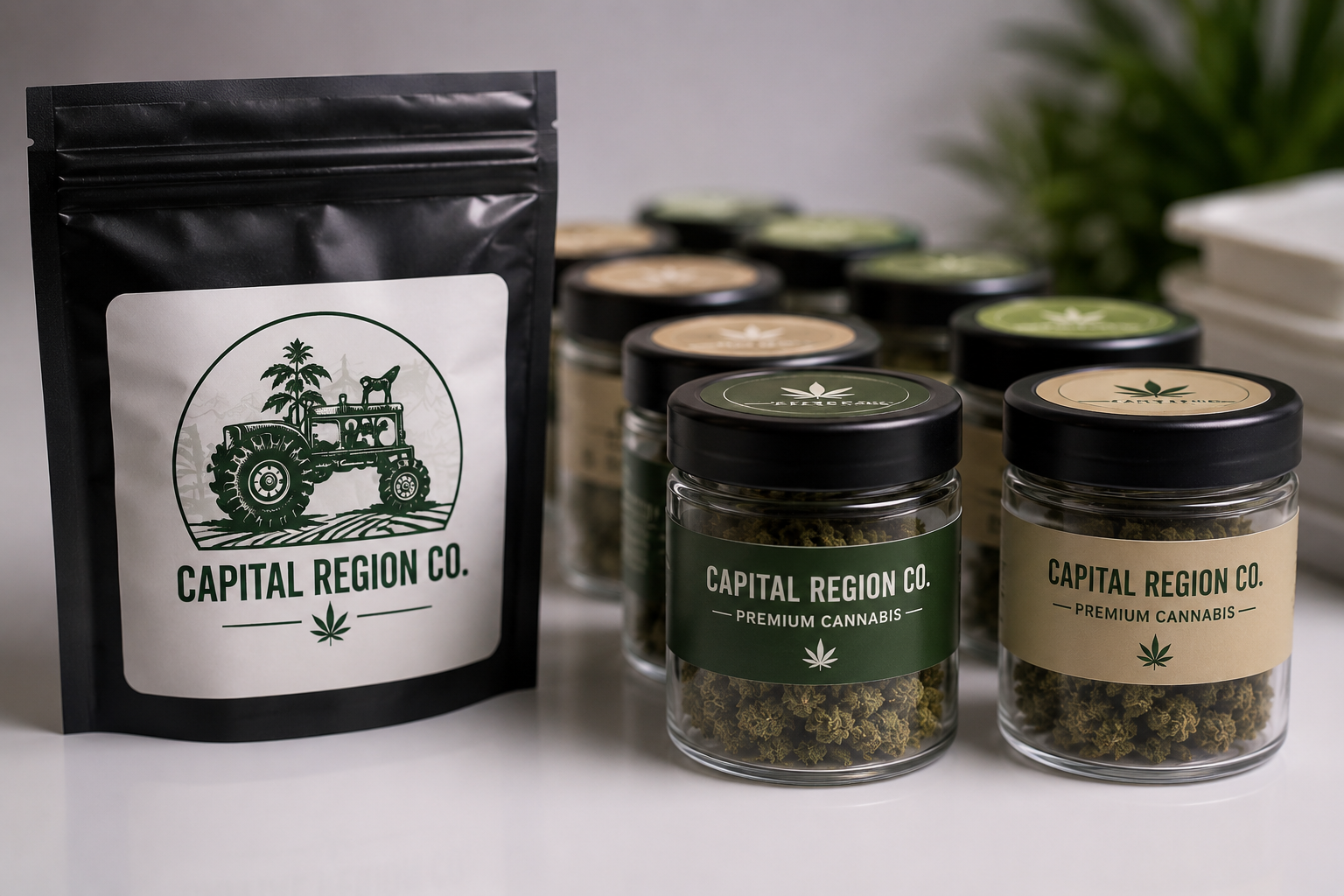
A New York product that isn't in full compliance with the strict packaging regulations could result in a delay in launch by several months. The requirements of cannabis packaging and labeling in New York include child-proof packaging, accurate information about the strength of the product, and mandatory warnings from the state. Having a partner who has the knowledge to navigate these regulations can prevent errors in compliance that cause a product to fail testing.
The recurring post-launch costs are just as important as the initial costs and include the following monthly expenses:
- Costs associated with compliance reporting and the use of the state's seed-to-sale tracking system.
- Testing costs for each batch before sending it to a dispensary.
- Fees associated with distribution and logistics of the product throughout the state.
- Marketing and branding costs.
- Employee salaries and facility maintenance.
Is There a Case for White Label Cannabis For New Brands?
New businesses wanting to skip facility construction can rely on white label cannabis in New York as a viable solution. In this scenario, the brand works with the existing licensee and gets the products manufactured by the latter under its name.
It saves money on buying equipment, constructing the facilities, and obtaining licenses, and allows the entrepreneur to focus the budget on marketing and other activities rather than on manufacturing. Many new business people opt for this method exactly because it helps them to minimize the expenditures of the start-up period.
Besides, it is safer for the brand, since it does not have to worry about any risks related to the process of cultivation and manufacturing, since everything will be done by an already licensed company. The business owner can concentrate on developing relationships and establishing customer loyalty.
A Budget Plan for Launching Your New York Cannabis Business
Numbers vary from case to case, but creating a realistic budget saves founders from the most frequent startup mistakes. Estimating such aspects as licensing fees, facilities requirements, processing volume, and packaging regulations helps a founder obtain a much more accurate budget estimation in comparison with an estimation based on national average statistics, since regulations and conditions in New York State are quite unique.
Being partnered with an already licensed company is the best approach to control cannabis business startup costs in NY and at the same time launch a product of good quality. Our team at Capital Region Co. has already created all the infrastructure needed for launching cannabis brands, and the launches of Revert and Golden Garden are evidence of our success.
Contact Capital Region Co. today and make your cannabis brand dream come true!
FAQs:
How long would it take a cannabis brand in New York to get from an idea into dispensaries?
This varies depending on the license type, as well as whether the founder operates independent of other operators or not. A cannabis brand that has a licensed process partner should be able to go to market in a few months, whereas building a cultivation facility may take at least a year.
Is it cheaper to grow your own cannabis or partner with an already existing cultivator?
It is definitely cheaper to partner with a cultivator since one does not have to incur the cost of facility construction, procurement of cultivation equipment, and even the cost of operating compliant cultivation facilities. On the other hand, in-house growing is very beneficial in terms of having complete control of supply and quality.
What hidden costs do first-time cannabis founders in New York often overlook?
Founders should know that they will have to incur expenses for compliance software, batch testing, and packaging designs due to labeling requirements. Insurance and security costs will also be higher than what one may estimate while formulating his/her budget.
Is it possible for a small cannabis brand to operate in New York without having its own processing equipment?
Yes, there are many smaller brands that are able to succeed by just using the services of other companies in the form of white label or co-packing rather than having to invest in equipment of their own. This allows them to allocate their money towards branding and marketing instead.
Does the type of cannabis product a brand sells change its startup budget significantly?
Without any doubt, because the brands that only produce flowers do not have the need for as much specialized equipment as those producing vapes, edibles, or concentrates.










.jpeg)

.png)
.png)

.png)

.png)
.png)
.png)
.png)
.png)


