
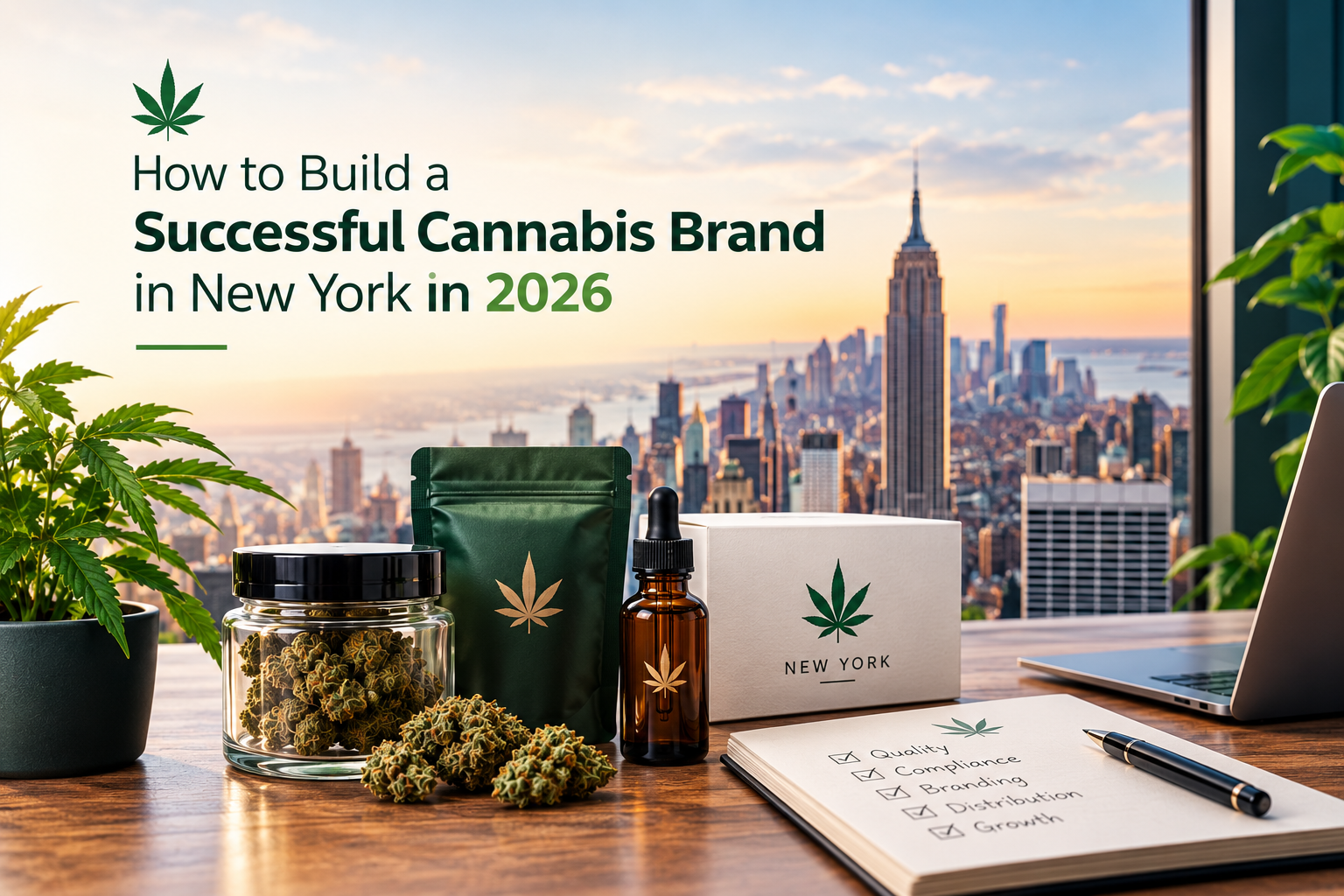
Marijuana legalization in New York has resulted in an exponential rise in the market in the region. Nevertheless, the presence of a good product does not necessarily make it a brand. It is important for the companies operating in the industry to balance quality and compliance, good community connections, as well as partnerships. Basically, the success of any cannabis brand in New York relies on proper cultivation, formulating, packaging, and distribution.
One such operator is Capital Region Co., which represents a licensed and vertically integrated cannabis business that fosters cultivation, manufacturing, and distribution of its products in the region. Working with brands such as Revert and Golden Garden gives founders an opportunity to have a working example.
What Makes a Cannabis Brand in New York Stand Out in 2026?
New York's adult-use market has matured past its early "any product will sell" phase. Consumers now compare lab results, packaging quality, and brand story before they buy. A New York cannabis brand that survives this shift usually has one thing in common: it treats branding as a long-term relationship, not a one-time launch.
This means founders need to think beyond flower quality. Retail buyers want consistency across batches, transparent testing, and a supply chain that doesn't break down during high-demand weeks. Brands that show up reliably, month after month, tend to earn shelf space that lasts longer than a seasonal trend.
How Do You Build a Cannabis Brand in New York From the Ground Up?
Founders often ask where to start when they want to build a cannabis brand in New York without an existing cultivation or manufacturing setup. The honest answer is that most successful brands don't try to do everything themselves. They lean on licensed partners for the parts that require heavy infrastructure and licensing.
A practical starting sequence looks like this:
- Secure your OCM license type and confirm your business structure early, since licensing delays are the most common launch bottleneck in New York.
- Choose a cultivation or processing partner instead of building a grow operation from scratch, unless you have significant capital and time.
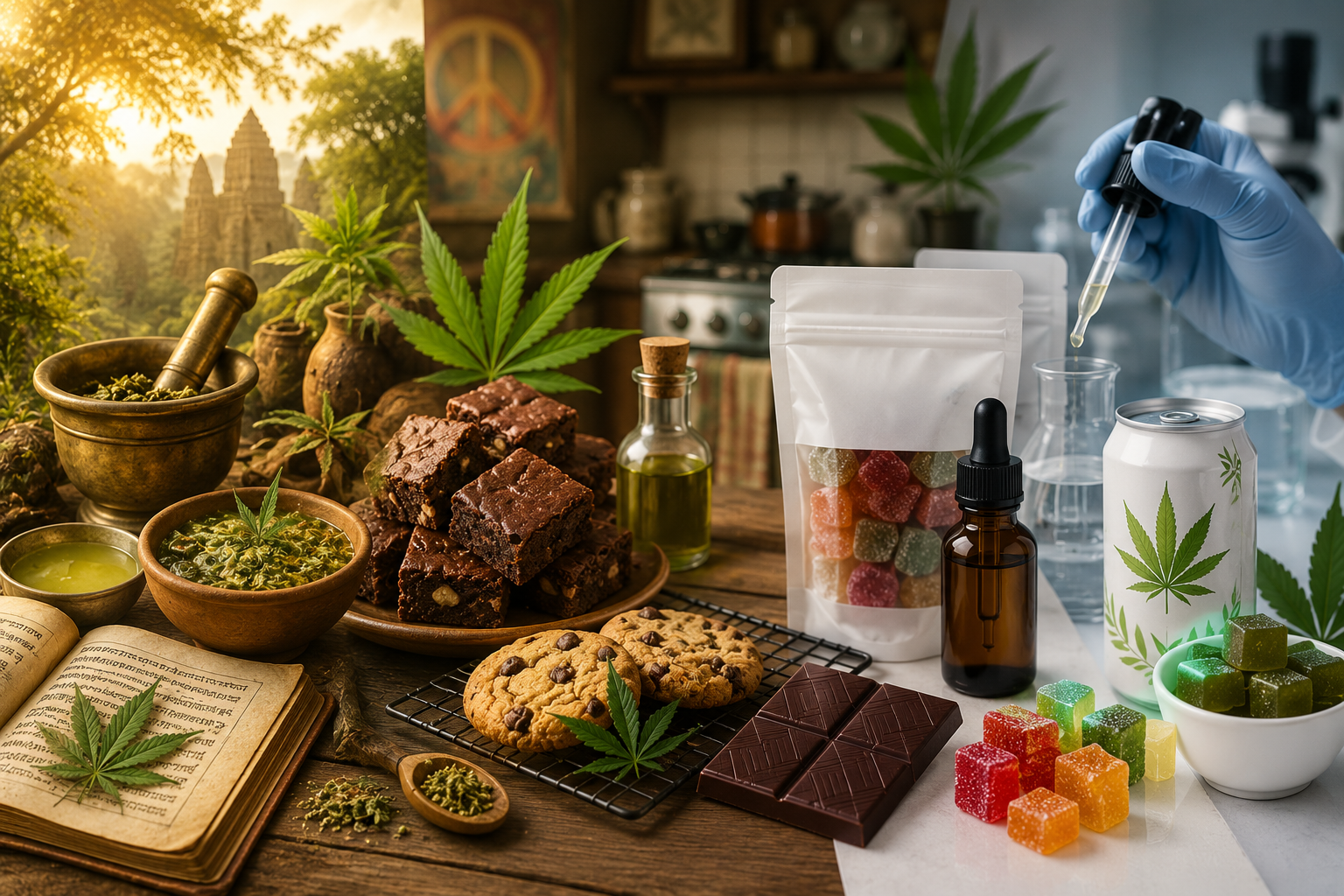
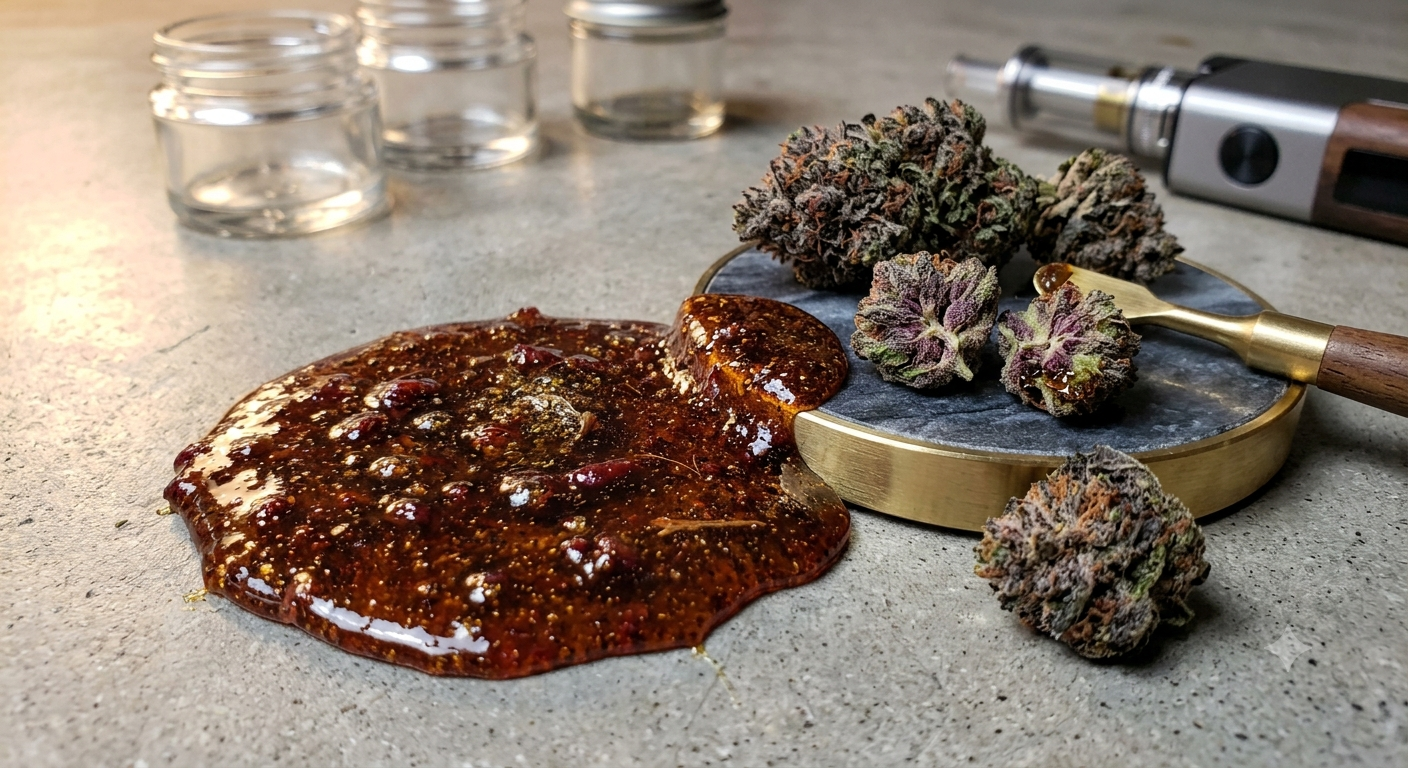
- Nail down your product line before your branding; flower, edibles, pre-rolls, and vapes each need different manufacturing capabilities.
- Test small batches with real consumers before committing to full production runs.
- Line up packaging and compliant labeling before your first harvest is ready, since New York's packaging rules are strict and slow-moving.
Why Cannabis Product Development Belongs at the Center of Your Strategy
It's tempting to focus on logo design and social media before the product itself is finished. But cannabis product development should come first, because everything else (pricing, marketing, retail pitches) depends on what you're actually selling. A brand built around a rushed or inconsistent product rarely survives its second production cycle.
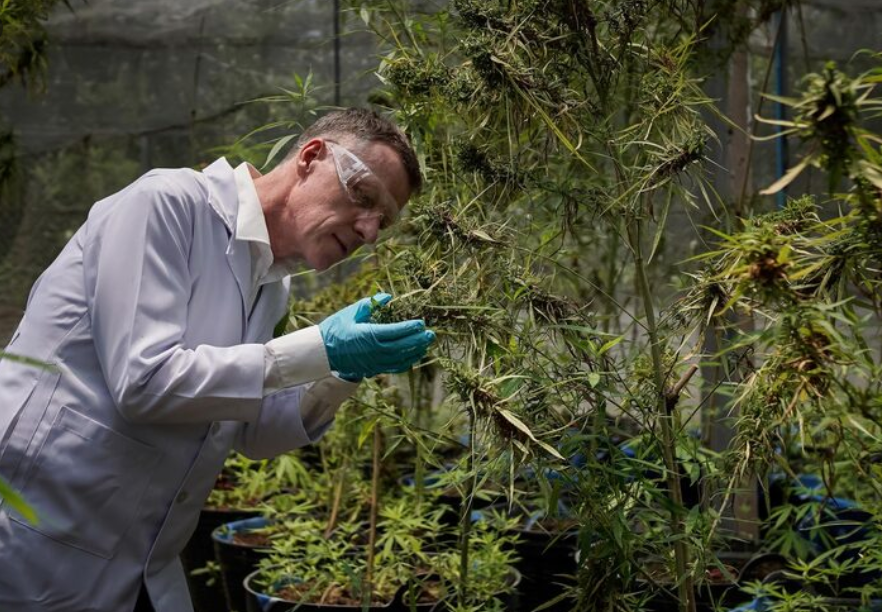
Good cannabis product development also means testing for more than potency. Flavor, terpene profile, shelf stability, and dosing consistency all affect repeat purchases. New York consumers, especially in New York City and the Capital Region, have grown more selective, and they notice when a product formula changes between batches.
What Does Running a Compliant Cannabis Business in New York Really Involve?
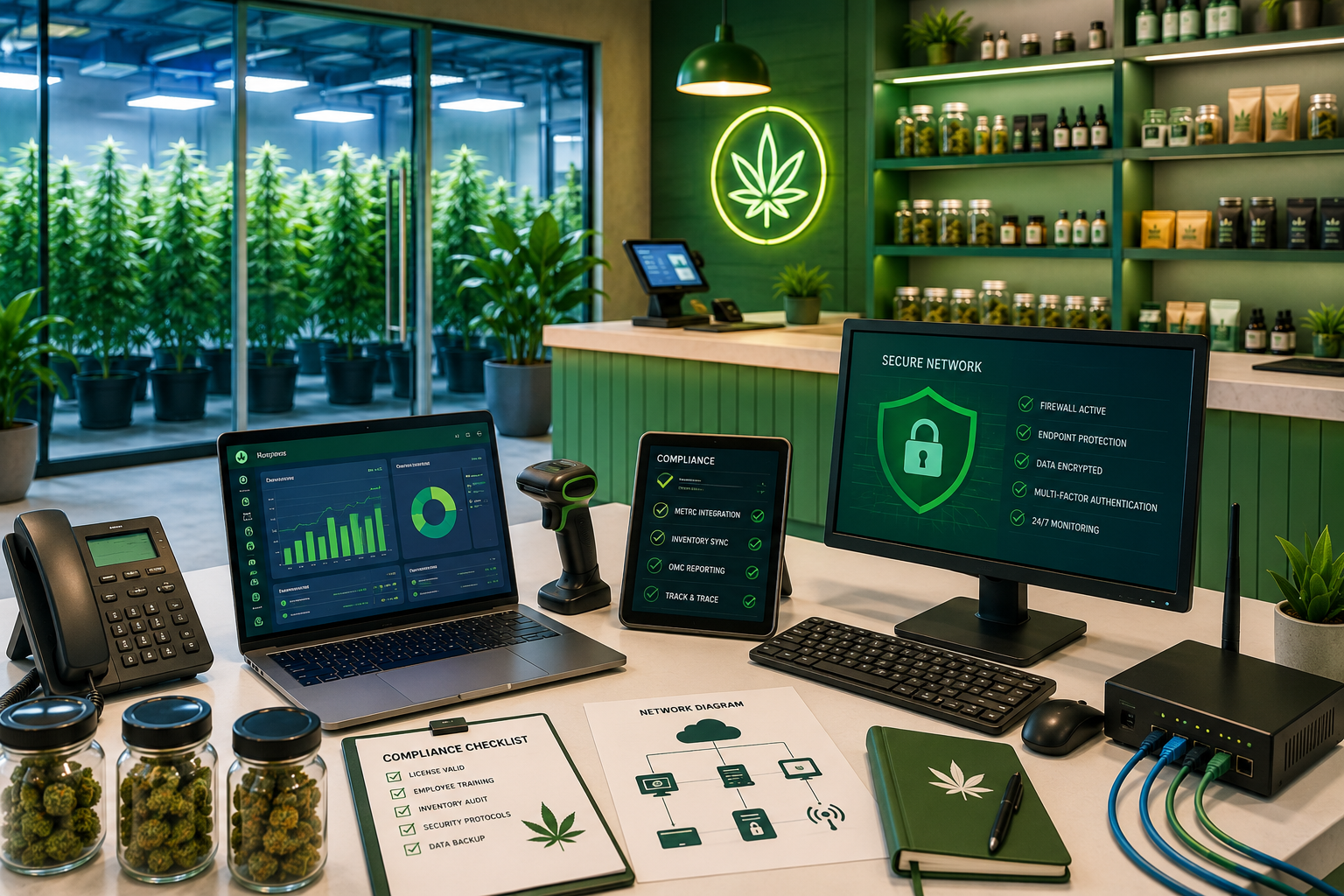
Compliance in New York cannabis isn't a one-time checklist; it's an ongoing operational habit. A cannabis business in New York has to track inventory through Metrc, follow strict marketing rules, and keep documentation ready for state audits at all times.
Founders who build their companies with compliance in mind from the very beginning won’t face the expensive delays that plague their slower competitors. It’s essential to stay up to date with:
- Metrc for each unit of the product, from start to finish.
- Regulations regarding advertising, such as packaging and youth marketing regulations.
- Lab tests for potency, pesticides, and contaminants.
- Local municipality rules, which can differ significantly from state-level regulations.
Picking the Right Cultivation, Formulation, and Distribution Partners
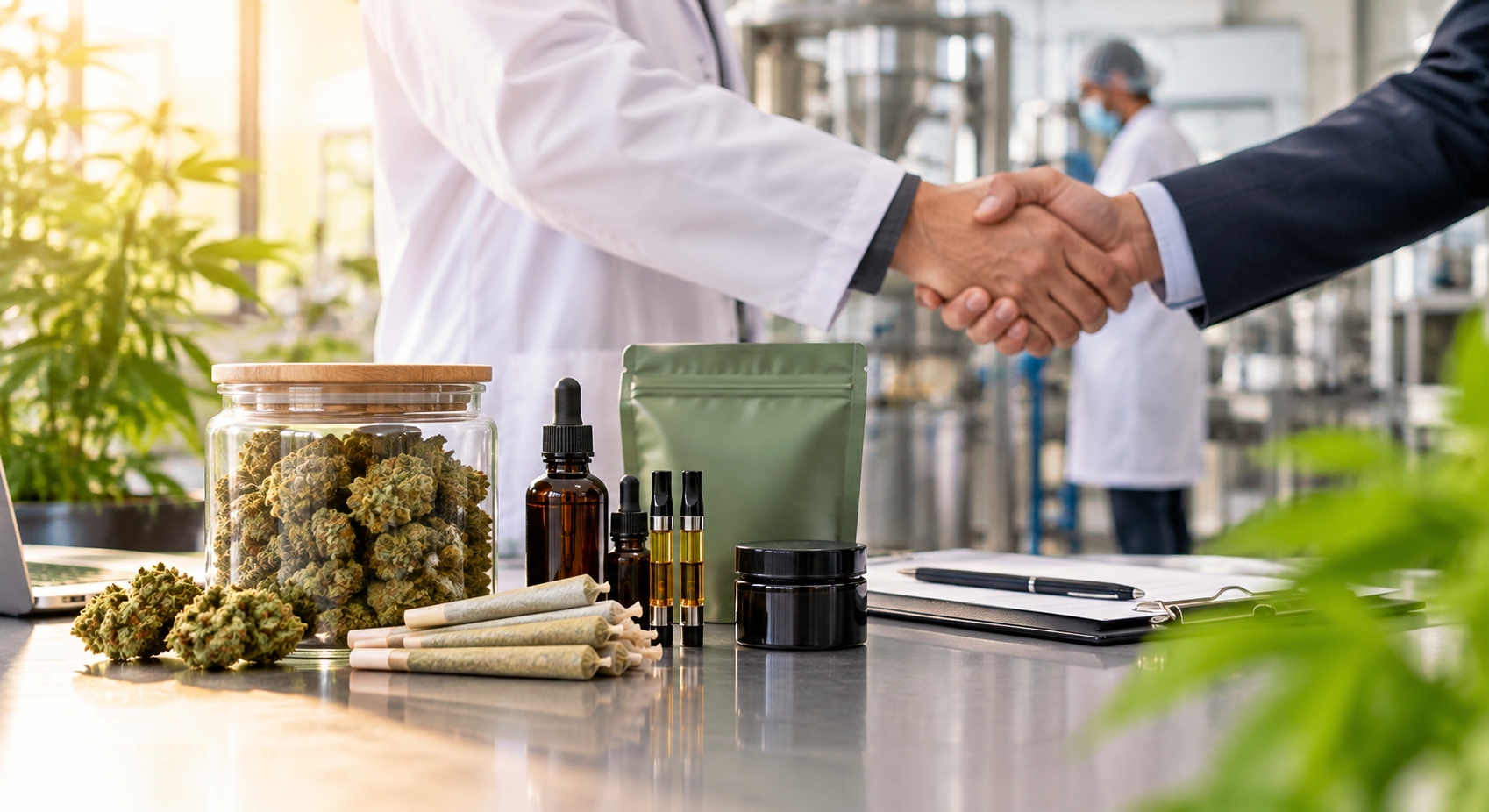
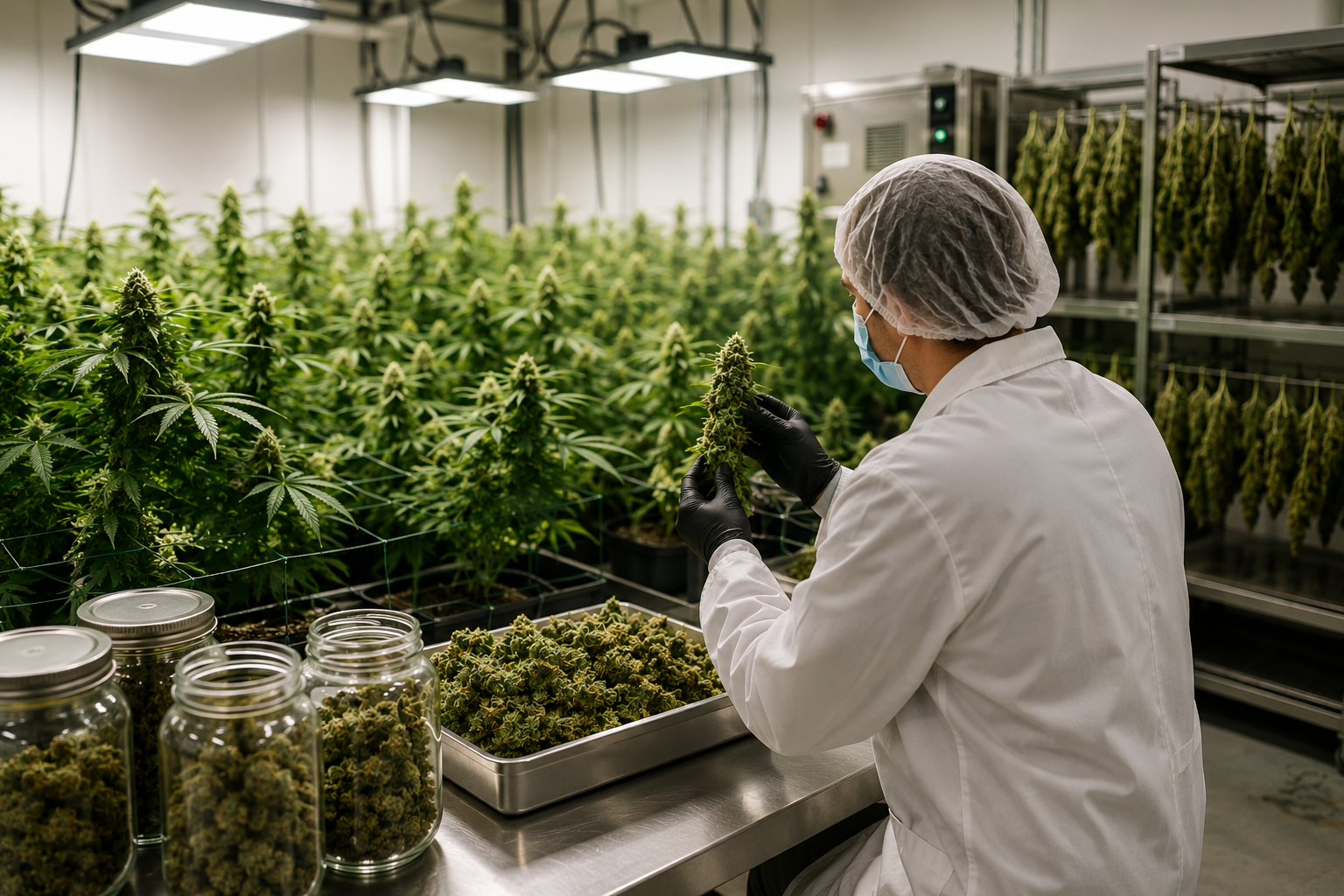
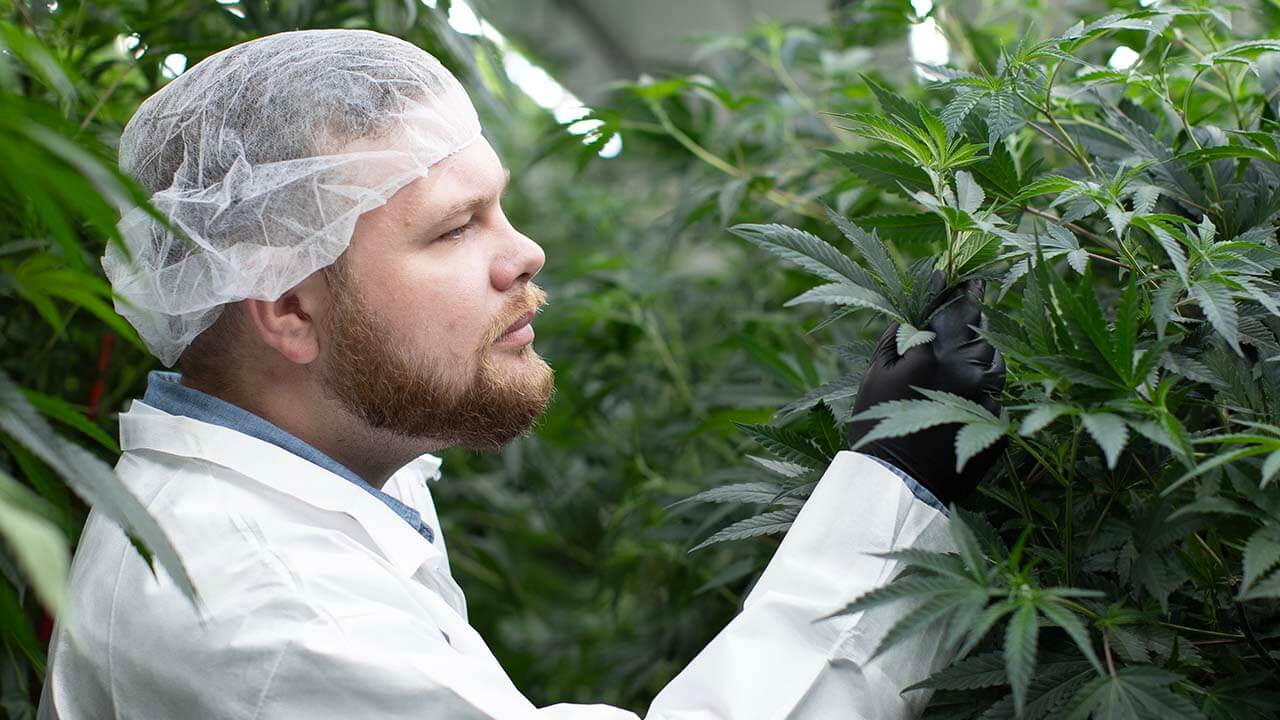
Few new cannabis founders in New York have the capital to run cultivation, manufacturing, and delivery trucks all at once. This is where partnering with an established operator changes the math. Working with a cannabis product formulation team in New York means your edibles, vapes, or pre-rolls get built by people who already know the state's dosing and labeling rules cold.
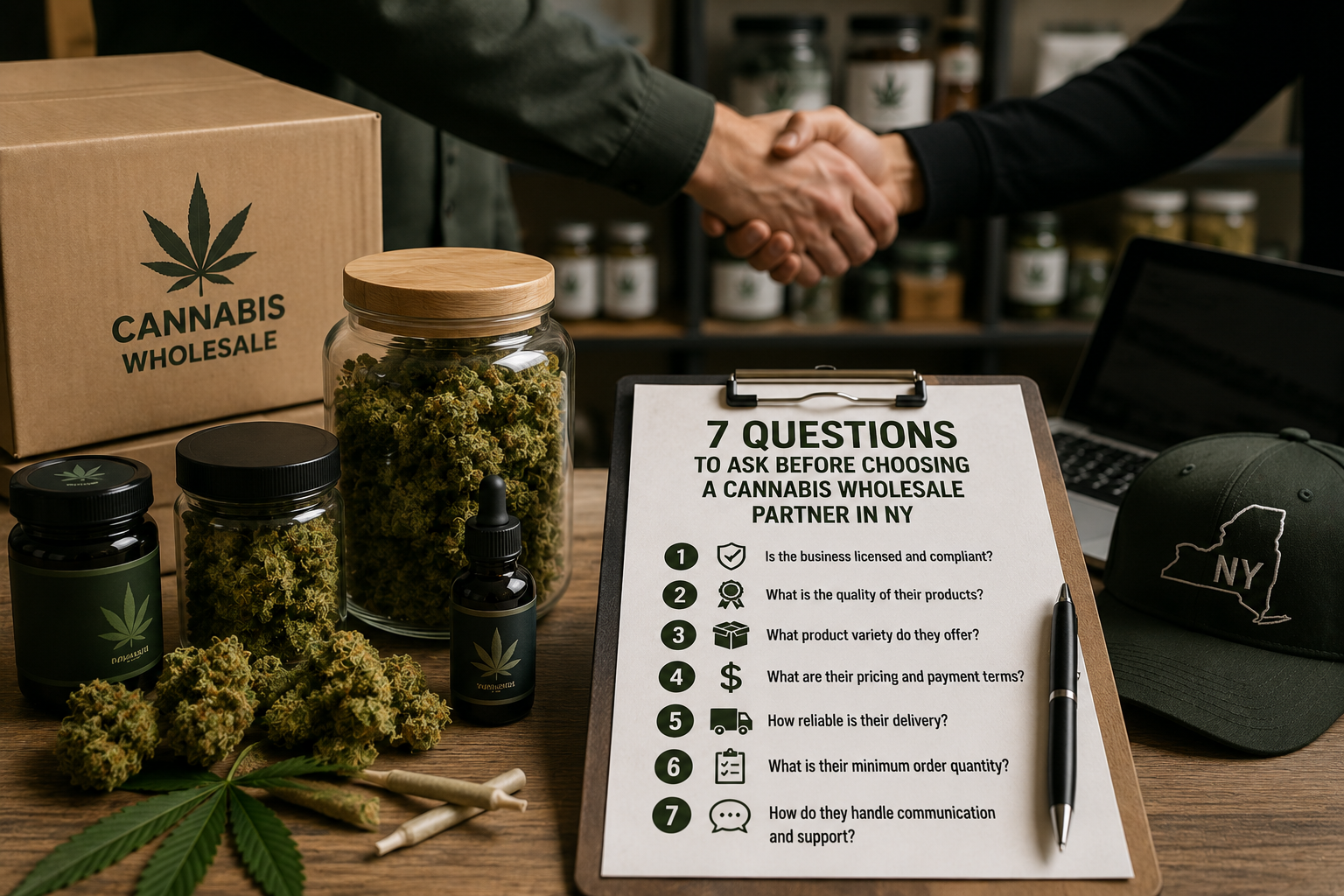
The same logic applies to getting products to stores. A dependable cannabis distributor in New York keeps your brand on shelves consistently, which matters more to retail buyers than almost anything else. Capital Region Co. operates this way for its own brands, Revert and Golden Garden, handling everything from mixed-light cultivation to packaging and delivery under one licensed roof, a structure that lets each brand focus on its identity instead of its logistics.
How Does a New York Cannabis Brand Earn Real Community Trust?
Trust doesn't come from a marketing campaign; it comes from consistent behavior over time. Retailers, regulators, and customers all watch how a brand treats them when something goes wrong, not just when things are going well.
Some behaviors generally differentiate reliable brands from forgettable ones:
- Solve problems created by the retail partners instead of accumulating them.
- Give back to the community by donating to local organizations and hiring locally, especially those who were previously affected by the marijuana ban.
- Have fair prices and refrain from promotions that may affect your relationship with the retail partners.
- Provide truthful information about the product instead of marketing babble.
What Trends Will Define Cannabis Business in New York in 2026?
New York's licensed store count keeps climbing, which means competition for shelf space is tighter than it was even a year ago. Brands that treat 2026 like a repeat of 2023's early-market conditions will likely fall behind, since buyers now expect polish and consistency from the start.
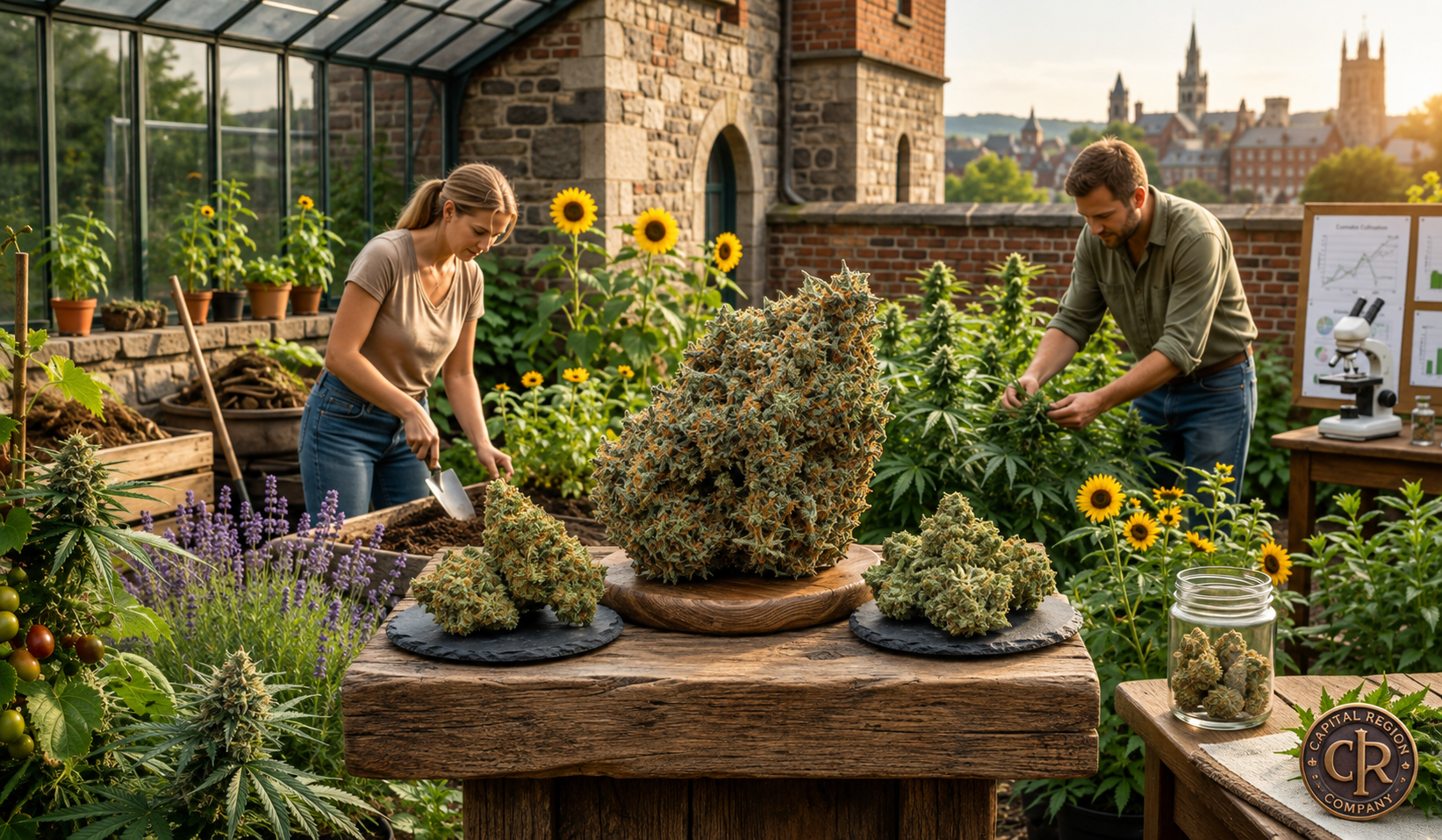
Sustainability, minority ownership, and small-batch craft positioning are also gaining real traction with New York consumers. A New York cannabis brand that can tell an authentic story around how and where its products are grown tends to outperform generic competitors, even at a similar price point.
Your Next Move in New York's Cannabis Market
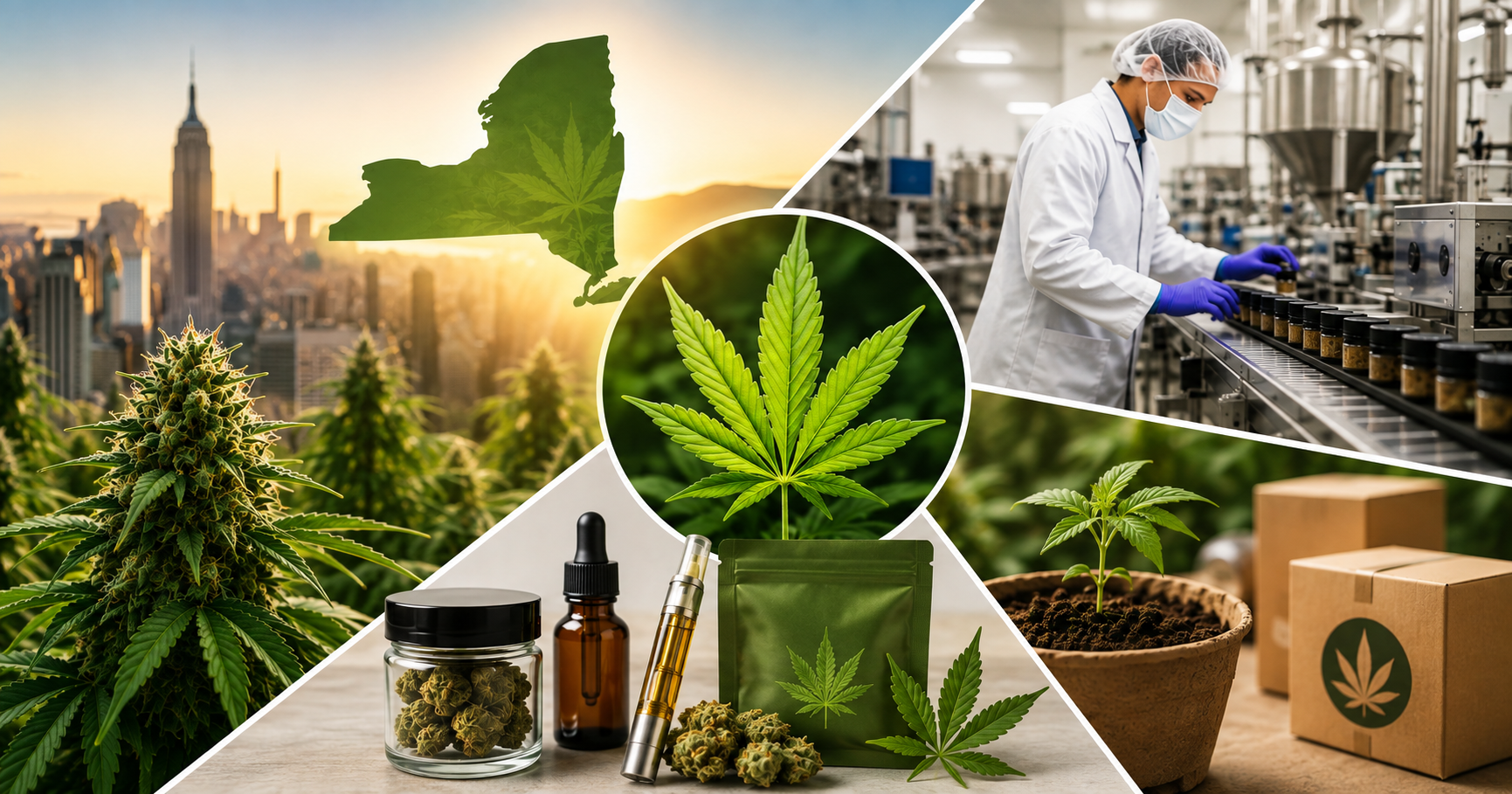
Building a lasting brand in this state takes more patience than most founders expect, but the path is clear: solid product development, tight compliance, and partners who already know the terrain. This is exactly the gap Capital Region Co. fills for New York cannabis entrepreneurs, licensed operator handling cultivation, manufacturing, packaging, and distribution so brand founders can focus on what makes their product stand out. Our own brands, Revert and Golden Garden, show how far that support can take a product line, from small-batch cultivation to retail shelves across the state.
Whether you're still mapping out your first product line or ready to launch a cannabis brand in New York this year, having the right infrastructure behind you makes all the difference. Reach out to us to talk through what a partnership could look like for your brand.
FAQs:
How long does it typically take to launch a cannabis brand in New York after getting licensed?
Most founders underestimate this timeline. Between securing a facility, passing inspections, and completing your first compliant production run, expect anywhere from four to nine months before products reach retail shelves.
Can a new brand work with an established cultivator instead of growing its own product?
Yes, and it's often the smarter route for newer companies. Partnering with a licensed cultivator or processor lets a brand launch faster and avoid the high upfront costs of building cultivation infrastructure from scratch.
What's the biggest mistake new cannabis brands make when entering the New York market?
Many launch with a finished logo and marketing plan before their product formulation is fully tested. Skipping proper product development leads to inconsistent batches, which damages retailer trust faster than almost any other issue.
Does packaging really affect whether retailers pick up a cannabis brand?
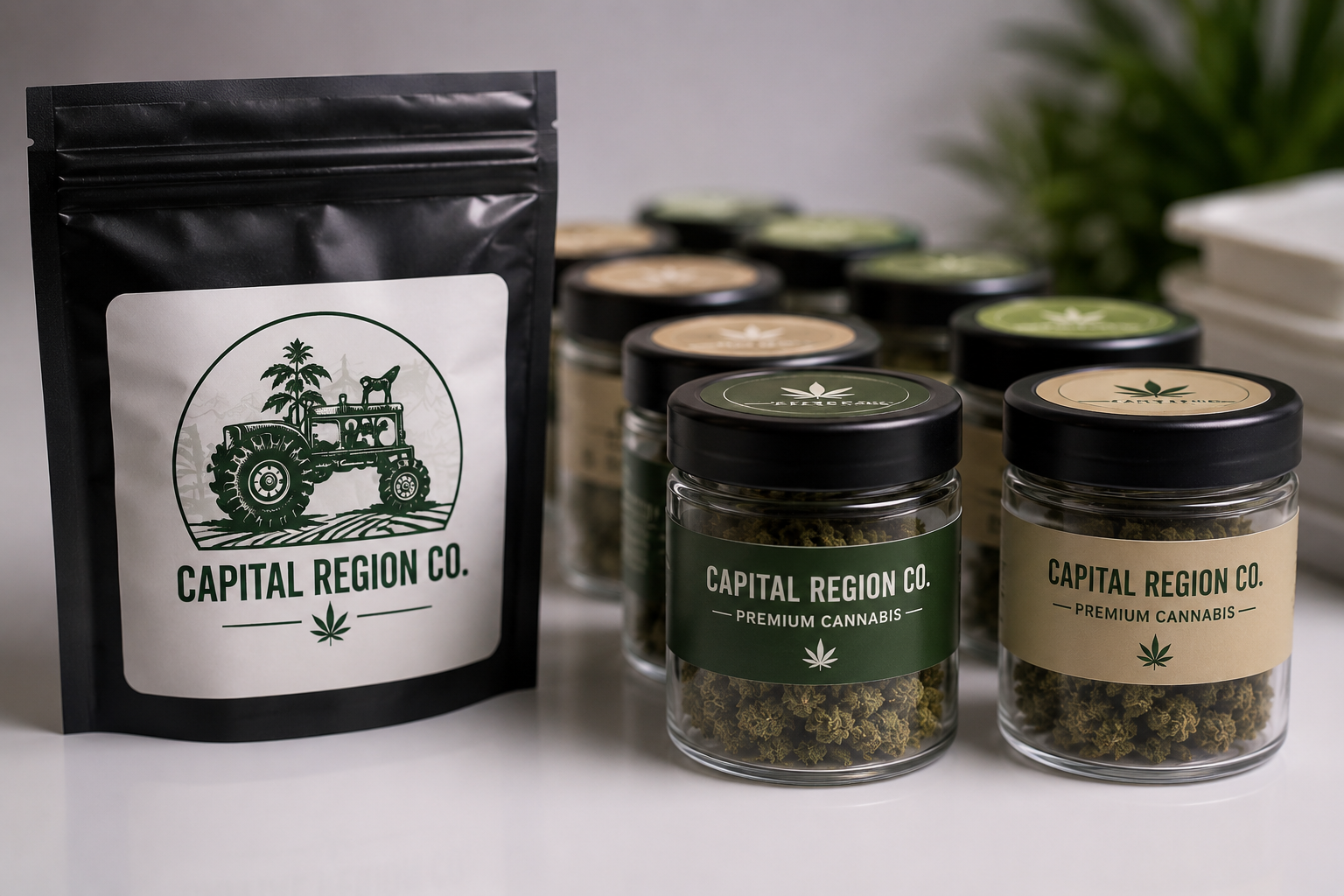
It matters more than most founders realize. New York's packaging regulations are strict, and retailers favor brands whose packaging is compliant, shelf-stable, and visually distinct, since it reduces their own compliance risk and helps products sell.
How important is a distribution partner compared to having a great product?
Both matter, but a great product with no reliable path to retail shelves rarely survives. A dependable distribution partner ensures consistent restocking, which retailers value as much as product quality when deciding which brands stay on their shelves.










.jpeg)

.png)
.png)

.png)

.png)
.png)
.png)
.png)
.png)


