Wholesale prices are set by brands when they add up their manufacturing costs, taxes, and the targeted profit. They then put that price up against what the customers will be willing to pay. Understanding and determining the correct cannabis wholesale pricing in the NY market prevents brands from underpricing and losing shelf space.
Capital Region Co. knows this balance from daily experience. As a licensed New York operator, we build a trusted cannabis network from cultivation to distribution. Our brands, Revert and Golden Garden, show how quality and fair pricing can coexist. Read on to see how the numbers work, and then you can price your own products with confidence.
What Actually Shapes the Price a Brand Charges Retailers?
Every brand starts with its cost to grow, process, package, and ship the product. From there, owners compare the cannabis wholesale vs. retail price to see how much room the shelf price leaves. Retailers need their own margin to cover rent, staff, taxes, and compliance costs. If a brand charges too much, the store simply orders from another producer. If it charges too little, the brand gives away profit it needs to fund the next harvest.
Market conditions also pull the number up or down in ways that surprise new founders. New York has added licensed growers quickly, and that extra supply often softens prices for common flower. A smart pricing strategy accounts for those shifts instead of copying a competitor’s price list. Premium small-batch products can hold higher prices because buyers see clear differences in quality. Value-focused lines usually win through volume, so their prices depend on steady, predictable orders.
The Cost Layers Built Into Every Wholesale Price
Brands that sell wholesale cannabis in New York carry several costs before a single unit leaves the building. Some expenses show up on invoices, while others hide inside labor, energy, and waste. Owners who track each layer carefully can explain their price when a buyer pushes back. That clarity also helps them decide where a small cost cut would not hurt quality. The layers below show where most of the money goes before profit enters the picture.
- Costs associated with growing the marijuana include labor, electricity, fertilizer, and maintenance of the facility.
- Processing, testing, and packaging, including childproof packaging.
- Licensing, tracking, and testing of lab results costs.
- Costs of taxes paid to the state and locality through the process of supply chain management.
- Shipping and insurance costs, along with salesperson costs.
How Much Does a Brand Actually Keep After Everyone Takes a Cut?
The cannabis margins brands earn vary widely by product type, scale, and operating efficiency. Pre-rolls, vape cartridges, and edibles carry different production costs, so their margins rarely match flower margins. A brand that makes everything in-house can capture more profit than one that pays several vendors. Even so, high volume at a thin margin sometimes beats low volume at a fat one. Owners should model both scenarios before they commit to a price in writing.
Retail markup also shapes how buyers react when they open your price sheet for the first time. The cannabis wholesale vs retail price gap has to leave a store enough profit to stock your product again. Dispensary buyers often pass on a product when the markup looks too thin to justify shelf space. Brands that explain their numbers openly tend to earn more trust than those that simply send a price list. Good buyers remember honest conversations, and they often reorder long after the first purchase.
Smart Moves That Protect Your Profit Over Time
A sound pricing strategy is never a one-time decision that you make at launch and forget. Brands should review costs and competitor prices every quarter, because both change faster than most founders expect. Small adjustments made early are easier on buyers than sudden jumps after months of silence. Clarity in tiers is another way for consumers to know what they will get from every order level. Such practices will ensure that the brand remains stable in case of change in the market environment.
- Provide discounts for bulk buying without reducing your basic prices.
- Monitor the cost per unit for each product line on a quarterly basis.
- Provide a minimum price so that discounting does not affect your profitability.
- Pair slow-selling products with fast-selling products.
- Inform consumers of any changes in prices and the reason for such changes.
Why Do Retail Relationships Change the Final Numbers?
Strong cannabis brand partnerships in NY often lead to better terms for everyone involved. A retailer who trusts a brand will commit to larger, more regular orders. That predictability lets the brand plan production and lower its cost per unit over time. Dispensaries also share sell-through data that shows which products deserve a higher price. Brands that treat buyers as long-term partners usually avoid the constant discounting that hurts profit.
Shared planning protects the cannabis margins brands worked hard to build during their first year. Joint promotions, in-store education, and staff training can justify a stronger price without extra discounts. Retail teams that understand a product’s story sell it with more confidence at the counter. Brands should also ask each buyer about payment timing, since late payments quietly erode profit. A fair deal on those terms matters as much as the number on the invoice.
Pricing Mistakes That Quietly Drain Brand Profit
Most brands that struggle with cannabis wholesale pricing in NY repeat the same handful of errors. Some copy a competitor’s price without checking whether their own costs match. Others forget to include waste, returns, and failed test batches in their cost per unit. A few chase large orders at prices so low that growth actually shrinks their profit. Watch for the common mistakes below before you finalize your next price sheet.
- Setting prices from competitor lists instead of real production costs
- Ignoring waste, shrink, and failed test batches in unit costs
- Giving heavy discounts that retailers later expect on every order
- Skipping regular price reviews while input costs keep moving
Pricing With Confidence From Seed to Shelf
Strong wholesale pricing comes down to knowing your costs, respecting your buyers, and reviewing the numbers often. Brands that follow this approach protect their profit while keeping products affordable on the shelf. Capital Region Co. shows how this works through Revert, a sun-grown brand built on ethical farming and an accessible price point. Our second brand, Golden Garden, focuses on artisan, small-batch, mixed-light cultivation for connoisseurs. Together, these brands reflect a licensed New York operation that values quality, community, and trust.
Whether you’re launching a first product or refining an existing line, steady numbers give your brand room to grow. Build your price from real costs, test it against the market, and adjust it as conditions change. Capital Region Co. supports brands through cultivation, manufacturing, packaging, and distribution across New York. Partners who share your goals can make that process easier and far less lonely.
If you’re ready to grow with a licensed New York partner, visit us and reach out through the Partner With Us page today.
FAQs:
How should a new brand set its first wholesale price?
Start with your full cost per unit, including waste and failed test batches. Add the profit you need to reinvest, then compare the total with similar products on local shelves. Adjust after your first few buyer conversations show how the market reacts.
What retail markup do dispensaries usually expect?
Markups vary by store, product type, and location, so no single number fits every deal. Buyers generally want enough room to cover overhead and still price competitively. Ask each retailer directly, since that conversation also builds trust.
When should a brand raise its prices?
Raise prices when your costs climb or when demand outpaces your supply. Give buyers advance notice and a clear reason, which keeps relationships intact. Small, planned increases land better than a sudden jump after a long stretch of flat prices.
How do volume discounts affect brand profit?
However, volume discounts will raise the bottom line only if they create consistent orders and help reduce your costs per unit. On the other hand, volume discounts are not good when used either too early or too much. Establish definite order levels and set a fixed price limit before offering any discount.
How is the effect of packaging included in the pricing process?
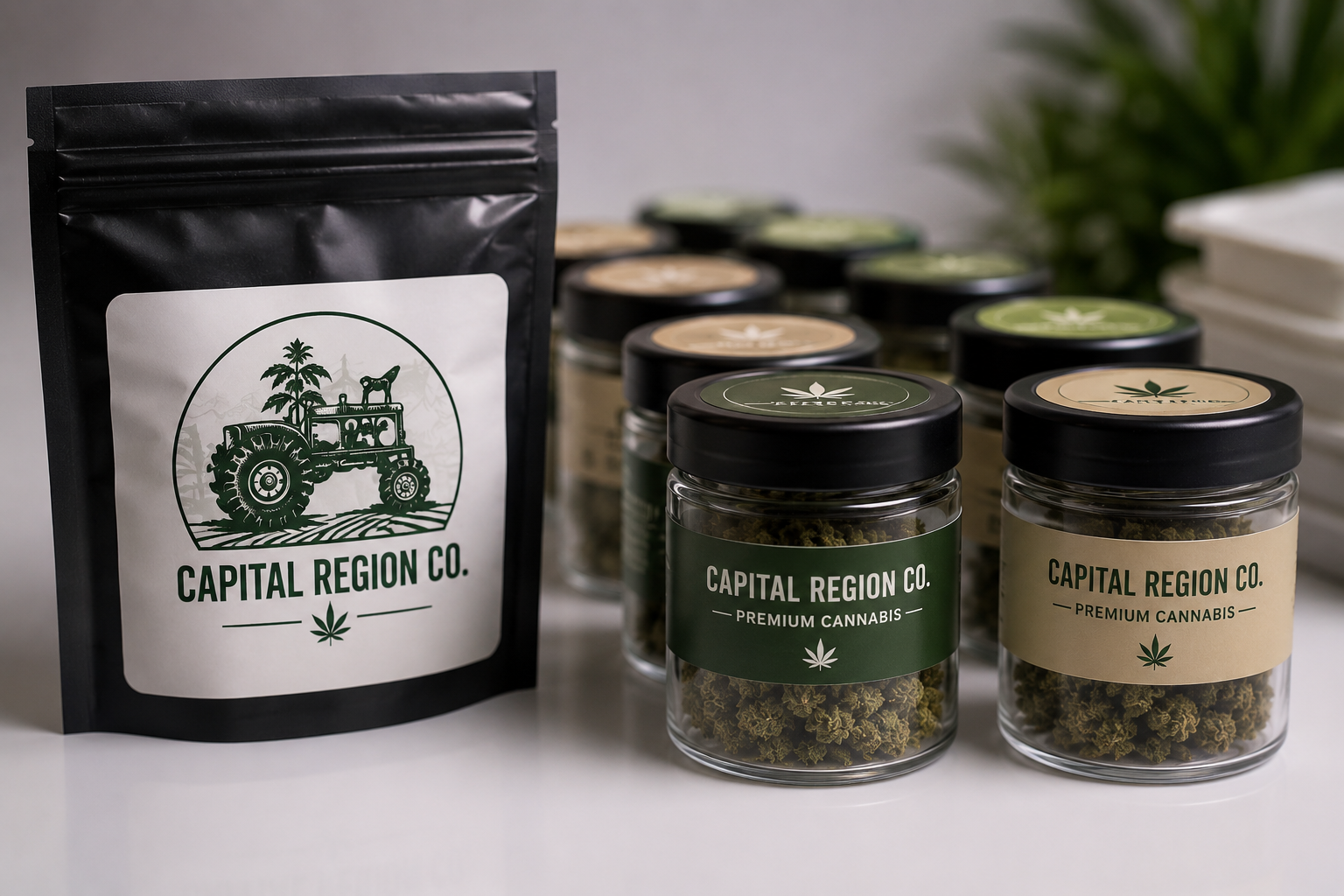
Packaging will add some extra cost due to child-proofing, labeling, and other compliance issues. Additionally, packaging will influence buyers' perception of product value. Take packaging costs into account while calculating the unit cost.